The Truth Behind 3 Famous Warren Buffett Lessons

Get smarter on investing, business, and personal finance in 5 minutes.
Warren Buffett is the greatest investor of all time.
Many people have heard the stats that an investment in Berkshire Hathaway when he took over of just $1,000 would be worth over $30 million today.
That is a 20% annualized return that he was able to achieve over 60 years.
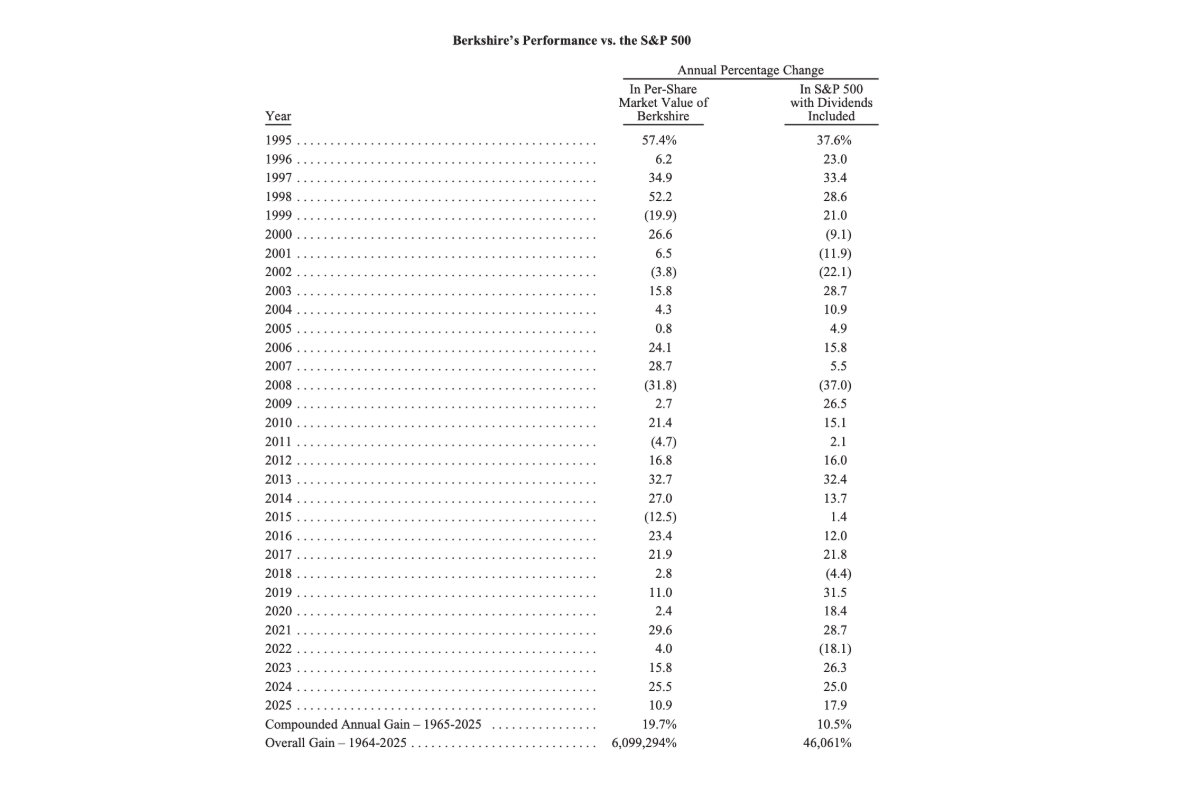
And even before Berkshire Hathaway, he had his own investment partnership that fewer people know about.
In that, he had a 30% annualized return over 13 years.
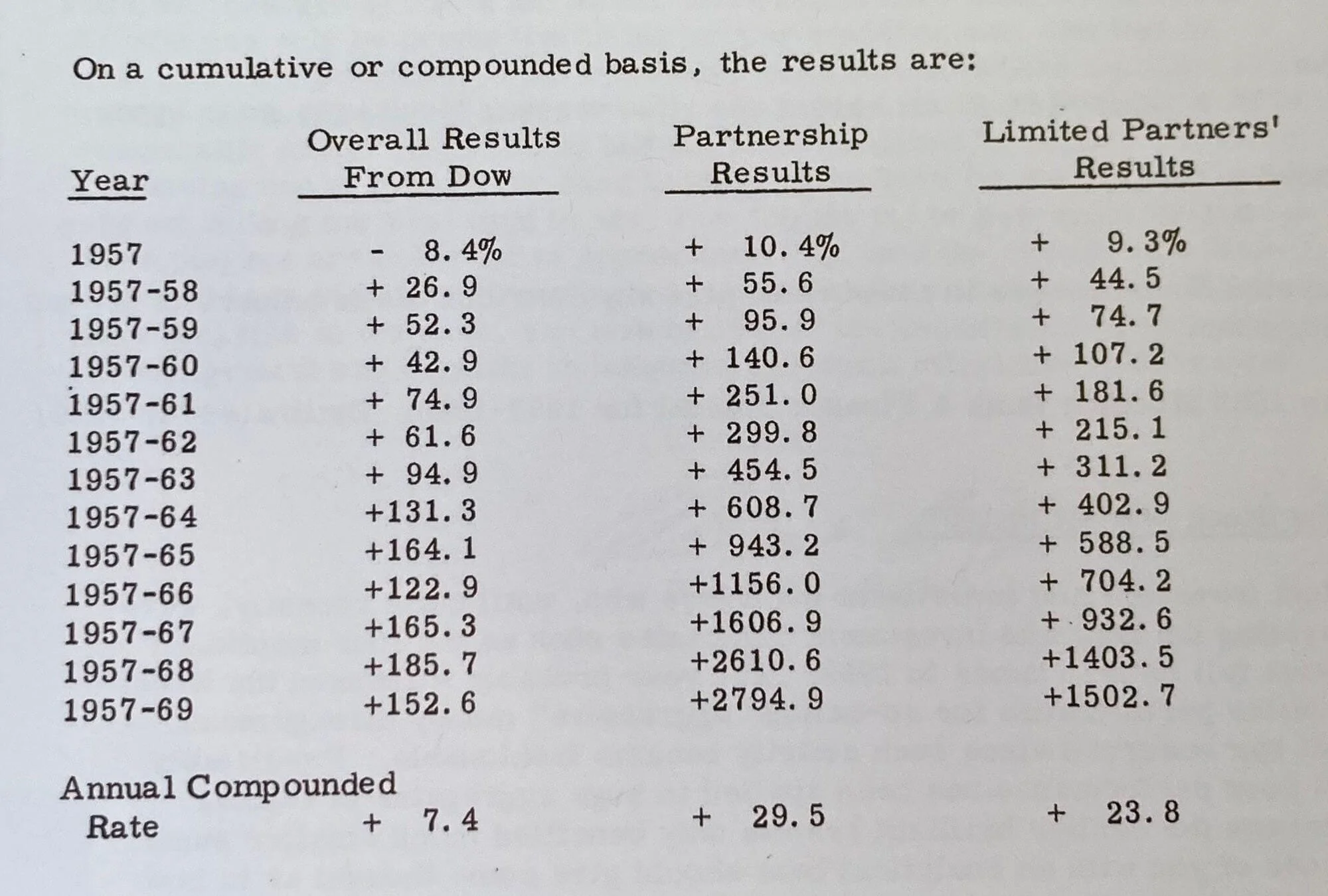
So his record is one of the best, and certainly over the longest period of time.
It makes sense that many people have tried to emulate him.
However, I have found that a lot of his teachings are very commonly misunderstood.
In this week’s Five Minute Money, we are going to talk about the 3 key lessons from Warren Buffett that are very commonly misapplied and misunderstood.
Lesson One: What Value Investing Actually Means.
This first lesson, or misunderstanding, if you will, is going to be what value investing is.
Maybe you think you know what value investing is, and it's very possible you do.
However, too often people compare value investing to growth investing, with this idea that somehow growth is not a part of value investing.
That is not true at all.
In fact, Buffett himself would say that growth is inextricably linked at the hip to value.
All of his investments he's ever made have an element of growth, and if you take that away, his record would be pretty poor.
Now, some of this misunderstanding comes back to where value investing was first coined by Benjamin Graham, his mentor.
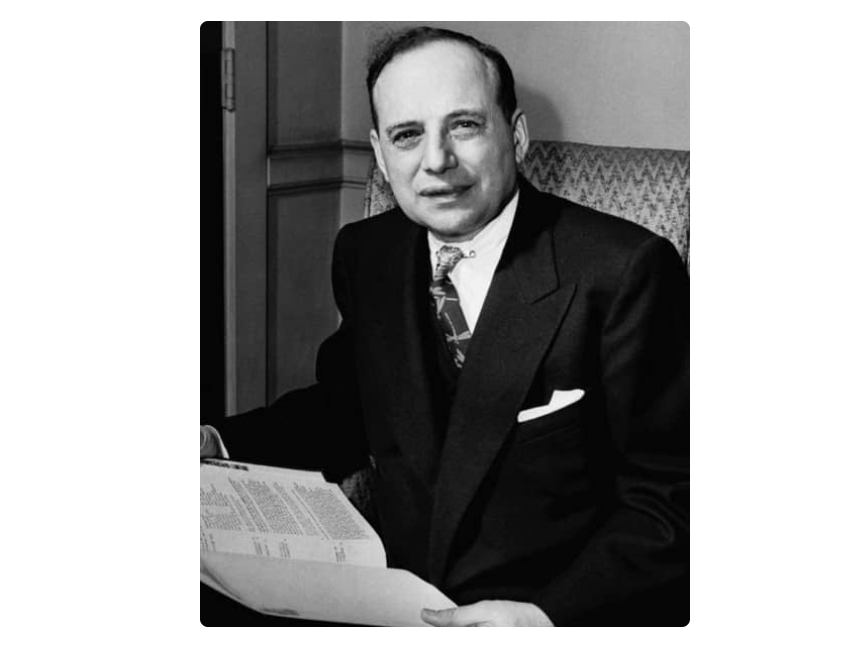
The way Benjamin Graham would invest is very often focused on the balance sheet.
He did not give much credit to a company's ability to reinvest back into the business and continue to grow cash flows, he wasn't really valuing future cash flows very often, instead he was valuing assets.
And in valuing assets, you're not really valuing growth.
But the way Warren Buffett invested, very often counted growth as a very important part and source of value in the companies he picked.
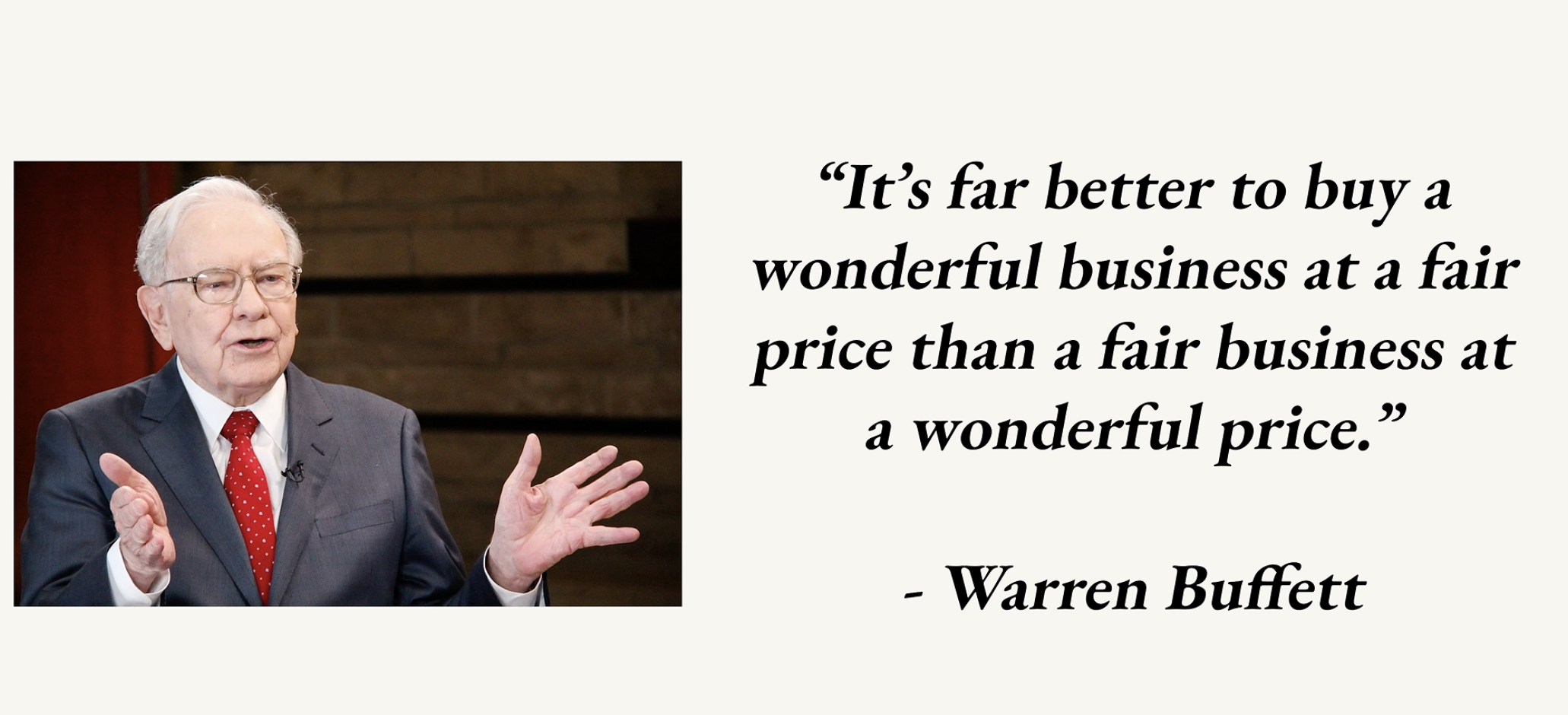
This is very explicit in 1972 when he invested in See's Candy, and thereafter, he started saying, I would rather own a great company at a good price instead of a good company at a great price.
We're going to pick this back up into the second lesson because it dovetails into there, but the important thing to understand right now is what value investing really is.
Said very simply, price is what you pay and value is what you get.
That's what Warren Buffett has always said.
The idea behind that is that there's a distinct difference between the price a stock will trade at and its underlying value.
The stock price can fluctuate wildly in value for all sorts of different reasons.
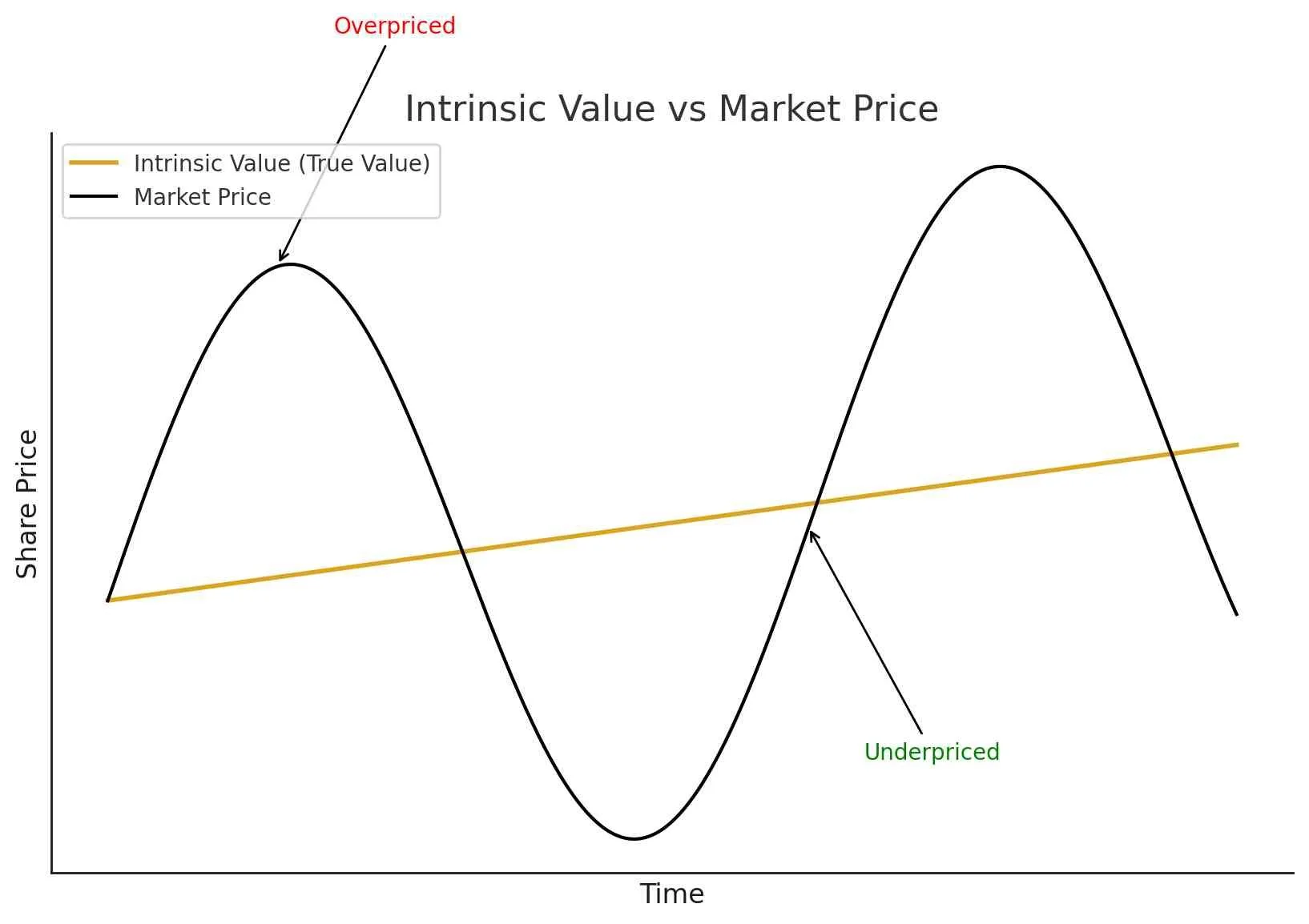
Literally every day, stock prices are going up and down, and very often this is at the whims of investors, it can be very emotionally driven, driven by fear and greed, but also by a lot of different people applying different strategies.
There could be momentum strategies, trading strategies, maybe a hedge fund blew up, and that's why a lot of stocks have sold off.
But that doesn't actually have anything to do with the underlying business.
So if you are a value investor, all that means is that instead of focusing on the stock price first, you focus on the business.
You don't make predictions about the stock price, you make predictions about the business, about what the business will be able to generate in terms of cash flows and how that will impact its actual intrinsic value.
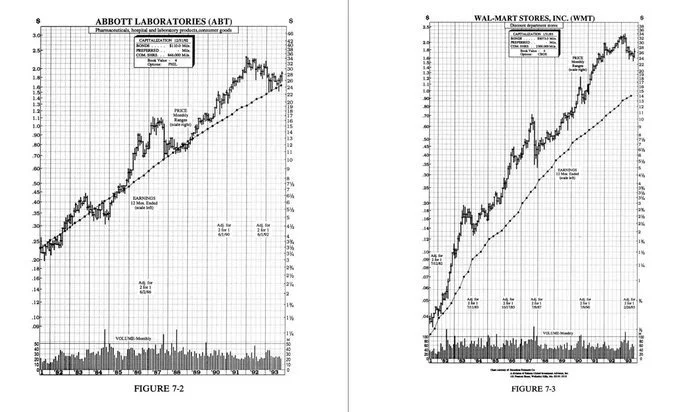
Over time, there's an assumption that the stock price is going to follow suit to the business's underlying intrinsic value.
However, you are not going out there and explicitly saying, I think that this stock price is going to go up because of XYZ reason.
Instead, what a value investor does is they analyze the business itself, we look at all of the factors of a business, how it could generate cash flows, how it could generate more cash flows in the future, how defensible those cash flows are. That's what a moat is.
All of those factors come together, and then when we apply a discounted cash flow model, or a multiple for short, we get an intrinsic valuation.
That is what a value investor is looking for, that is all it means when we say we are value investors, we're just analyzing the business.
I'm not buying a stock because I think other people are going to buy the stock and bid it up more.
I'm not going to wait until a stock goes up 30% in price, thinking that now it's going to hit a different part of this trend line and it's going to only go up from there.
That is a very different way to buy stocks, and that's not really what investing is, at least according to the value investing principles that Warren Buffett would espouse.
Now, it is true, though, that Warren Buffett often does avoid high growth investments, but that is not because they can't be value investments.
It is actually because of this second lesson that we are going to talk about now, which is margin of safety.
Lesson Two: Margin of Safety Isn't Just a Price Discount.
This is another thing that I see gets misapplied a lot.
Again, this comes back because a lot of times, when people learn about margin of safety, it's from Intelligent Investor, which was a book written by Benjamin Graham.
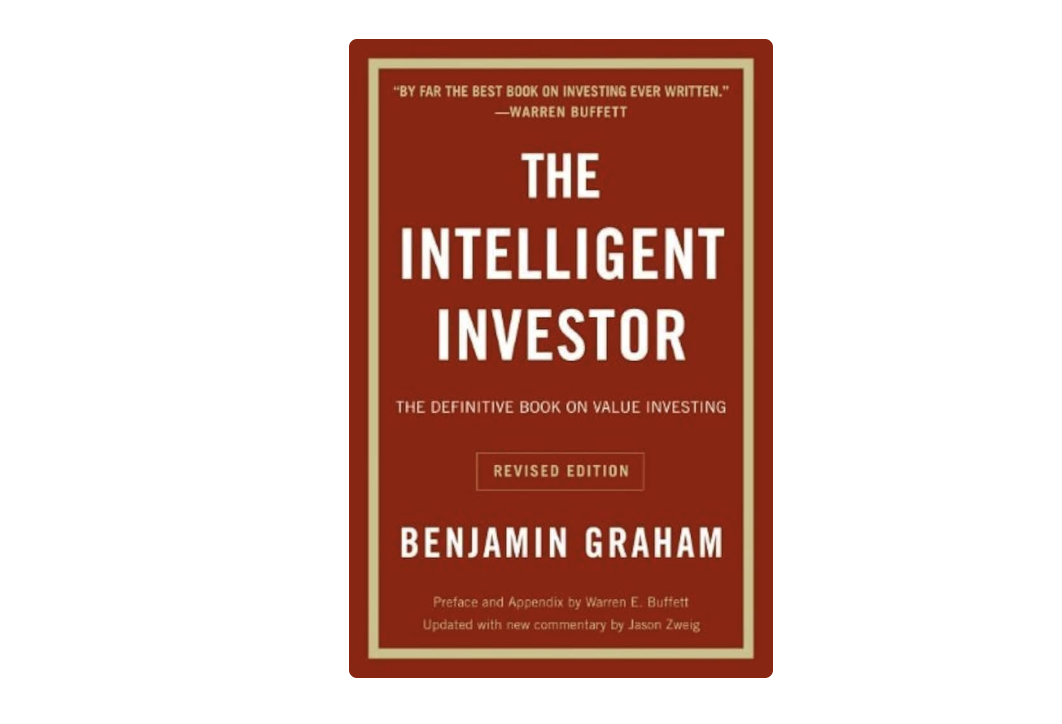
When he talks about margin of safety, very often he's looking at a balance sheet, he's looking at their assets, and he's applying a discount to the book value of the assets, usually 30%.
So a lot of investors took this to mean, I'm going to run a DCF on a company and then haircut that valuation 30%, and that is my margin of safety.
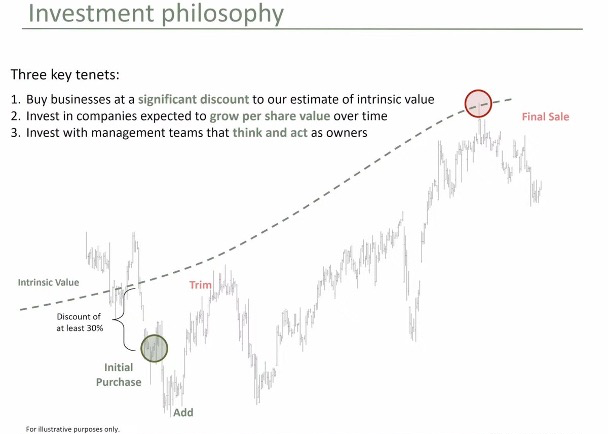
While there's technically nothing wrong with that, that is not what it seems Warren Buffett does, and that's not what I advise you to do, because when you are running a valuation on a business and then you just haircut it at the end, you don't actually know the assumptions you are making anymore.
Because when you create a discounted cash flow model, or even if you're doing just a multiple of a business, and then you're just haircutting it at the end, you are not aware of what the assumptions are that are implicit when you are doing so.
So if you do a 30% blanket haircut on a business, maybe you're really assuming a business that you thought would grow 10%, you're now assuming it would grow 5%, and that's maybe too conservative.
I've also seen investors do this where they both are conservative on the assumptions they use, and then they also haircut the valuation at the end.
This is also a mistake, in my opinion, because you're double layering in conservatism, which is fine, you're never going to get in trouble doing that, but you're also probably going to miss a lot of good opportunities.
So what a margin of safety really is, it's ultimately being conservative with your assumptions.
Warren Buffett likes the analogy of if a bridge is made to hold up to 10,000 pounds, you probably don't want to drive a truck over it that's 9,800 pounds.
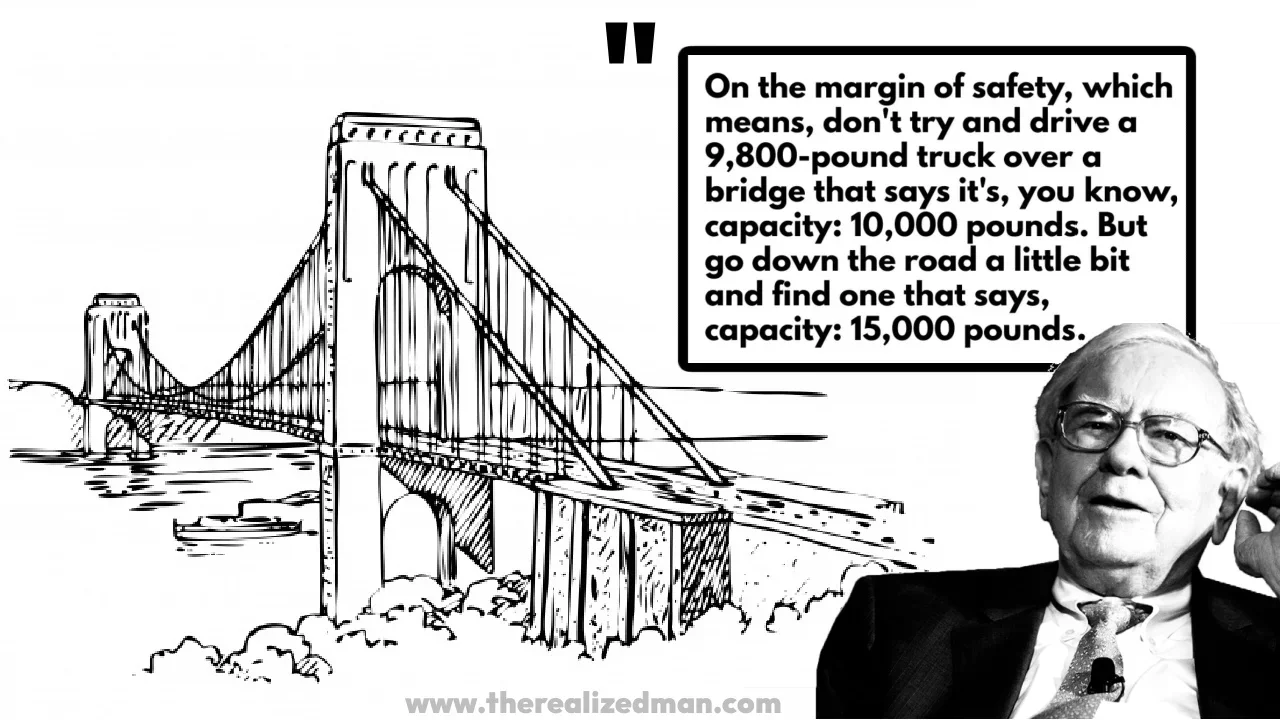
You want more of a margin of safety.
That is what this idea is in investing.
So when we apply it, what that can mean is if you think that a company's probably going to grow 10% a year, a conservative assumption would be, all right, I'm going to price it saying it's going to grow at least 7% a year.
And if it really does 10%, then that's great, that's going to be upside for me.
But if it does only 7%, I'm going to still be okay because I'm buying this investment under the assumption it's only going to grow 7%.
That's what my valuation is based off of.
And when I did a discounted cash flow model with a 10% discount rate, that's the return I'm getting, assuming those assumptions hold, and if it's better, then I'm going to do better than the 10% discount rate.
I mentioned the See's Candy example, where for those that are unfamiliar with the story, they bought See's Candy for $25 million back in 1972.
At the time, they said if they raised the price to even a million dollars, I wouldn't have bought it.
Warren Buffett said that would have been a big mistake because it would have been well worth that slight increase in price.
The lesson he took away from there is he said, I would rather own a great business at a good price rather than a good business at a great price.
What he is explicitly saying there is that instead of looking for the margin of safety in a price reduction, he's looking for the margin of safety in business quality.
What that means is a competitive moat and better predictability of earnings.
If you can have more confidence in a company's earnings growth going far out into the future, well, maybe now, instead of assuming that 7% growth rate, you're comfortable assuming the full 10% growth rate.
That is how he manages business quality into the valuation and into the margin of safety.
It's done on the side of a company being higher quality, which means that it has less likelihood its earnings are at threat because it has a moat, and also a higher likelihood earnings are going to continue to grow.
There's more visibility into it, he can have more confidence into it, and that is what you should understand a margin of safety to be.
If he has his 10% hurdle rate, he's going to lower the cash flows going out into the future to the point that he has higher confidence in it.
If it still meets his hurdle rate, then great, he'll own the stock.
Very often, it doesn't meet his hurdle rate once he lowers those assumptions that he's comfortable with, and so he passes.
So what this all basically means is that you want the things that need to happen to be more conservative than the things that can happen.
Because in any investment, there's a very wide distribution of outcomes, but when you're picking what you're actually valuing that business at, you basically want to lower what your assumptions are, and that is what you need to happen in order for it to work.
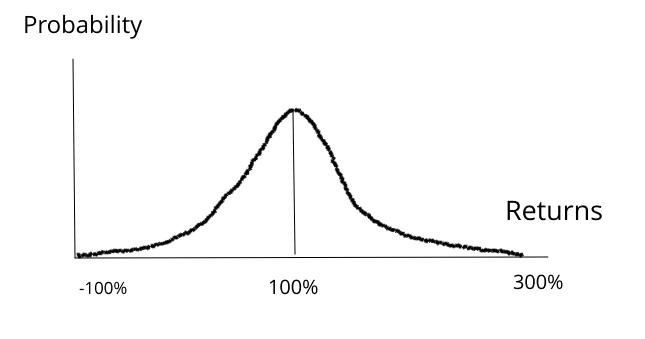
You want that to be a relatively smaller subset of all of the things that can happen, at least positively to the business.
Back to this growth example, if this business is growing 10%, some people are saying maybe it can accelerate to 15% or 20%.
A growth investor might go in there and say, I'm going to assume that it does that business acceleration and it's going to grow 20%.
Whereas Buffett would say, it's growing 10% right now, I'm going to do the opposite, I'm going to assume it's only growing 7%, that is going to be my margin of safety.
Now, very often, this is also tied to the reason why he is not seen as a growth investor.
It's not because he doesn't assume growth in his investments, instead, it's because he doesn't want these investments to be priced to perfection and not have any margin of safety in the assumptions.
If you're an investor that's always thinking about things that could go wrong and how to not lose money, he has his two rules of investing, the first rule is don't lose money, the second rule is don't forget the first rule.
So if that is your focus, on making sure you conserve your principal, you're not going to make these assumptions, you're not going to assume that a company's going to re-accelerate growth when you're not so confident whether or not that's going to happen.
Very often it's hard to know if a high growth company is going to stay high growth for a very long time, that's just because the statistics of a company growing very high rates for a long period of time are usually against that.
It is because of needing a margin of safety that he very often doesn't invest in high growth investments.
It's not because that's not a part of value investing, and it doesn't mean that if you do assume higher growth, you're not value investing.
Maybe you could say there's not quite as much a margin of safety, but maybe that growth investor pushes back and says, I have very high confidence in this, and I think they could maybe even grow faster than what other people think they can grow.
Either way, the key thing to take away here is that your margin of safety can be in the business quality, in the moat, in the earnings reliability, and can be accounted for by making lower, more conservative assumptions.
Lesson Three: The Circle of Competence.
The third key lesson from Warren Buffett, and again, there's some misunderstanding around this, is the circle of competence, and there’s two parts to this.
The first part of a circle of competence, I think most people understand.
The idea is that you should only invest in something you thoroughly understand.
If you don't really understand how a business makes its money, or maybe it's a more technical industry, and you don't really understand how the technology can change in the future, then you don't make that investment.
But that doesn't mean you don't learn about these new technologies or these new areas, you absolutely should continue to learn, and maybe you can build up your competence in a new sector and in a new area.
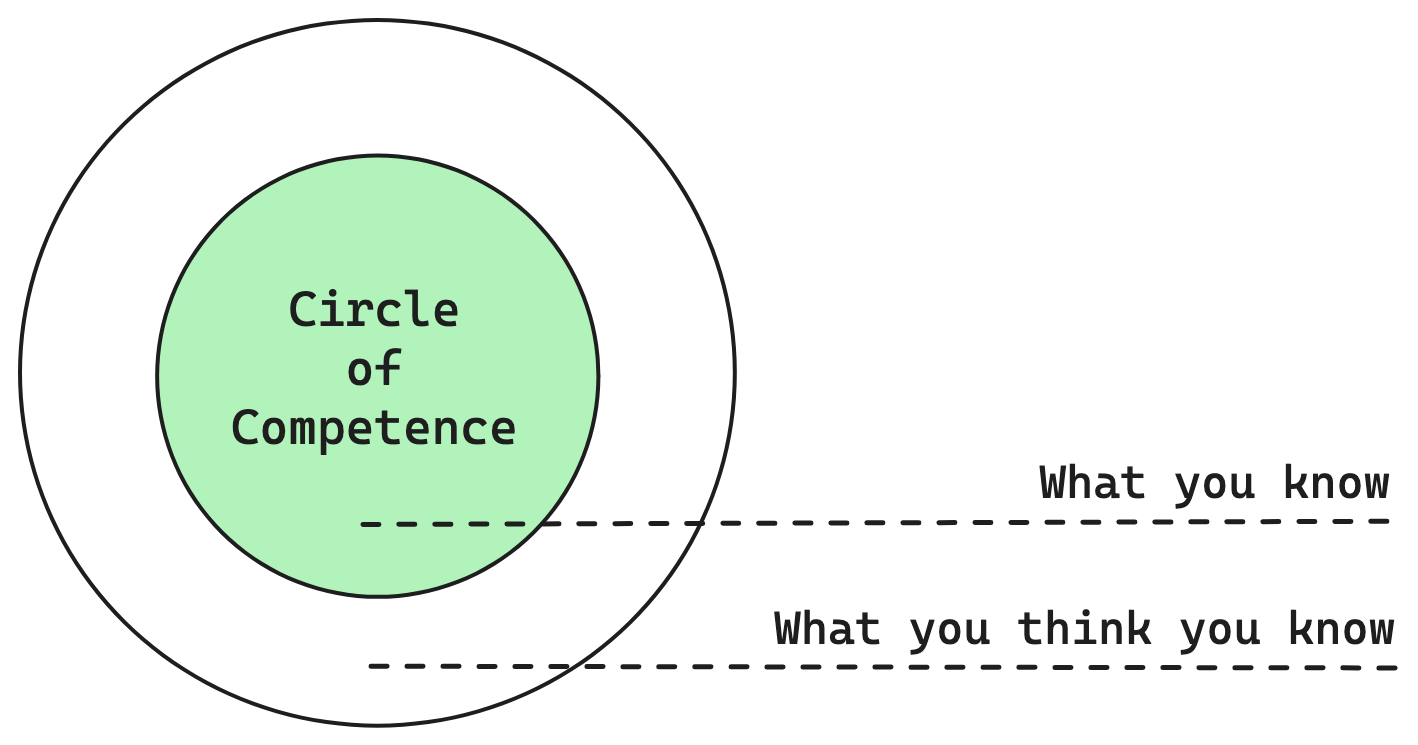
The second part, though, about the circle of competence, it actually ties back to our second rule, the margin of safety.
Which is that if you're in an area that you've never really studied that well, let's say for instance, we're looking at semiconductors, and maybe you can understand NVIDIA's dominance in the GPUs with the CUDA language, and you could be very bullish on that business.
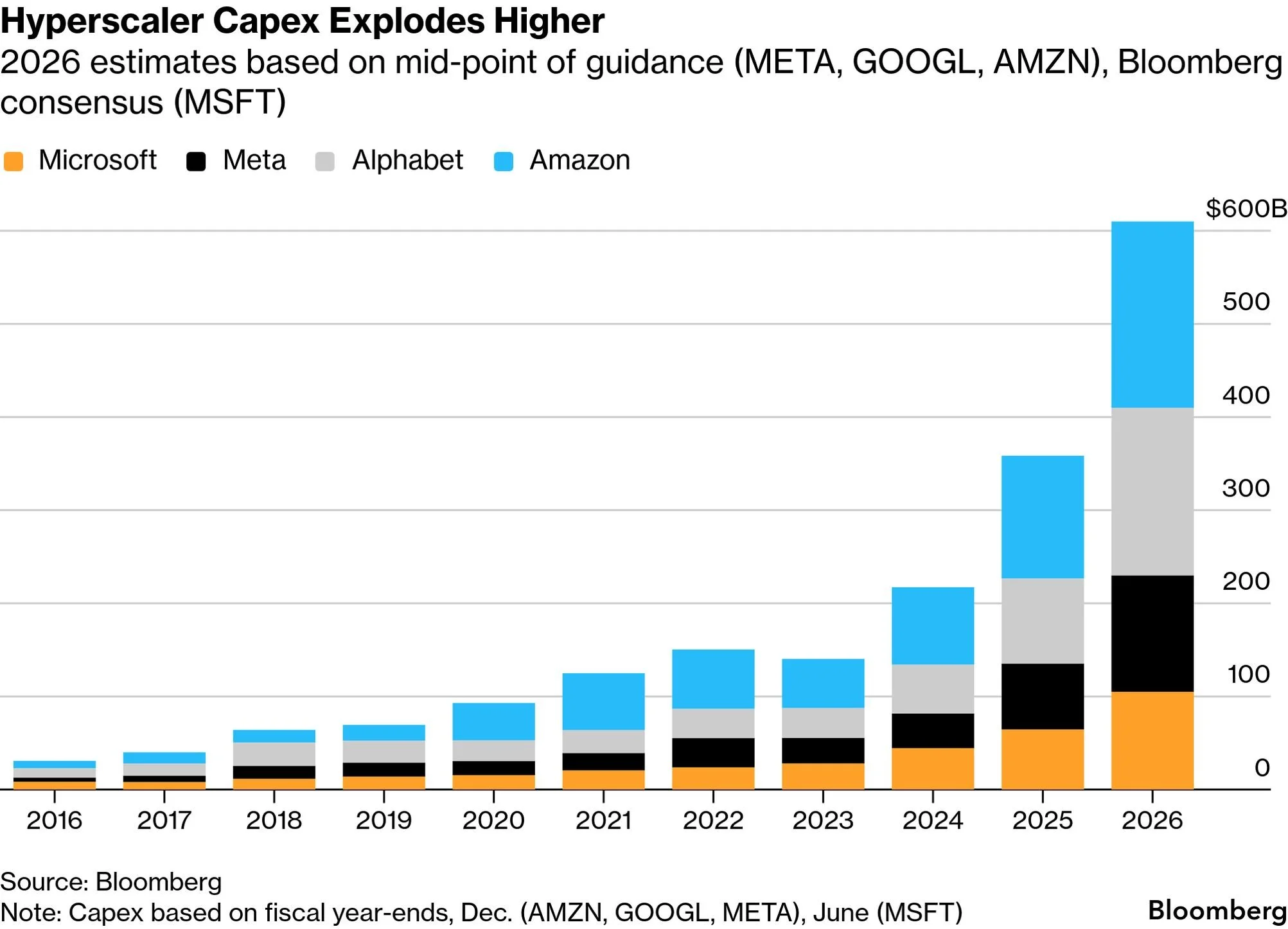
But you may not fully have within your circle of competence how much all of these hyperscalers are going to continue to spend on AI.
That is a tangential sort of area, where even if you kind of understand the business, you may not necessarily understand everything related to it within the industry.
All of that's going to be very important to understanding whether or not you invest in NVIDIA.
For example, Buffett for years never invested in Google, despite the fact that he noted that their Geico subsidiary spent a lot of money on Google search keywords, and it was one of their most successful ways to digitally advertise.
He saw the product, he saw it worked, and yet he never made an investment into it.
A slight asterisk because he did in the past couple months.
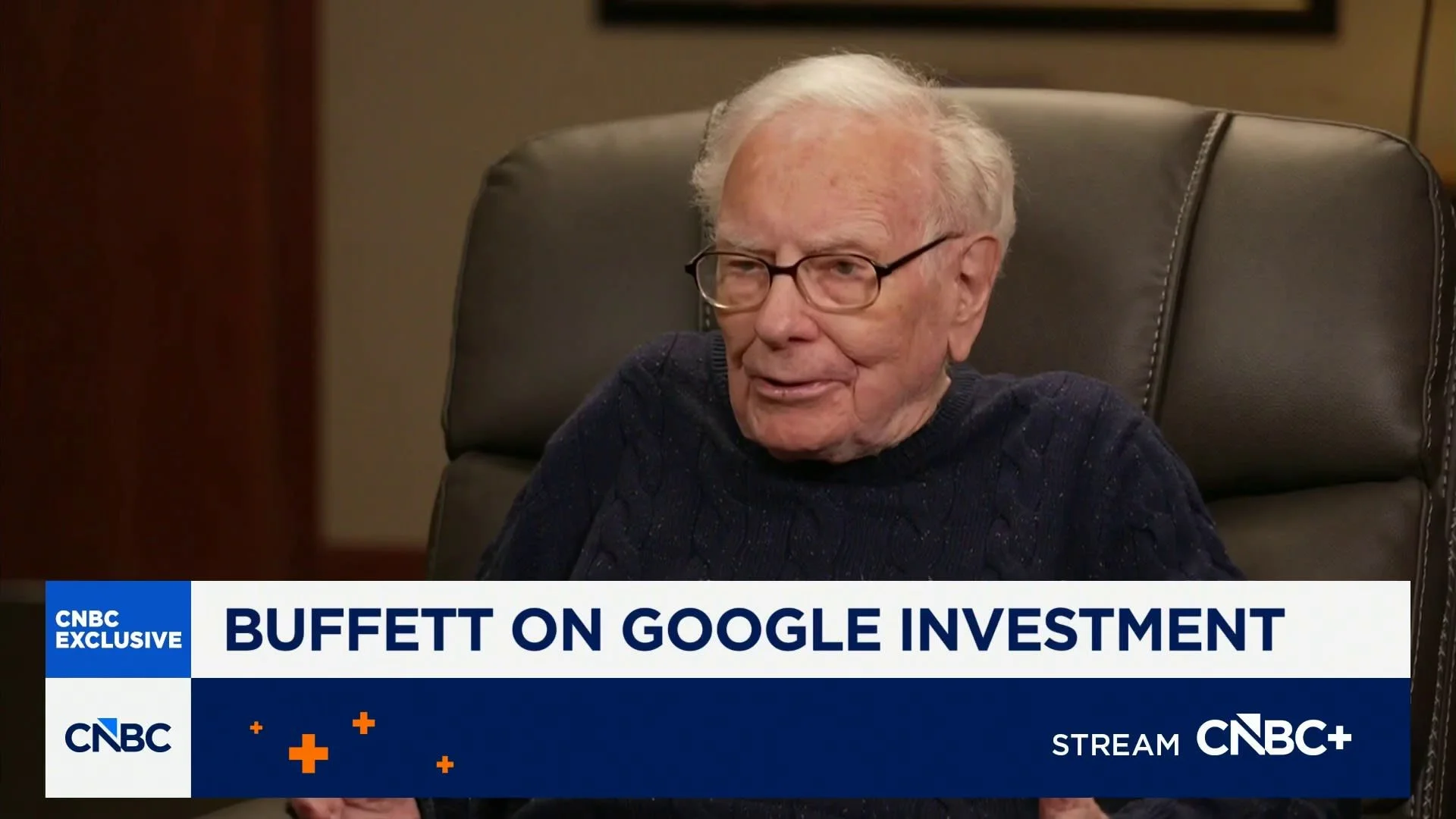
But him passing on that for years wasn't because he didn't understand how Google search worked, but because he didn't really feel like estimating out Google Search revenue growth far into the future was within his circle of competence.
Part of that correlates to disruption risk.
If you're not sure whether or not something's going to grow far into the future, very often that's because maybe something else is going to take its place, and he wasn't sure whether or not that would happen.
It doesn't mean you don't understand the business, it just means you may not be sure about all of the different things that can impact the business into the future.
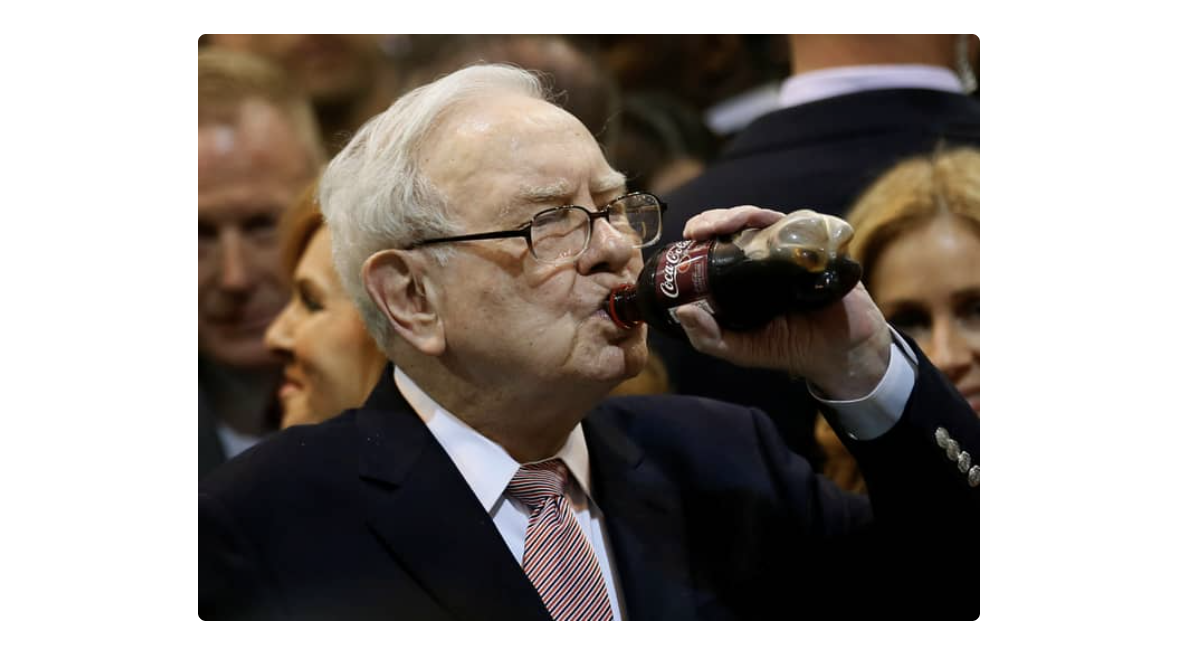
If we look at some of the investments he makes and loves, like Coca-Cola, there's really not a ton of things that can quickly happen that could really disrupt Coca-Cola.
You can't just say, oh, there's going to be another soda maker that's going to come out with a similar product, guess what, that's already out there, that already happened.

Okay, well, what if someone comes out with a cheaper product?
Okay, that already happened, that's already out there.
So in order to kind of kill Coca-Cola as an investment thesis, you have to really believe that consumer preferences are going to change over time, people are no longer going to want soda for a variety of different reasons, which is certainly possible.
But Buffett made the judgment call that that wasn't going to happen, at least not very quickly, and he felt like making that judgment was within his circle of competence.
Key Takeaways.
So these are the three key things I want you to take away from here.
First is understanding that all value investing really means is that you're analyzing the business, not the stock price, you're treating a stock as a part ownership in a business.
The second thing I want you to take away is that a margin of safety doesn't always mean you're just buying a stock cheaper, I think a better way to think about it is that you're lowering the assumptions, you're lowering what you need to happen in order for that investment to be successful.
And the third takeaway is stay within your circle of competence, that doesn't mean that you can't grow and learn different areas, but it means don't make predictions on areas you don't really know that well, you could understand the business, but be honest with yourself whether or not you are the right person to make a prediction on a certain business in the future.
So those are three key lessons from Warren Buffett that are commonly misunderstood.
For more on The Truth Behind 3 Famous Warren Buffett Lessons, check out the video below.
Nothing in this newsletter is investment advice nor should be construed as such. Contributors to the newsletter may own securities discussed. Furthermore, accounts contributors advise on may also have positions in companies discussed. Please see our full disclaimers here.
