Copart Stock Breakdown
Get smarter on investing, business, and personal finance in 5 minutes.
Stock Breakdown
This newsletter is adapted from a recent video Drew Cohen did on Copart.
If I had to pick just one business which exemplifies what a moat is, I would be hard-pressed to come up with a better example than Copart.
They have such strong moats and so many moats that I had to coin a new term, interlocking moats, because you can't attempt to build one moat until the other is already built out.
That is why the barriers to enter this industry are so incredibly high, and it is a duopoly, with only Copart and one other competitor operating in the industry.
Their founder, Willis Johnson, figured out how to turn literal junk into a 35% operating margin business.
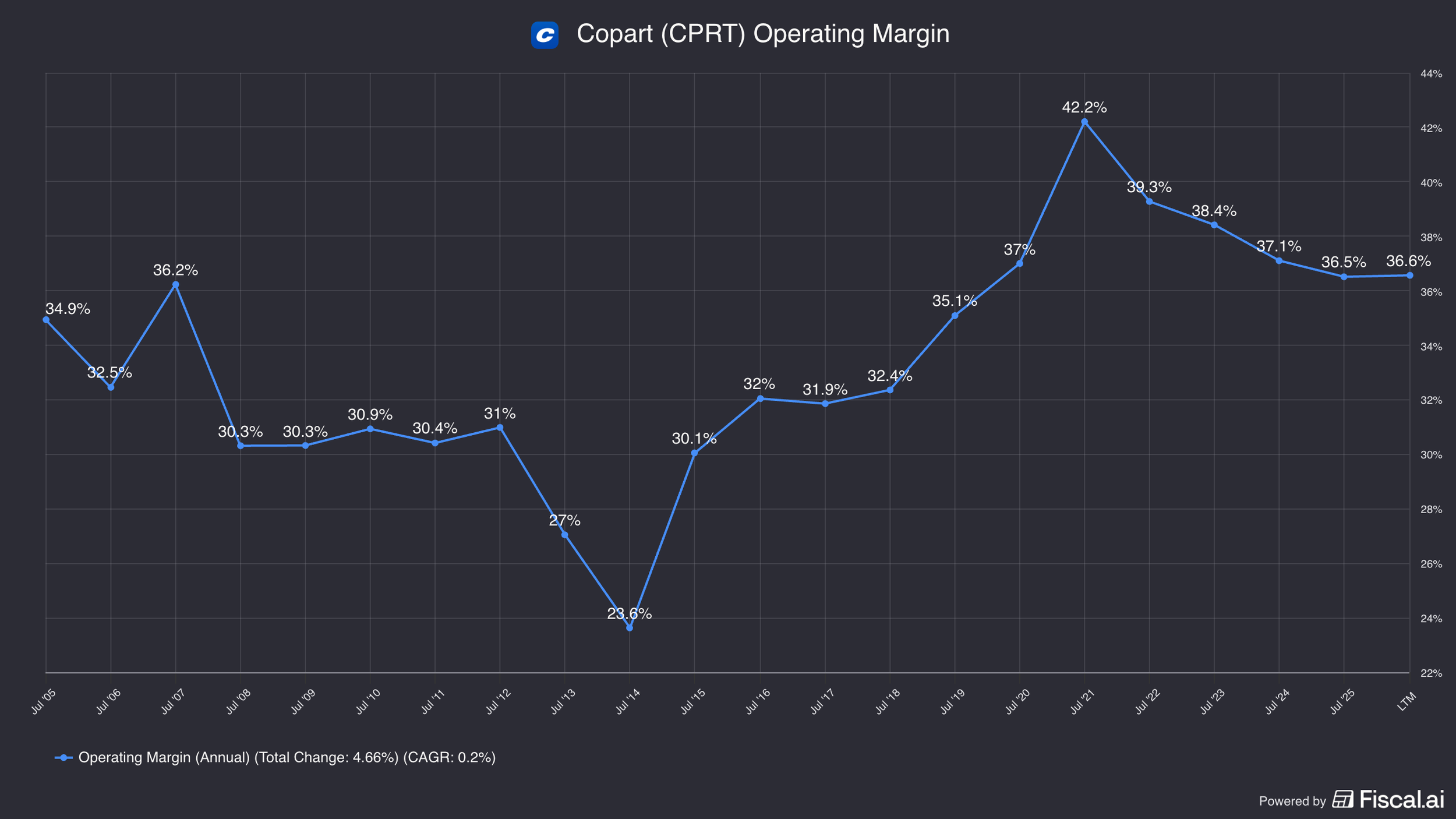
But despite those really strong competitive moats, shares are down -56% from their peak, trading at its lowest multiple in almost a decade, even though the stock has still returned a 17% CAGR since 1994 including that drawdown.
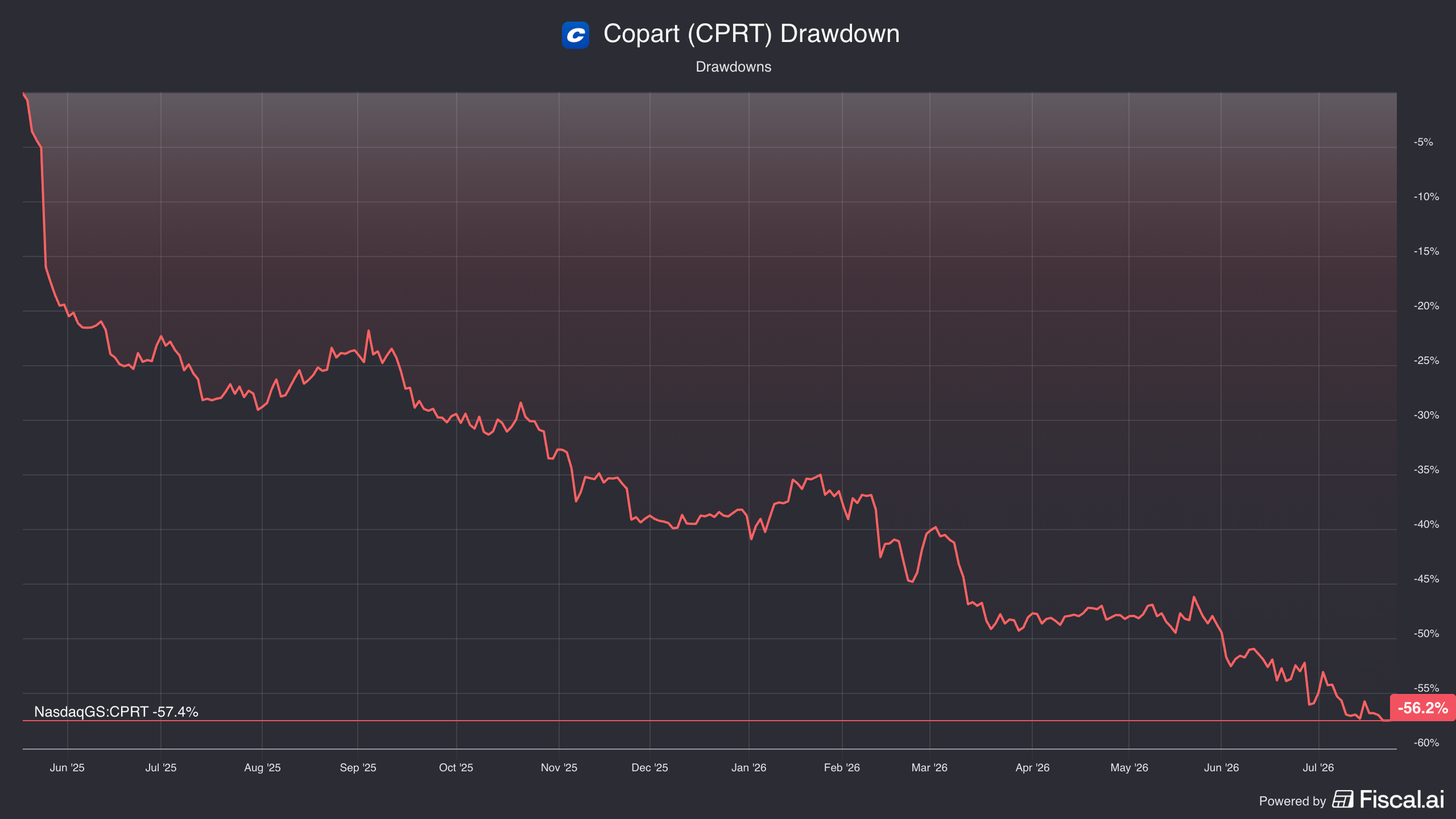
So the question investors are asking is: Is Copart a dying compounder? Or is this just a temporary headwind that clears up in a few quarters or years?
In this week’s Five Minute Money, we will cover all things Copart and address that question head-on.
Copart History.
Every time I research a business, I like to understand the history of how it started to where it is today.
Copart is an online marketplace that sells salvaged vehicles, though that's oversimplifying it a bit.
Willis Johnson is the founder, but before this business, he owned literal junkyards, buying vehicle scraps, taking them apart, and selling vehicle parts to people.

He always needed more supply, and eventually ran into BTS Auctions, which auctioned off salvaged vehicles, so he became a common buyer there.
At one point, BTS Auctions went up for sale, and he bought it.
That was the beginning of Copart.
If you're curious where the name comes from, he had a separate business where he created a magazine to market his car parts, with the idea of a co-op with local repair part sellers, and that's where the name Copart came from.
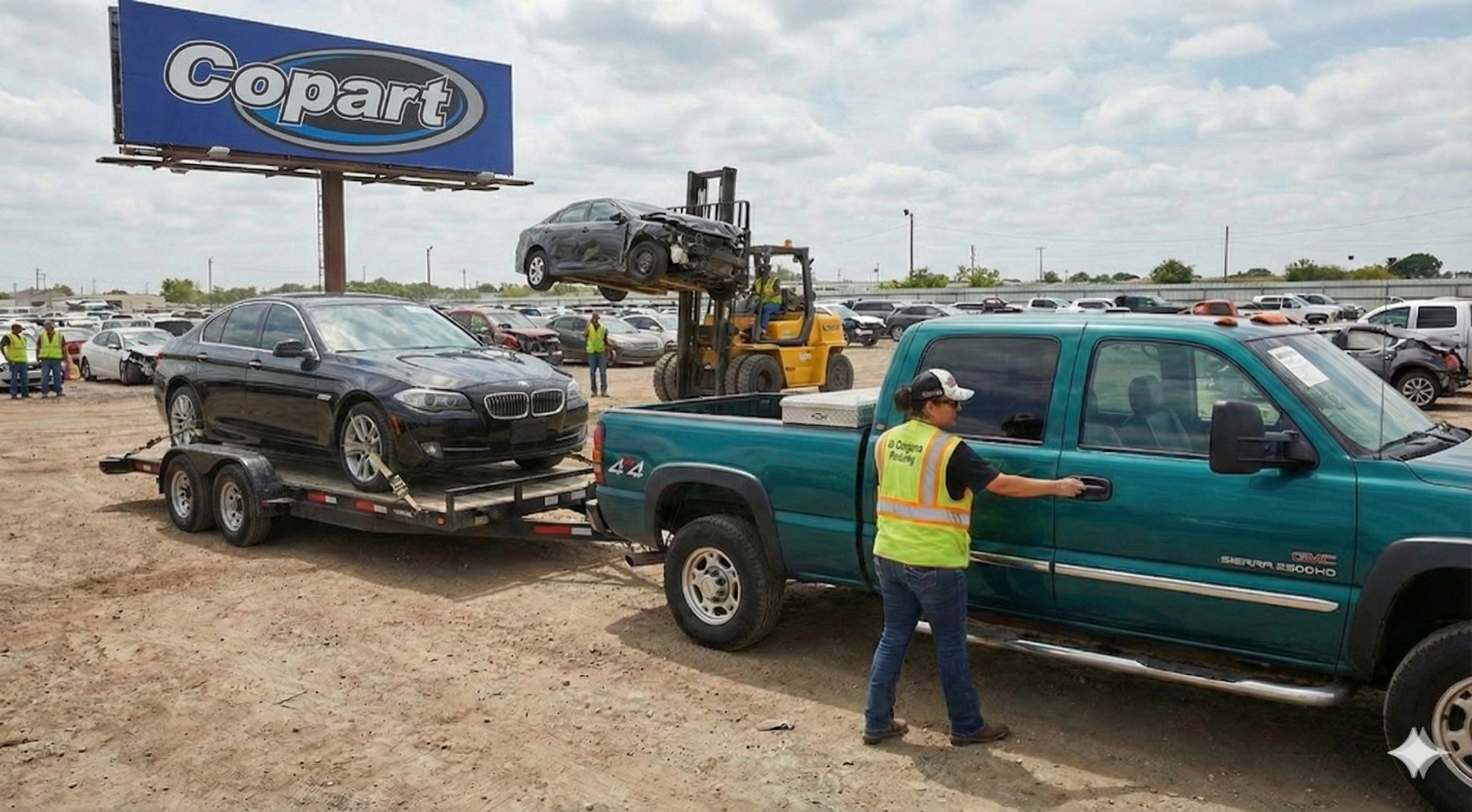
Copart originally was basically an auction house, going back over 40 years to the '80s: people would get in car accidents, the insurance company would need to sell the totaled vehicle, and they'd bring it to this auction house to be sold to people like Willis Johnson, who would chop it up for parts and resell it.
One key issue is that a vehicle needs to be towed really far unless you have land in more spots, so Willis Johnson noticed the advantage of owning a lot of these different yards, and they started rolling these up and acquiring them, putting everyone on the Copart system, which is how they continued to grow.
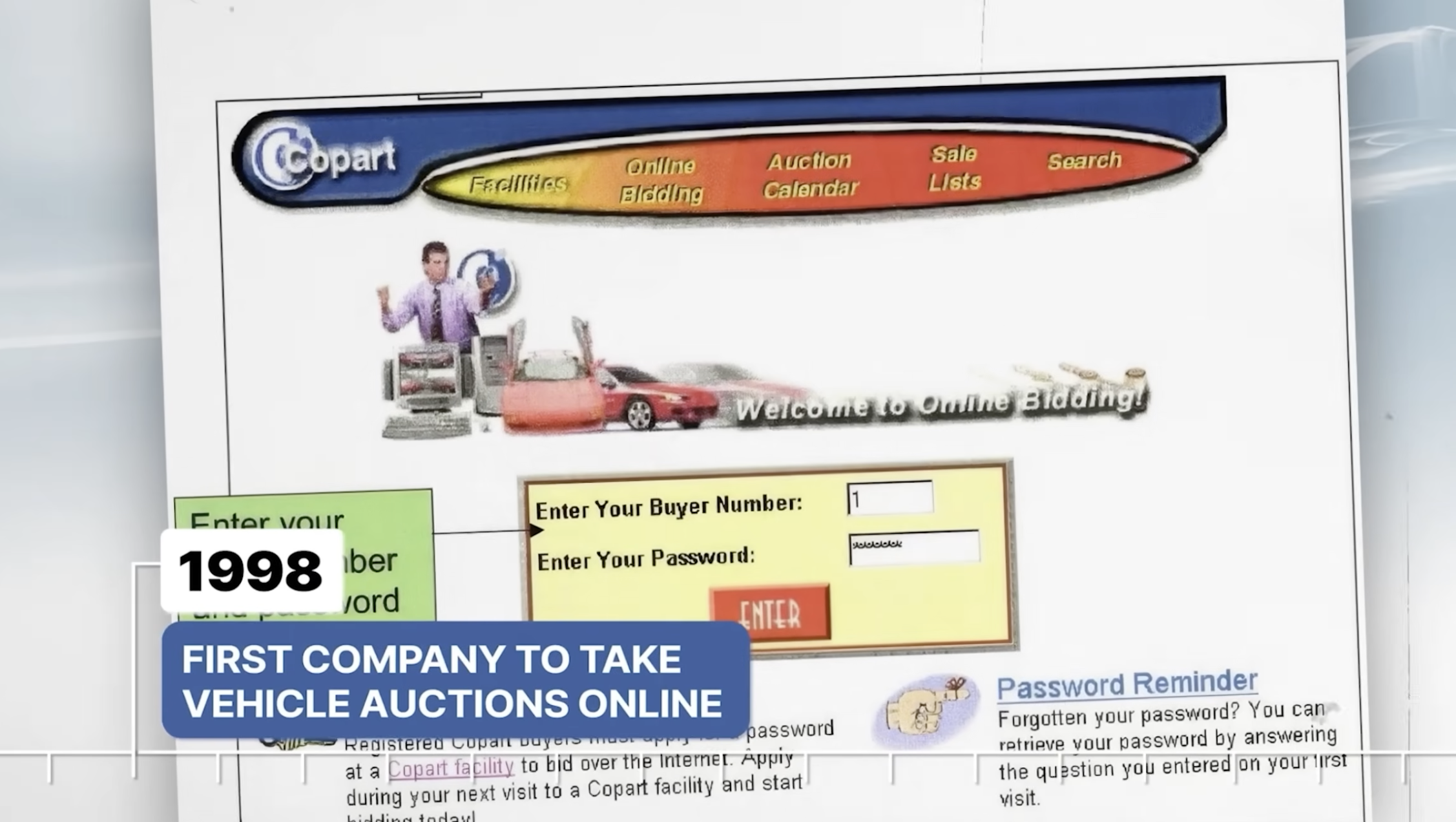
The business today is a modernized version of this old-school auction house, digitized into an online marketplace right around the same time eBay was started, letting a lot more people bid on the cars, which pushes up prices for both Copart and the insurance company.
Business Model.
Here’s how the business works.
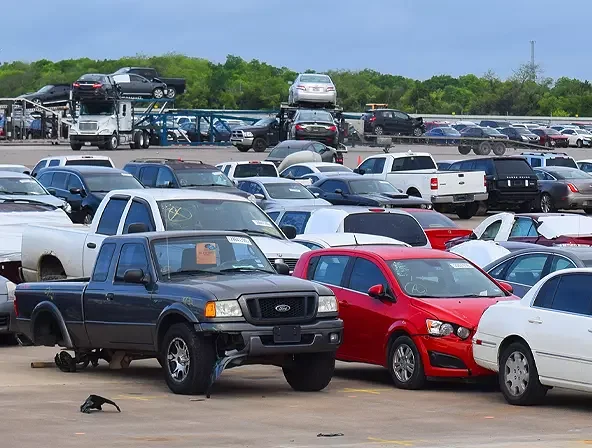
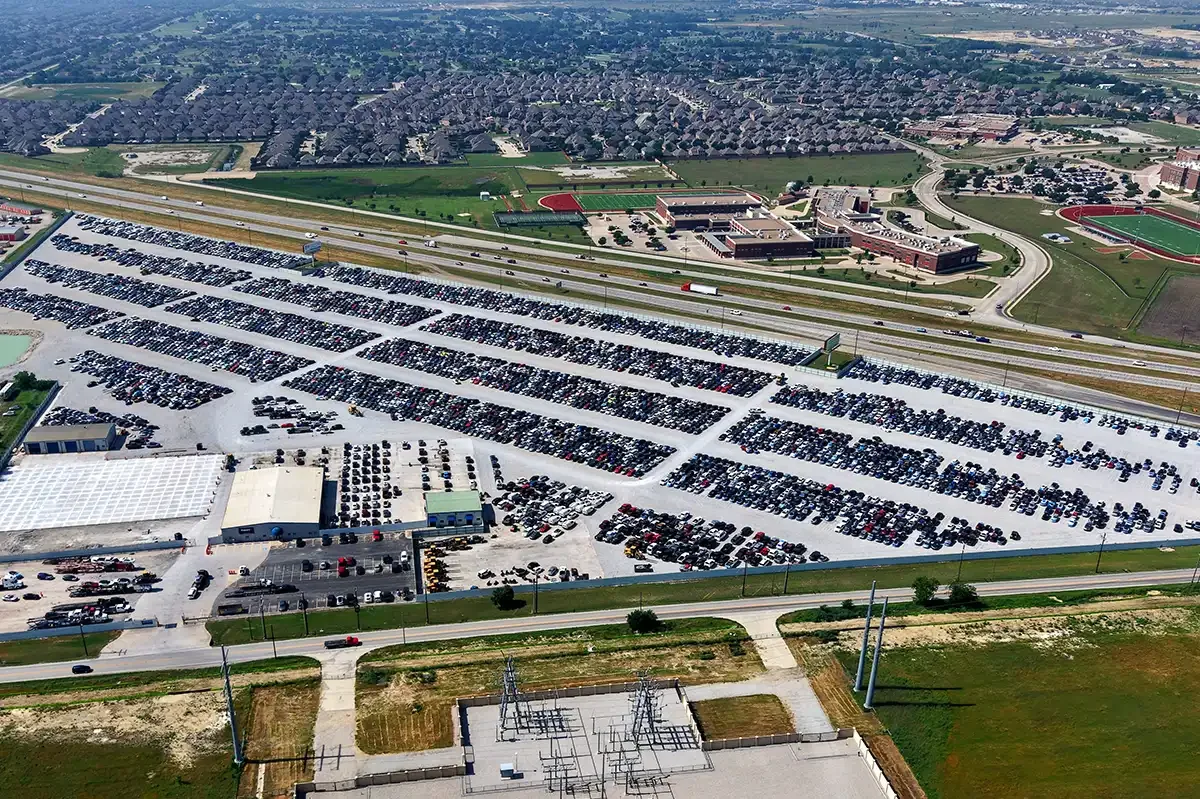
The insurance company gets a call from a consumer who was just in a car accident, and assuming the car can't be driven, they call someone like Copart, which tows the car to one of their 275 yards across the country, very valuable land that could be 10, 20, or even 50 acres near a city center, hard to get and specially licensed for salvaged vehicles.
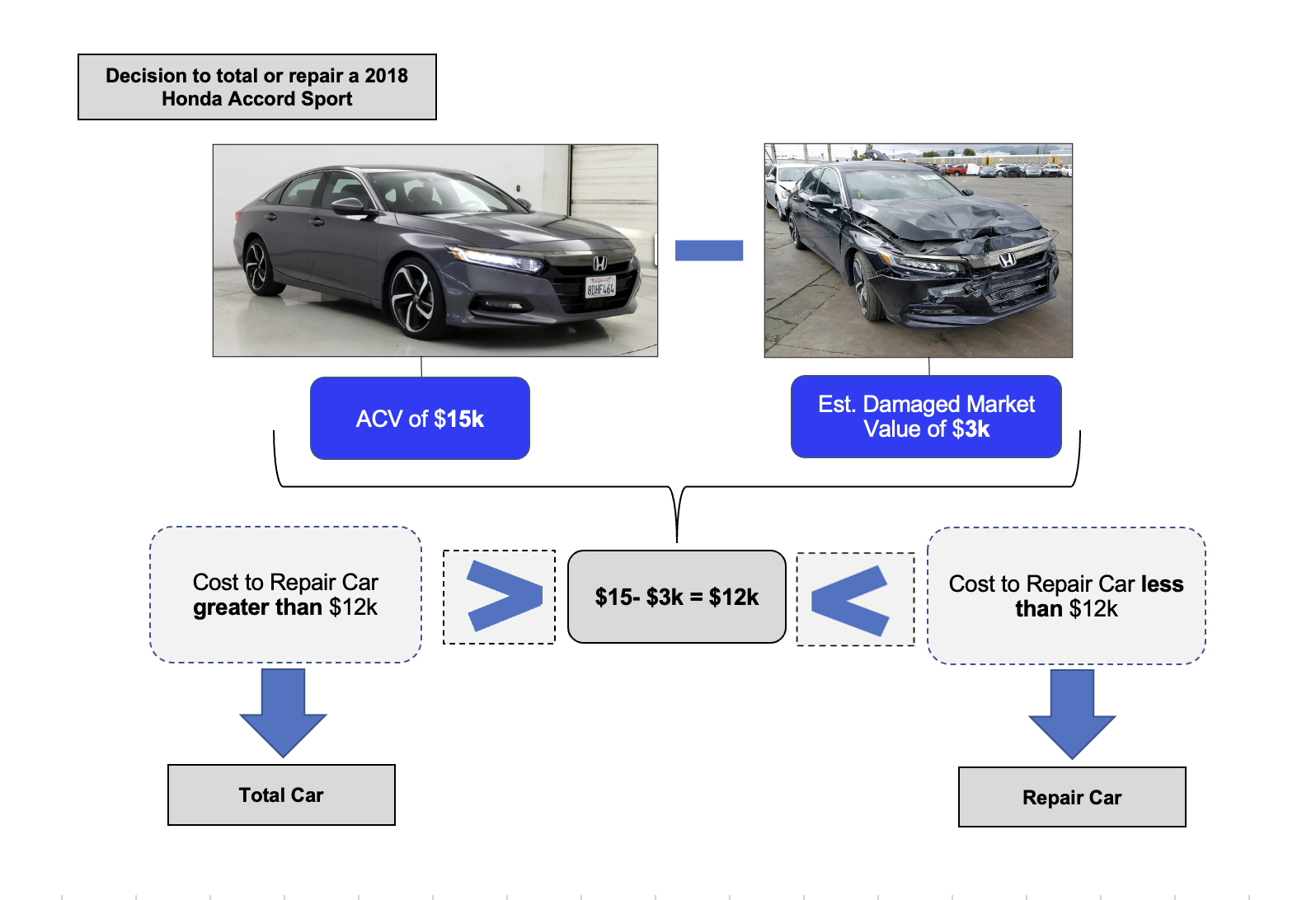
Once it's there, the inspector from the insurance company decides whether the car is going to be totaled or repaired.
The way they decide it is a simple formula: take the pre-accident value, say a Honda Civic worth $15k, subtract what they estimate they can recover in proceeds after the damage, say $3k, and that $12k difference is the repair budget.
If they can repair it for less than that, they'll go ahead and repair it.
If it costs more, they'd rather total the car, give cash to the consumer to buy a new car, and recover $3k from the sale of the wreck.
Cars have gotten more technologically advanced, so more of them get totaled, since it's more expensive to repair a car with miles of electrical wiring and sensors triggered even in a minor fender bender.
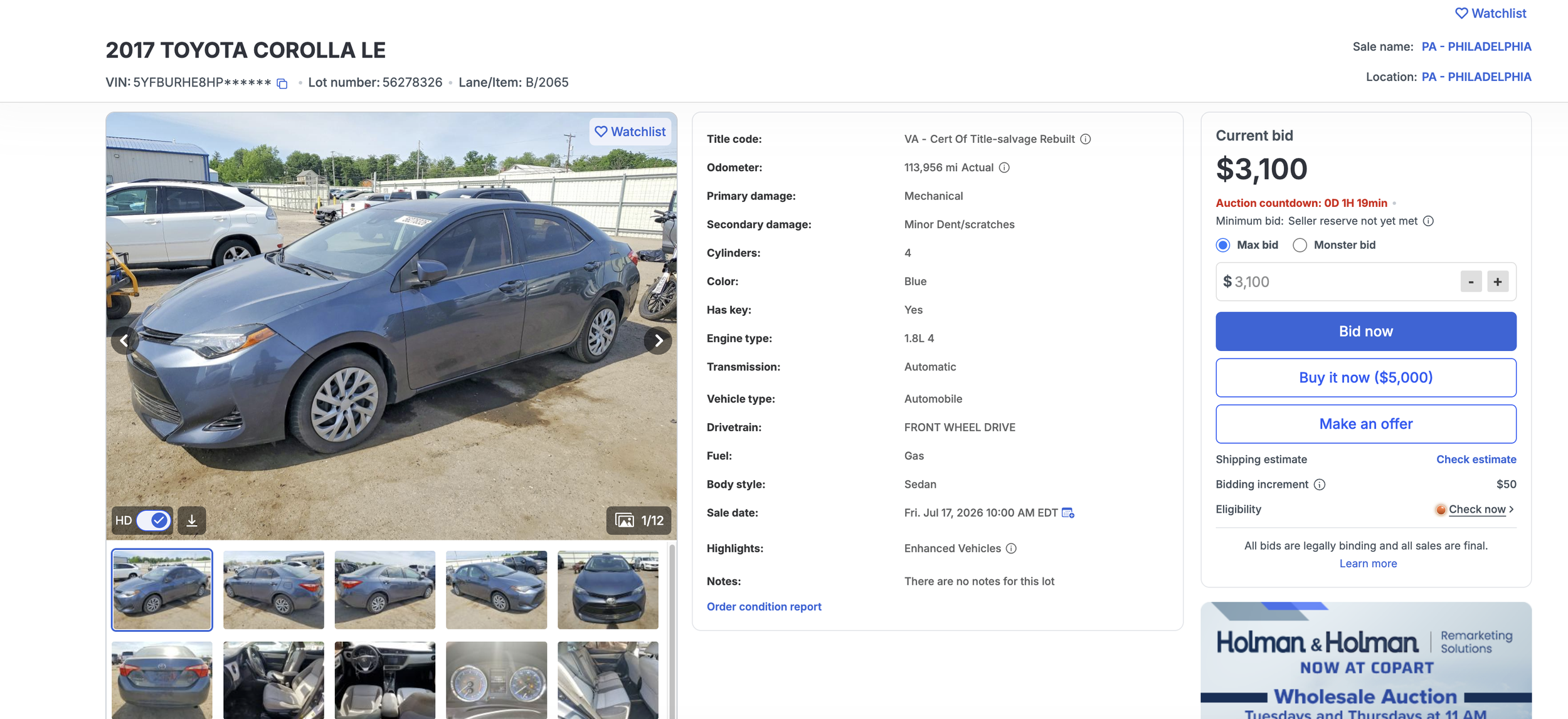
Copart then cleans up the totaled car, which Willis Johnson found out long ago actually increases the sale price, takes photos, posts them online, and people all over the world bid on it in a regular auction.
How Copart Makes Money.
Copart makes money because they take a commission rate from both the buyer and the seller.
On the buying side, these commissions can be pretty high, sometimes 30-35%, but you could be selling a salvage vehicle for $500 with a take rate of a $180 on top of that.
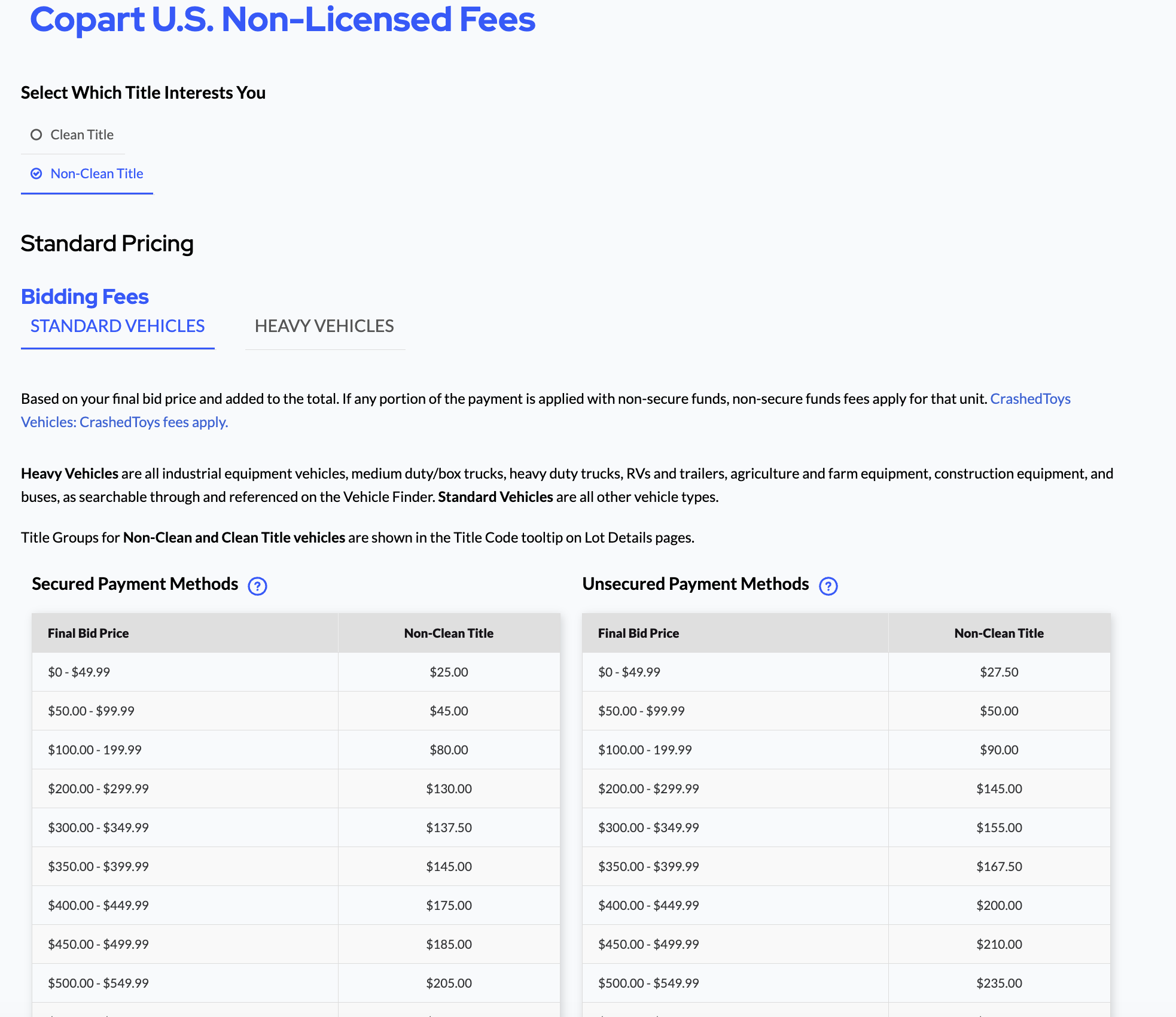
It's because these cars are not that valuable in absolute terms that the rate sometimes seems high; as the car gets higher in value, the published commission rate goes down.
They also monetize on the seller side, from the insurance companies, though that take rate is pretty small, sometimes as low as 1%, so most of the money comes from the buying side.
They do charge for other contractually negotiated fees, though: pickup, tow, storage, cleaning, and newer services like titling.
So a consumer is in a car accident, it's decided whether the car gets totaled, and if it does, Copart auctions it off and makes money on the sale.
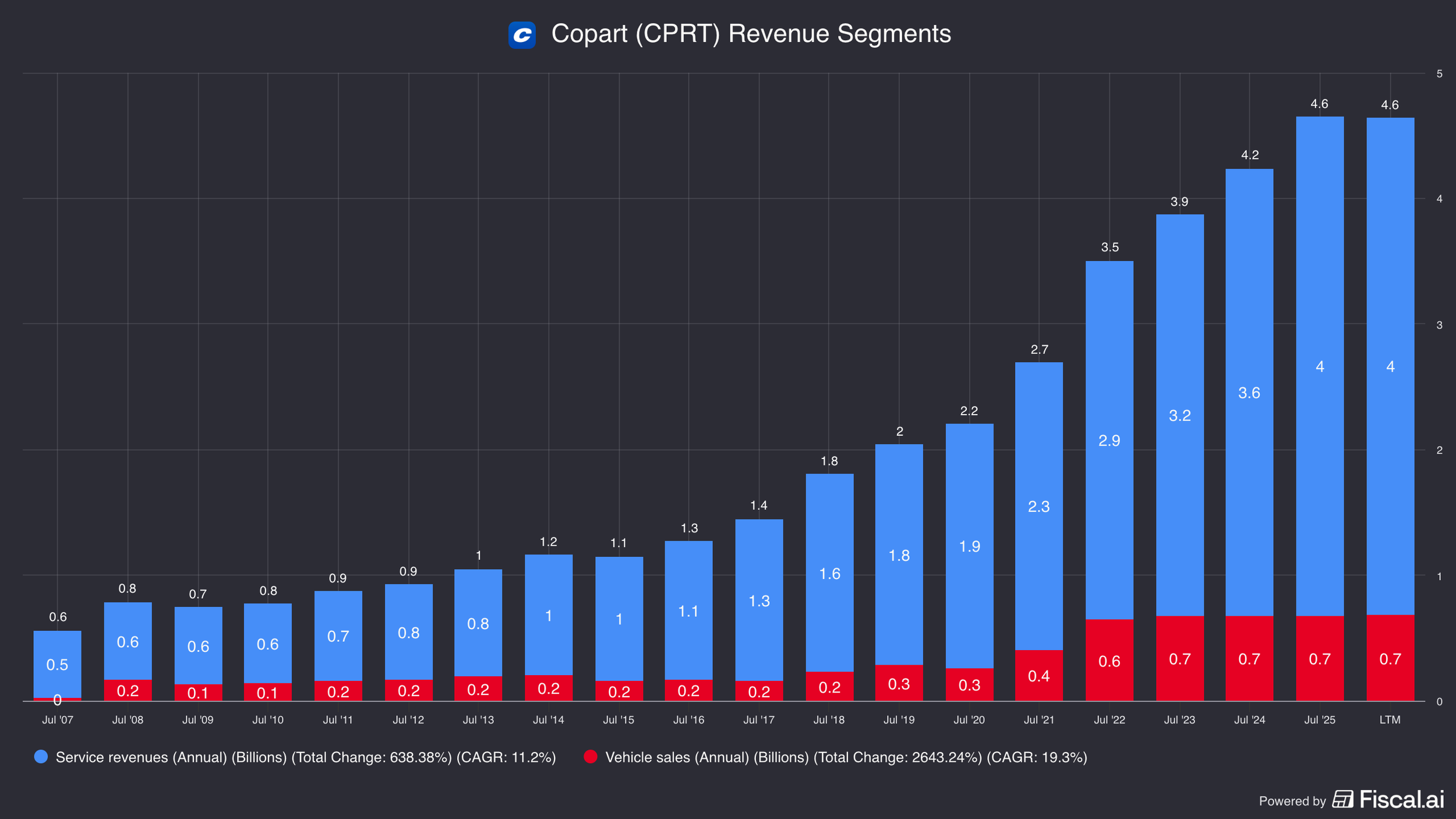
They have two segments: 1) service revenues and 2) vehicle sales.
And to understand the difference, we need to understand the consignment model, originally called PIP (Performance Improvement Plan).
The Shift to the Consignment Model.
Originally, the insurance company still owned the vehicle and gave it to Copart to sell, maintaining the title the entire time, with proceeds going back to the insurance company, and Copart taking a fee for storage, transport, and selling.
The model changed to remove cash moving up front: Copart said, let us bear the cost of cleaning up these cars and posting them online, and we'll make more money doing it, in exchange for all of the supply, no cherry-picking, and a commission on the final sale price rather than a fixed fee.
That's also a benefit to the insurance company, since some vehicles are fired-out wrecks only worth scrap metal, not even worth the transit cost, so insurance companies lose money on those, and Copart is fine eating that loss since it's made up through the broader supply agreement.
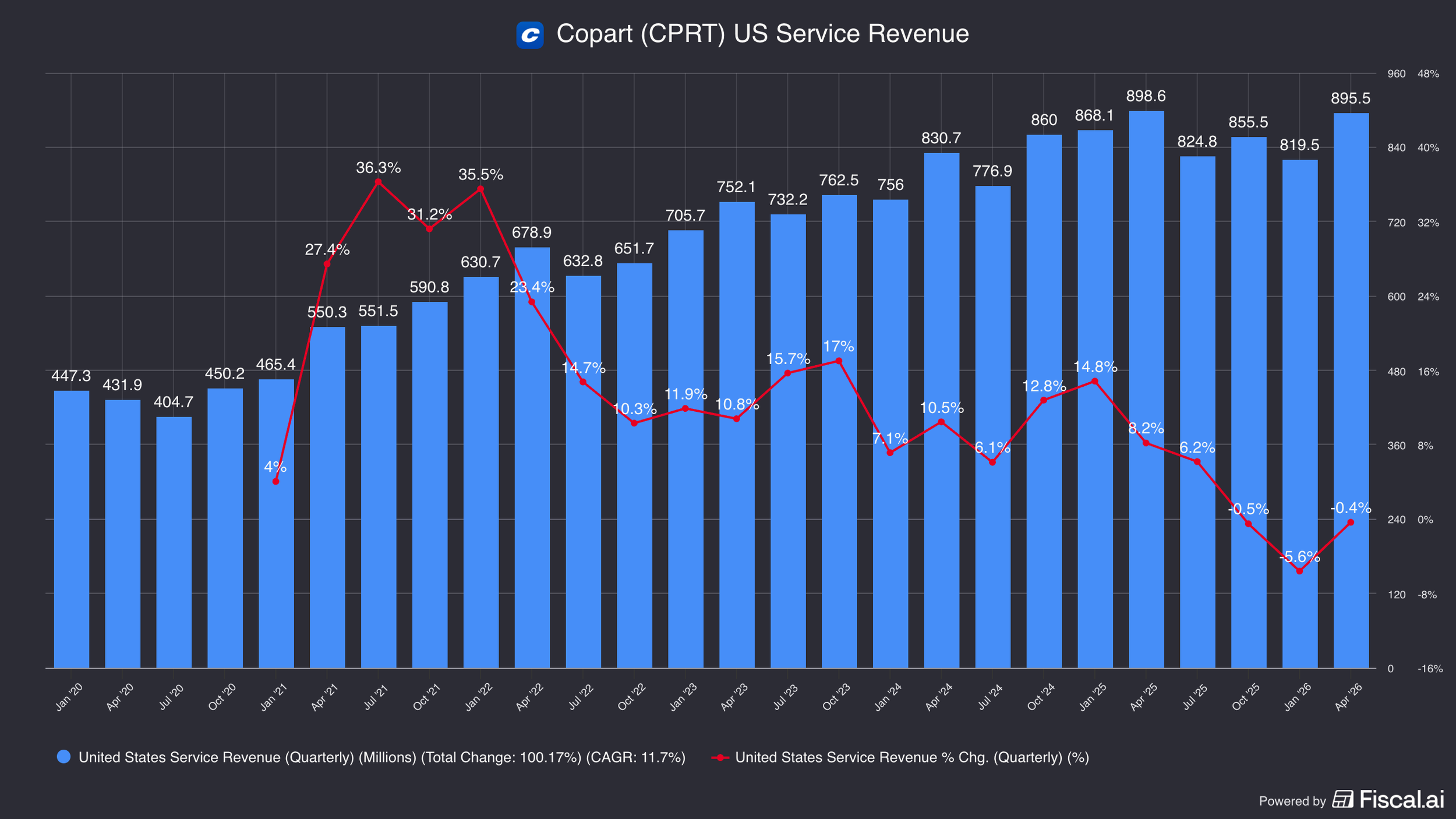
Insurance companies didn't like the pitch at first, but now everyone in the US is on that consignment model, which is what their service revenue is: commissions from selling vehicles, plus titling and other fees.
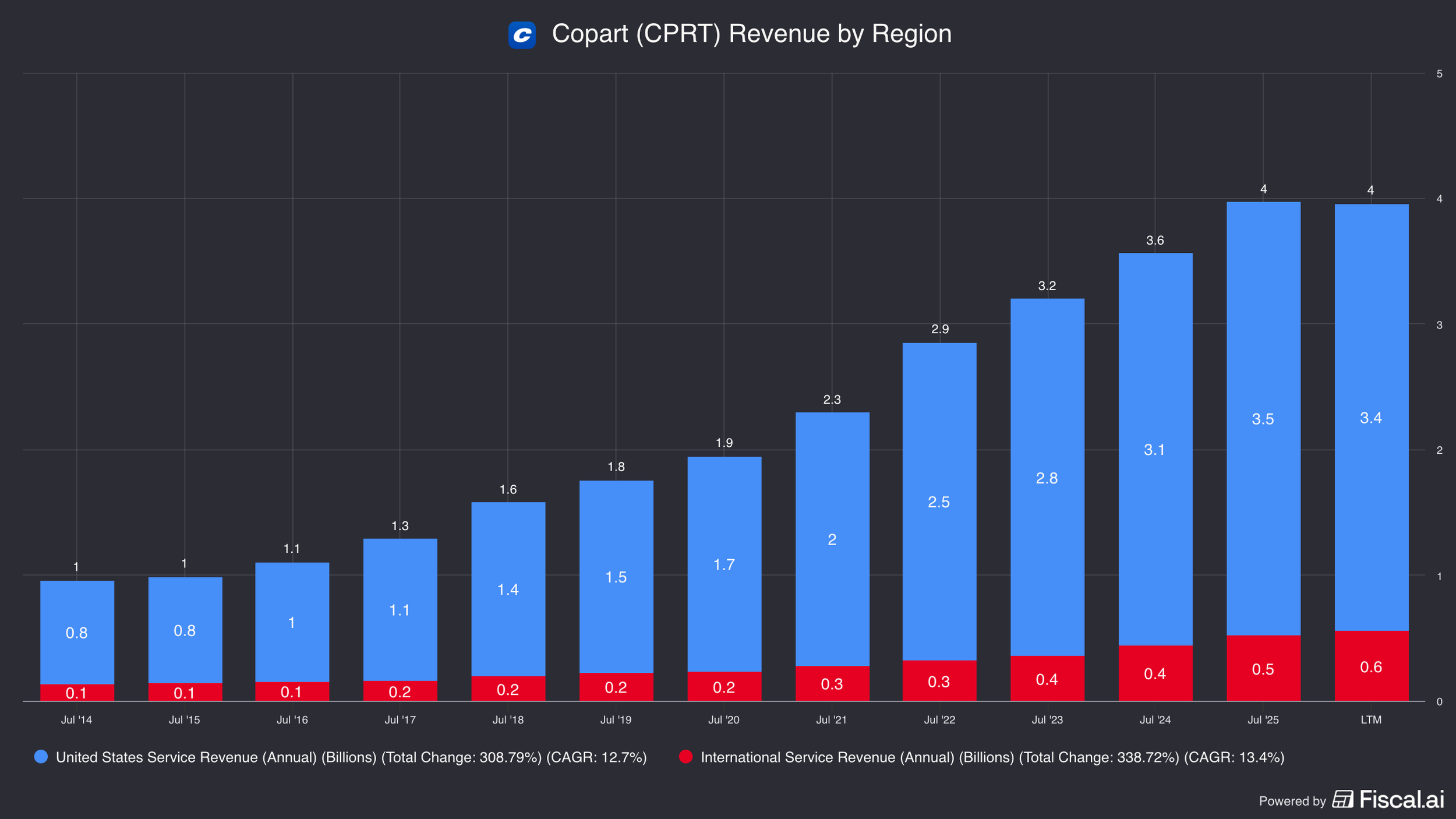
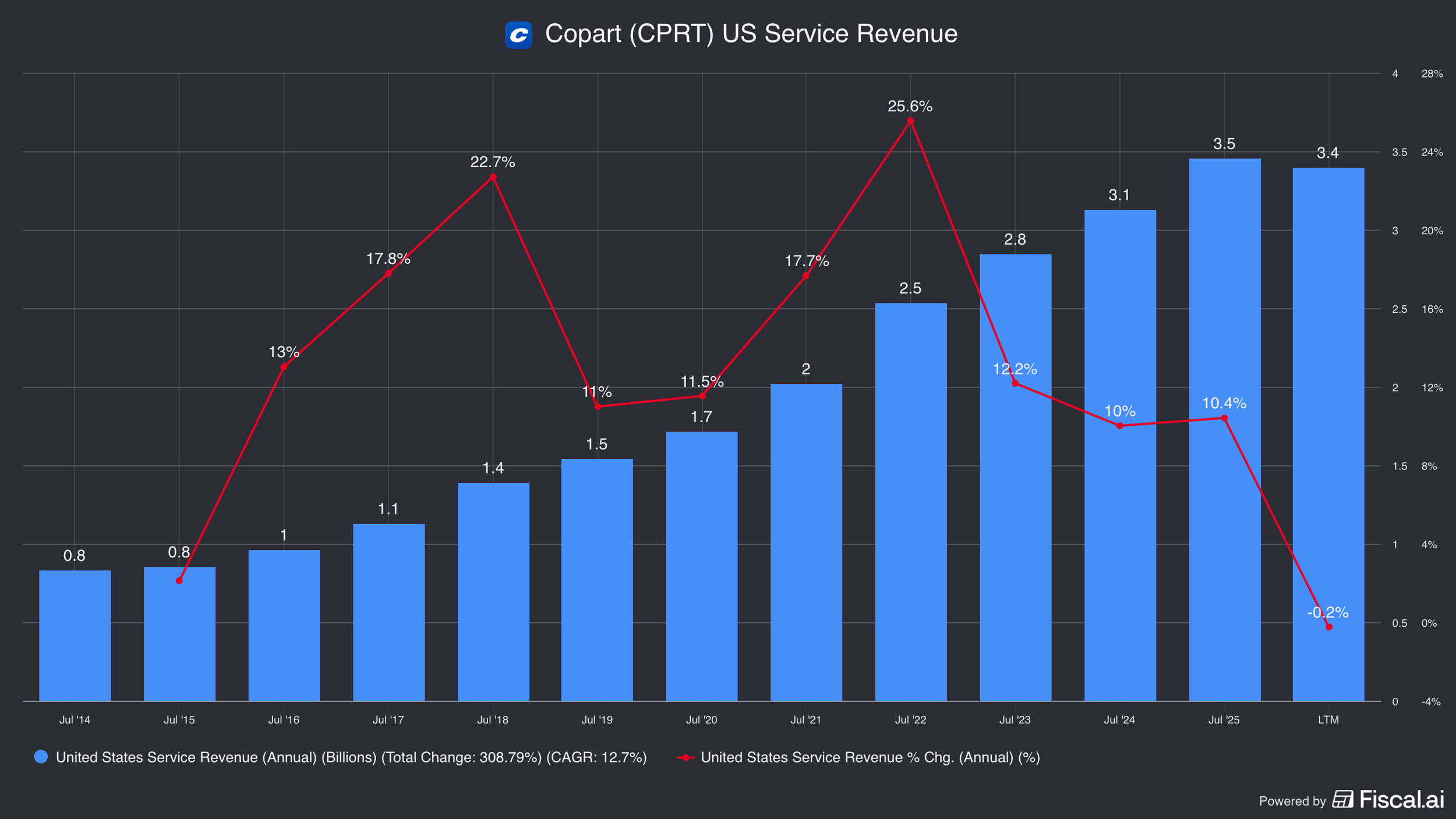
That's their first segment, about $4bn, and it's not growing.
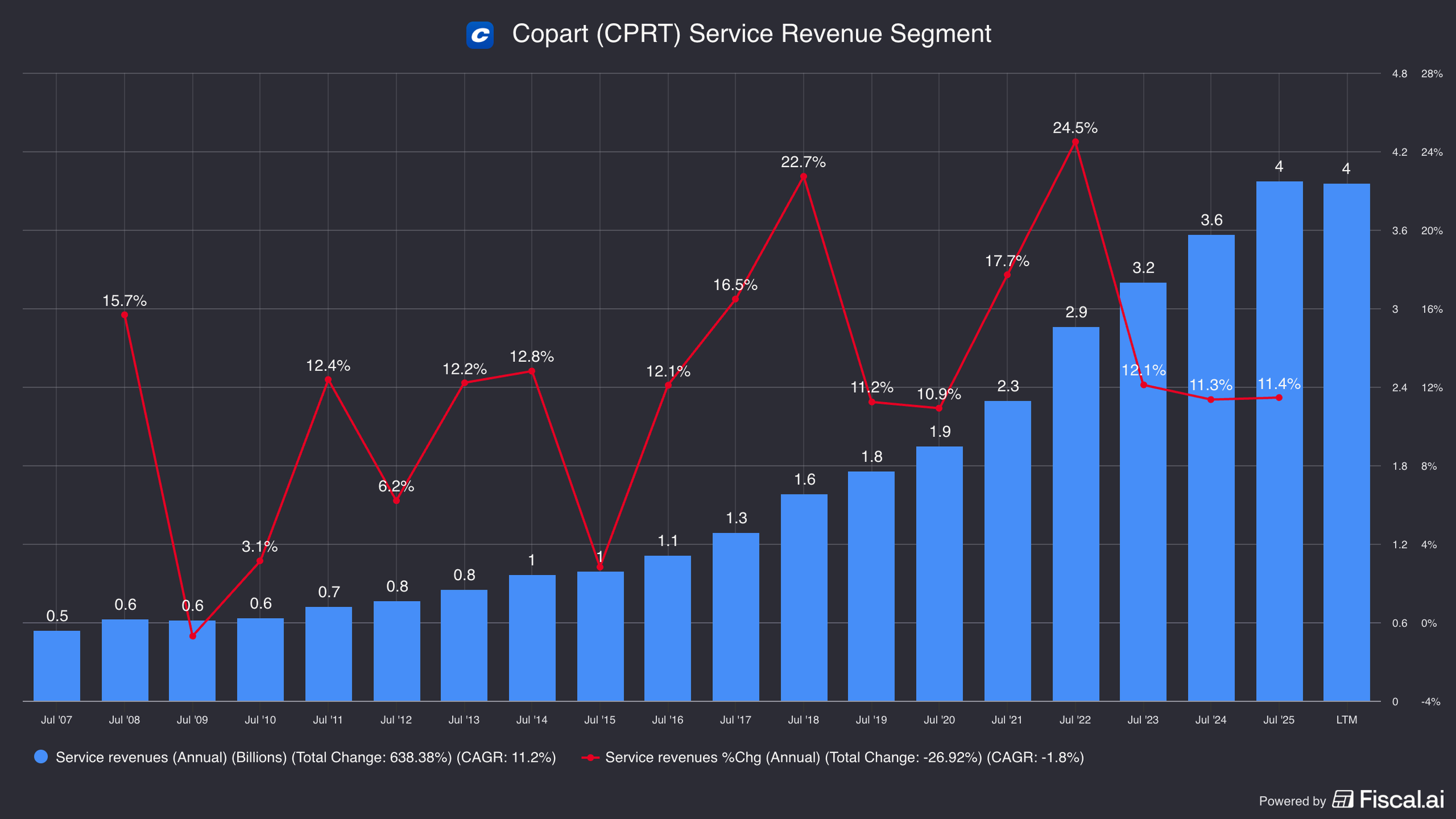
And that’s a problem, which will discuss later.
The second segment is vehicle sales, when they buy a vehicle and resell it themselves, through sources like Cash for Cars radio ads, Copart Direct, bank repossessions, and rental car fleets.
Over the last twelve months, their vehicle sales segment has generated $680mn in revenue.
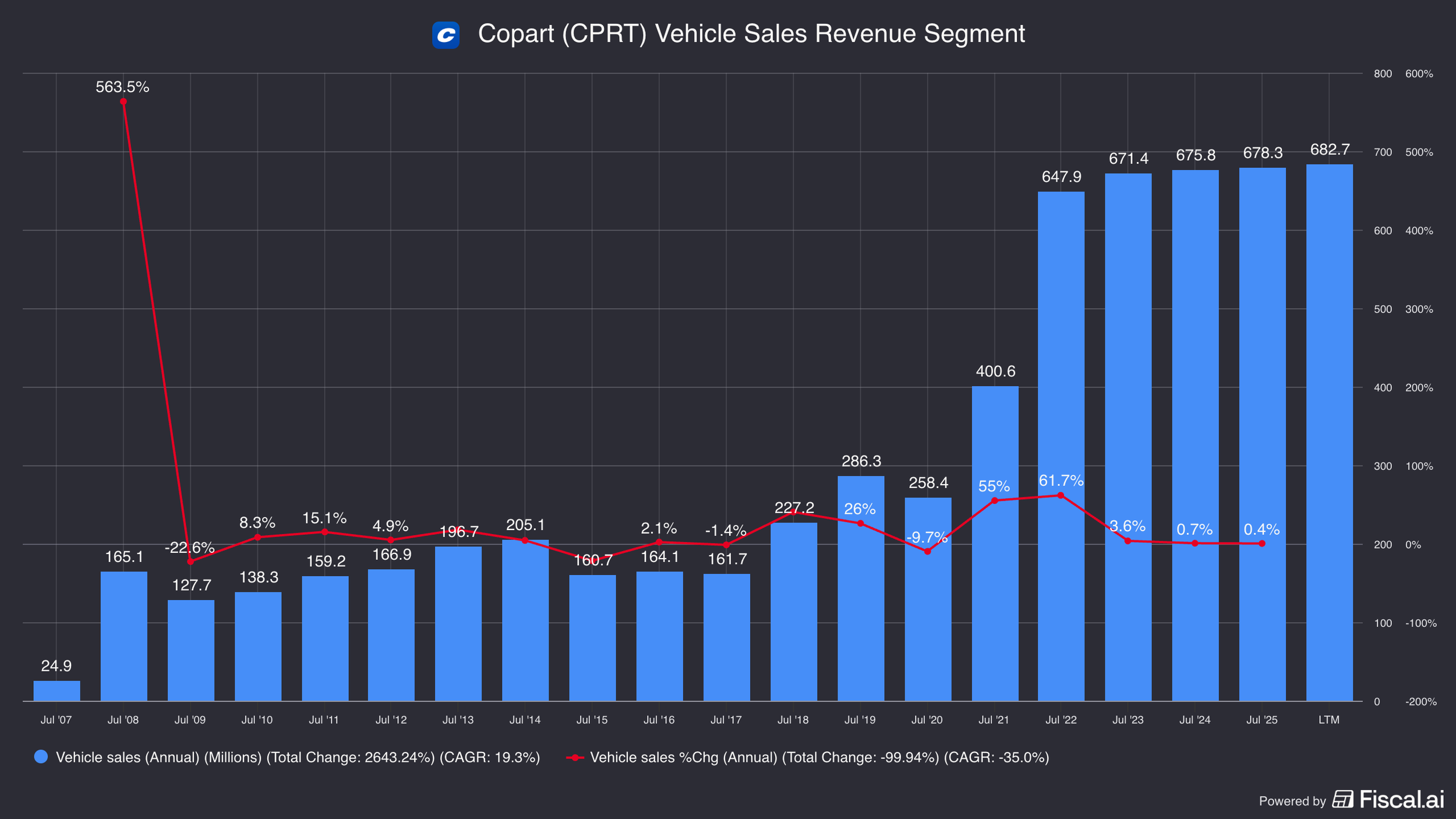
The accounting is similar to the first-party versus third-party distinction in e-commerce companies like Coupang and Mercado Libre.
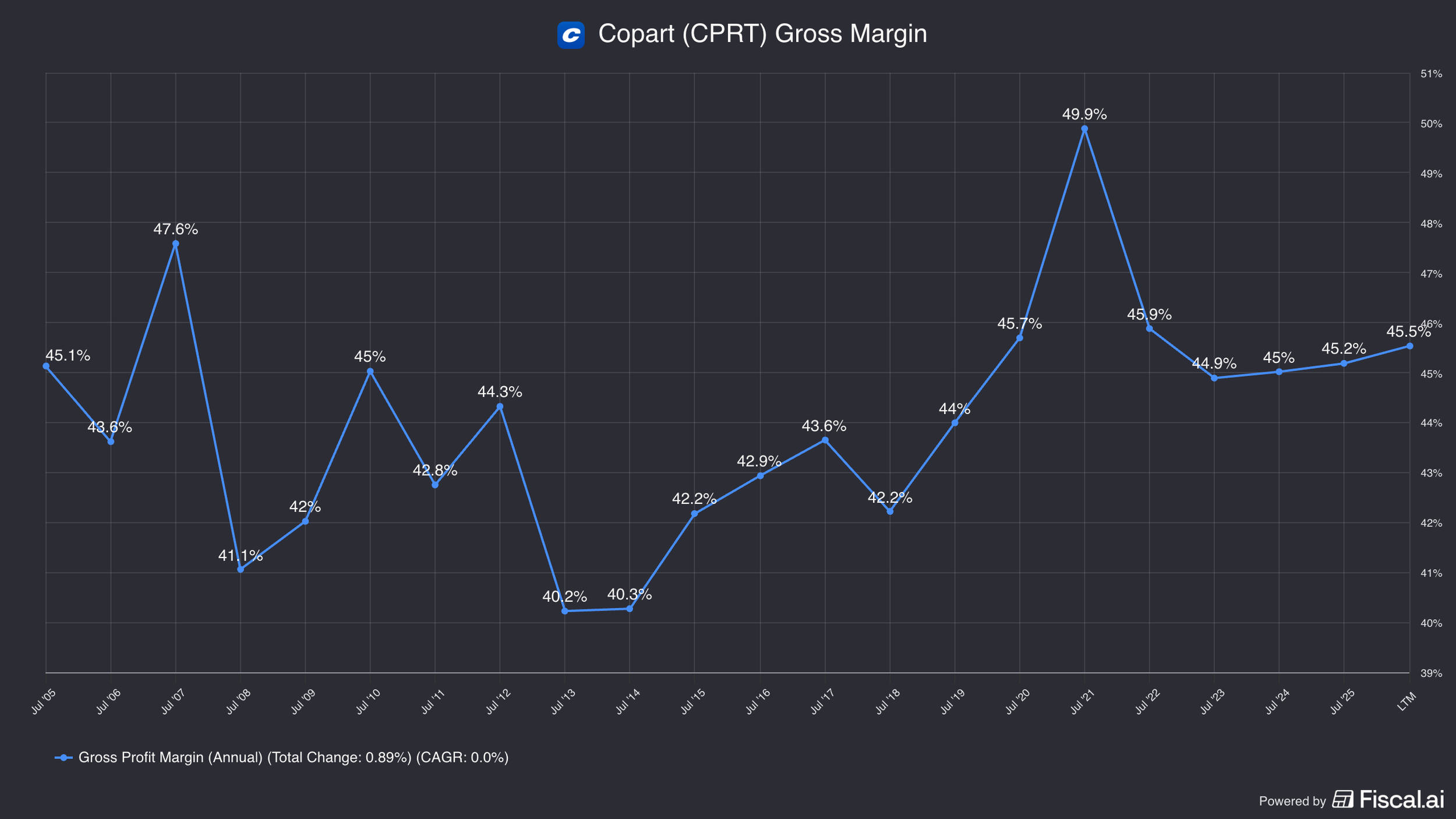
A vehicle sale records the full sale price as revenue against a similar cost of goods, a low margin, while the same car sold on consignment only records a small commission as revenue, at a much higher margin.
That's why their reported gross profit, around 45%, looks lower than you might expect, given the cost of goods sold in the logistics of picking up and moving cars and owning the yards.
Secular Tailwinds.
Something worth hitting on is the secular tailwinds this business has enjoyed.
The growth drivers basically come down to how much people are driving and how often cars are getting totaled.
Cars are being driven more over time, with miles driven growing about 1% a year as there are more people and more cars, and more severe accidents mean more cars being totaled, which is more supply for Copart to sell.
There are really two variables here: frequency and severity.
Frequency, how often cars get into accidents, has actually been going down, but severity has been going up.
The reason ties back to the technology point: a car with a lot of technology becomes more expensive and more likely to be totaled, so there are fewer accidents, well before any autonomous or anti-collision technology, just basic safety features like anti-lock brakes reducing the number of accidents.
But when there are accidents, it's become more expensive to repair these cars, both because the technology itself is more expensive to replace and because repair labor costs have been increasing too.
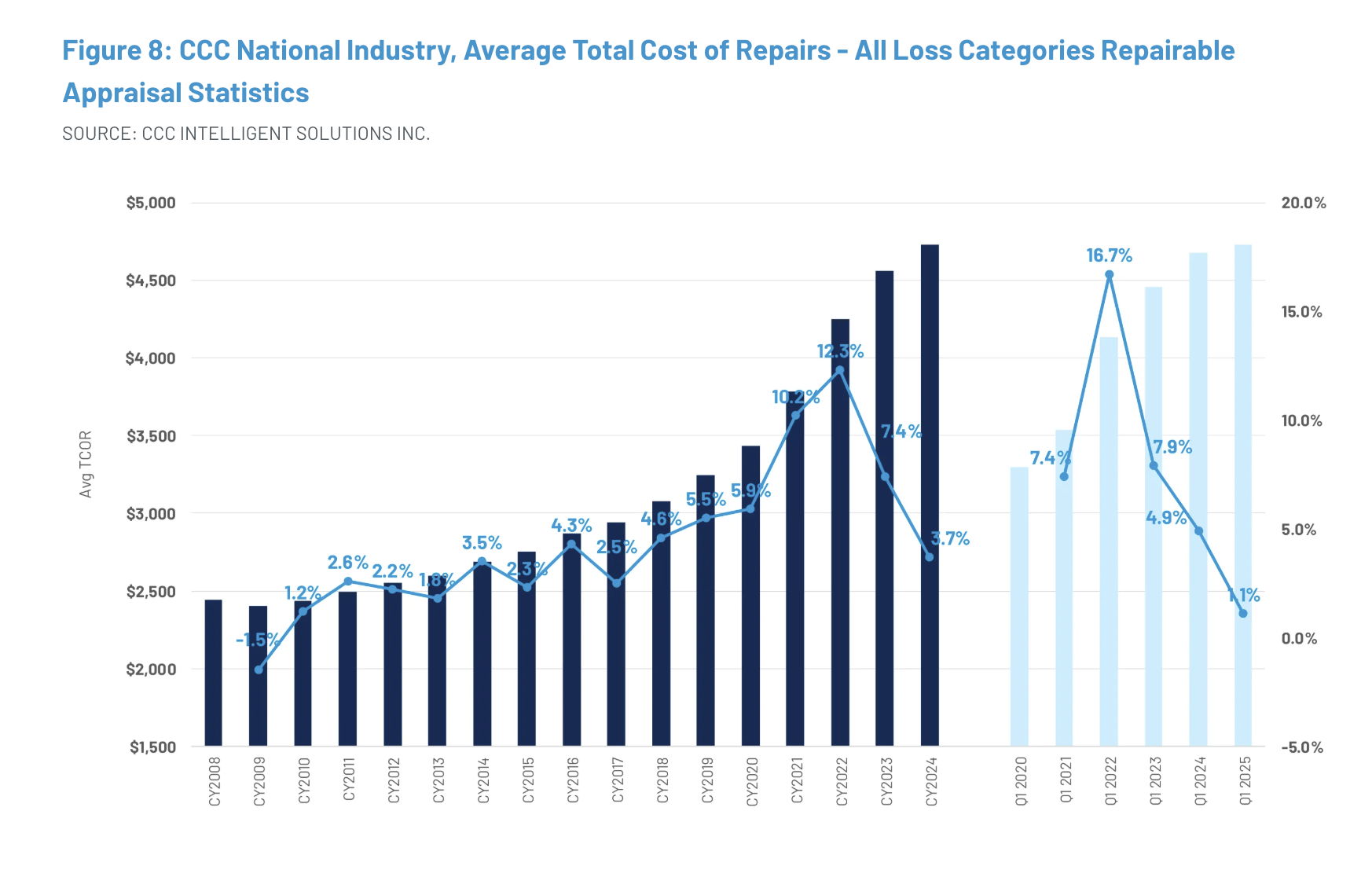
Those two factors mean more and more cars are getting totaled at a higher rate over time, which has been a big tailwind, since the more cars that get totaled, the more cars Copart gets to sell.
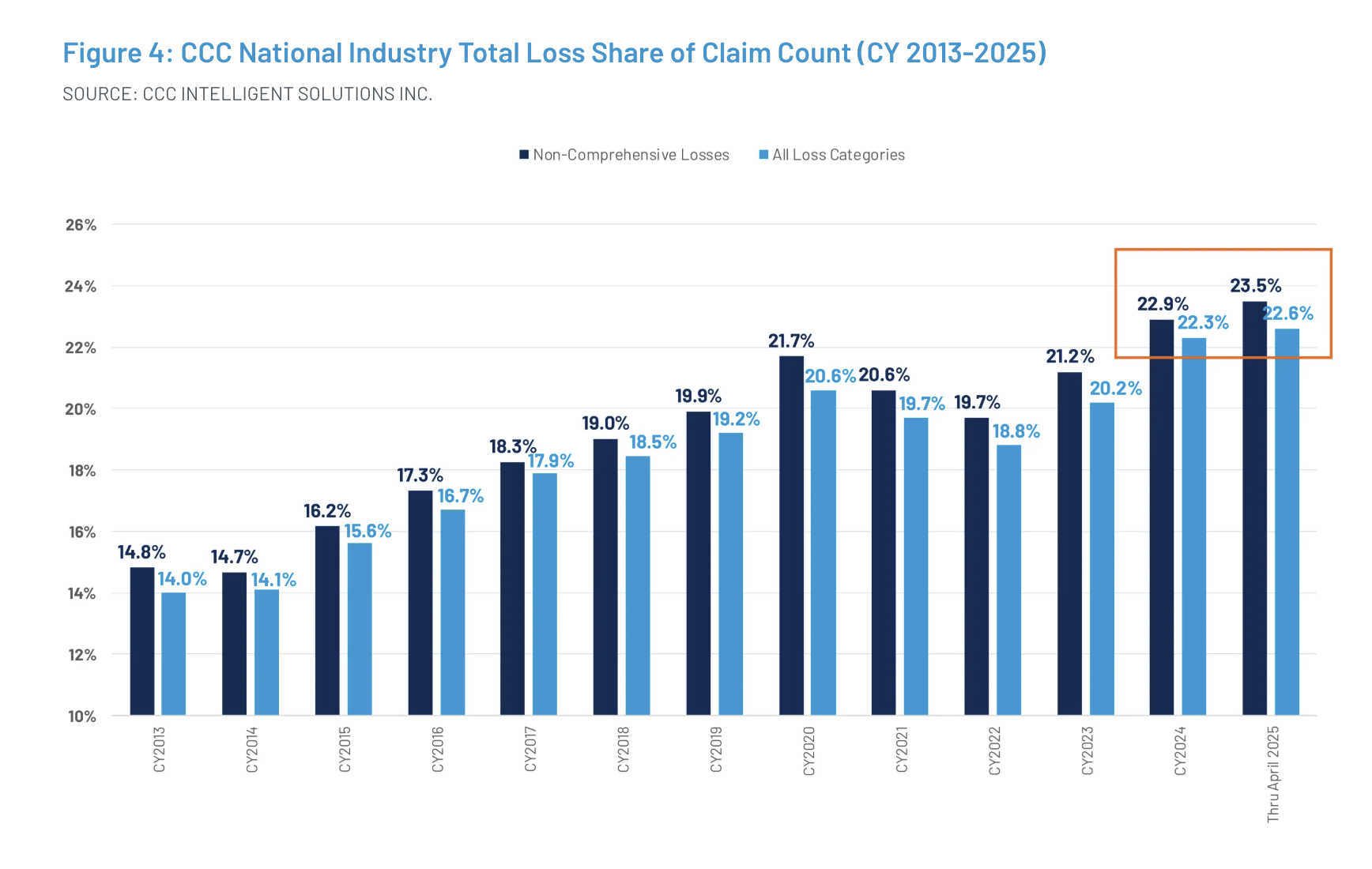
At some point, though, this is a risk: frequency could keep dropping while severity doesn't increase enough to offset it, so the number of totaled cars stops increasing.
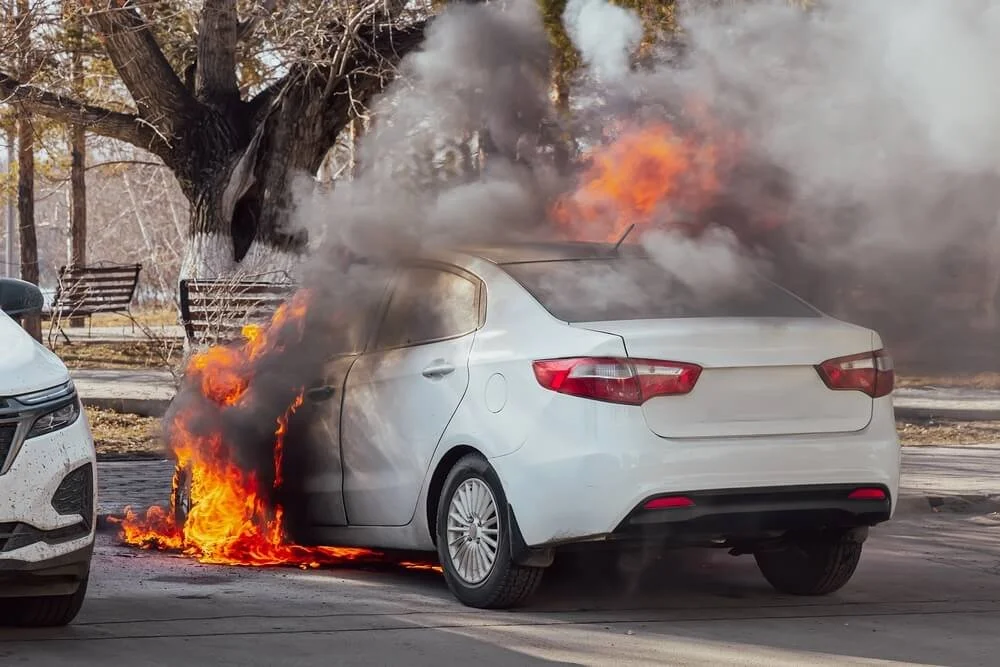
In a world with a lot more autonomous features preventing accidents, the accident rate could drop 90%, while severity only doubles, meaning fewer totaled cars overall.
The Duopoly: Copart vs. IAA.
Copart today is a very US-centric business, with about 80% of revenues in the United States.
IAA, which Ritchie Bros is now its current owner, had four ownership changes in about 15 years.
One big advantage for Copart is that it always buys its land outright, going back to Willis Johnson's view that leasing would let landlords keep raising rents.
IAA wanted to be “capital light” and leased its land instead.
Despite that, IAA’s ROIC was consistently lower as a result, since landholders would jack up lease prices knowing IAA had to pay for such scarce, licensed land near city centers.
When Copart was acquiring these fragmented local tow yards, Willis Johnson would approach holders himself and sign a contract right there on a car hood, whereas IAA came up with people in limos and suits, using more debt and being more Wall Street savvy, first to IPO.
What really set Copart apart and changed its reputation compared to IAA was Hurricane Katrina.
In a catastrophe event, a huge number of cars get totaled all at once, tens of thousands from flooding damage, clearly totaled with no point in trying to fix them, and providers suddenly need to move 50,000 cars right away, since the insurer can't issue a check to a policyholder until that happens.

IAA was pretty slow during Katrina, so policyholders waited weeks, maybe months, for a check, a very clear reason to cancel on their insurance company.
Copart, by contrast, kept a lot of surge land capacity sitting empty for years for exactly this kind of event, and paid sub-haulers two or three times their normal rates to get down to Katrina fast, losing money rather than raising its own rates.
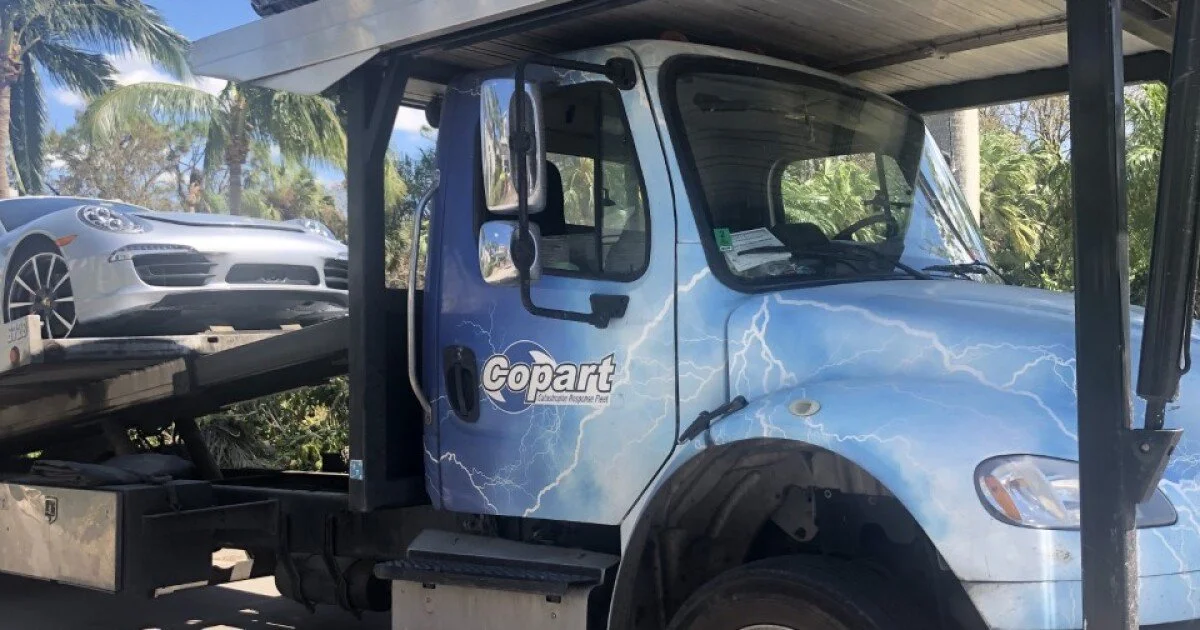
That built a lot of goodwill and a reputation for handling catastrophe events well, while IAA slacked, and more insurance companies wanted to switch to Copart afterward.
The market share split is hard to pin down, but Copart likely has a little under 50%, maybe up to 60% at the high end.
Insurance companies like having two players to play off each other rather than being beholden to a single supplier, so the industry deliberately kept giving volume to IAA even when Copart was doing a better job.
That characterized the landscape for the past 15+ years: IAA consistently lagging, not committing to online bidding until COVID forced its hand, even though Copart built that technology in the early 2000s.
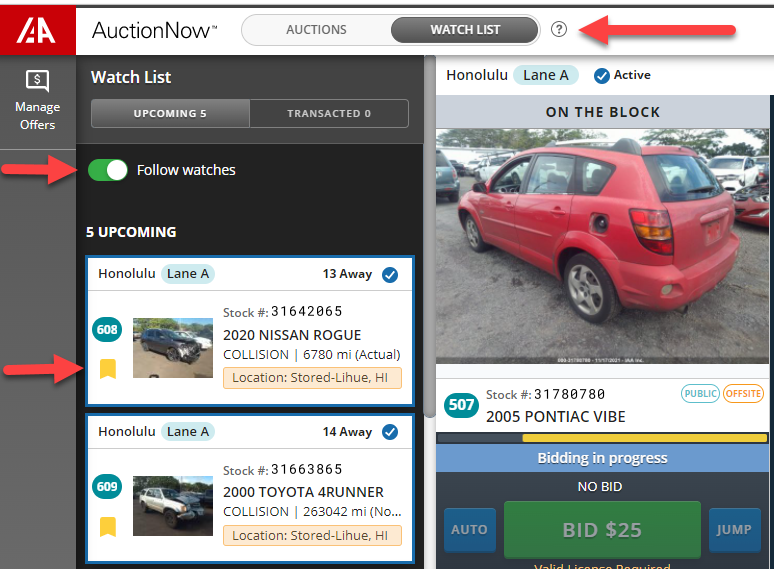
Ritchie Bros, which runs a similar yellow-metal construction-equipment auction business, acquired IAA a couple of years back and seems to be running it better than in the past.

Negative Insurance Volume and the Return of Jay Adair.
That improvement has created investor concern about a market share switch, since a couple of quarters ago, for the first time ever, Copart's insurance volume actually went negative, which was very concerning.
The reasons Copart gave make sense, though we don't know for sure.
Management has said that there are more uninsured and underinsured drivers.
This is because when premiums rise quickly, as they did post-COVID, some drivers go without insurance, and those cars never enter the claims system that feeds Copart.
The other reason Copart gave was that the market share among their insurance clients shifted, likely toward Progressive being more aggressive on rates, which is bad for Copart since Progressive is an IAA customer.
Copart held a special call around this time because CEO Jeff Liaw stepped down and Jay Adair, who helped grow the business alongside Willis Johnson decades ago and is now his son-in-law, is taking back over, planning to stay for a decade.
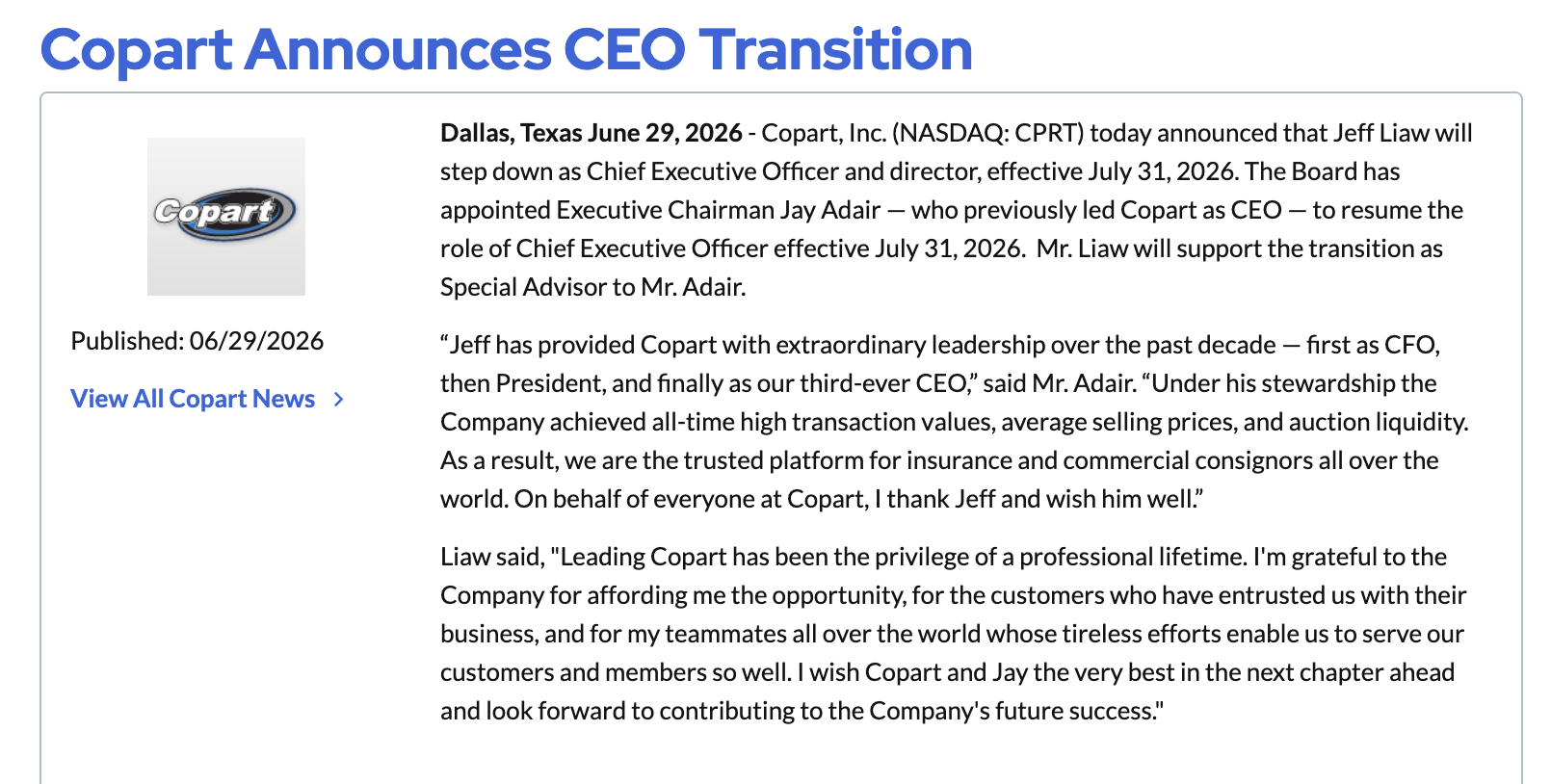
Jay Adair said the prior CEO did a great job and they mutually agreed he was better positioned to grow the business right now.
He said they lost share with one insurer, but described it as a mutual pricing disagreement, and disputed the idea that IAA had gotten dramatically better as an operator, calling that overstated.
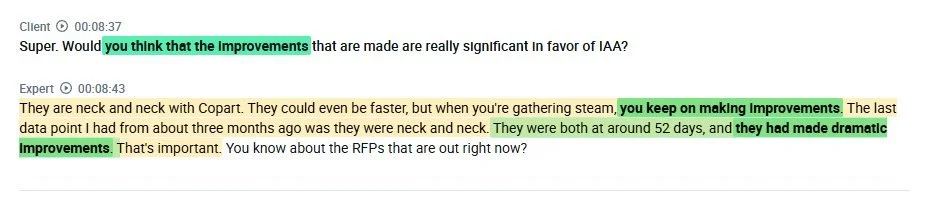
That said, an AlphaSense expert call transcript with an insurance executive did suggest IAA has improved its turnaround time, getting closer to matching Copart.
Interlocking Moats.
Having said all that, both companies can still succeed; it's still a duopoly, and they don't really compete much on price, since commission rates as low as 1% are already borne on the buyer side.
Competition is really on service.
They also have 20% of their car supply from non-insurance volume, competing against anyone buying and selling cars.
Copart Wholesale has moved upmarket toward higher quality and higher selling prices over time.
To underline how hard it is to compete against Copart: you'd first need physical land near a city center with the right salvage licensing, which largely doesn't exist, since Copart already owns it or it's leased to IAA.
Then there's an entire logistics layer of sub-haulers and trucks needed at full national footprint, and you likely won't even get that volume, since insurers sign long-term contracts with providers who've already proven they can run this at scale.
They also want more than pickup: Copart's ProQuote tool tells them which cars to total, based on data only available because Copart already runs a constantly-selling marketplace.
The real proof point is performance in a catastrophe event, when volume can spike tenfold, requiring surge land capacity plus a global buyer marketplace.
That's why I call these interlocking moats: you can't build the marketplace until you have supply from insurers, you can't get that supply until you have the land, and you can't rationalize the land spend until you know you'll get the supply.
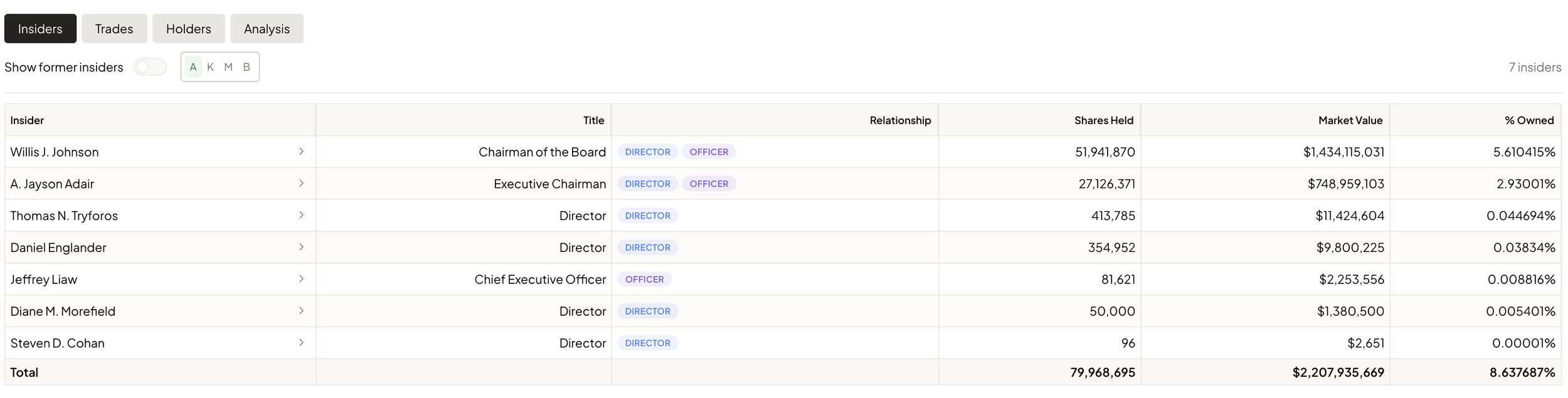
That's why it took Copart 40 years to get here, and it's founder-run in spirit: Jay Adair has been around just as long as the founder and holds a material stake, and Willis Johnson, who became a billionaire off the business, still owns his stake too.
The International Growth Opportunity.
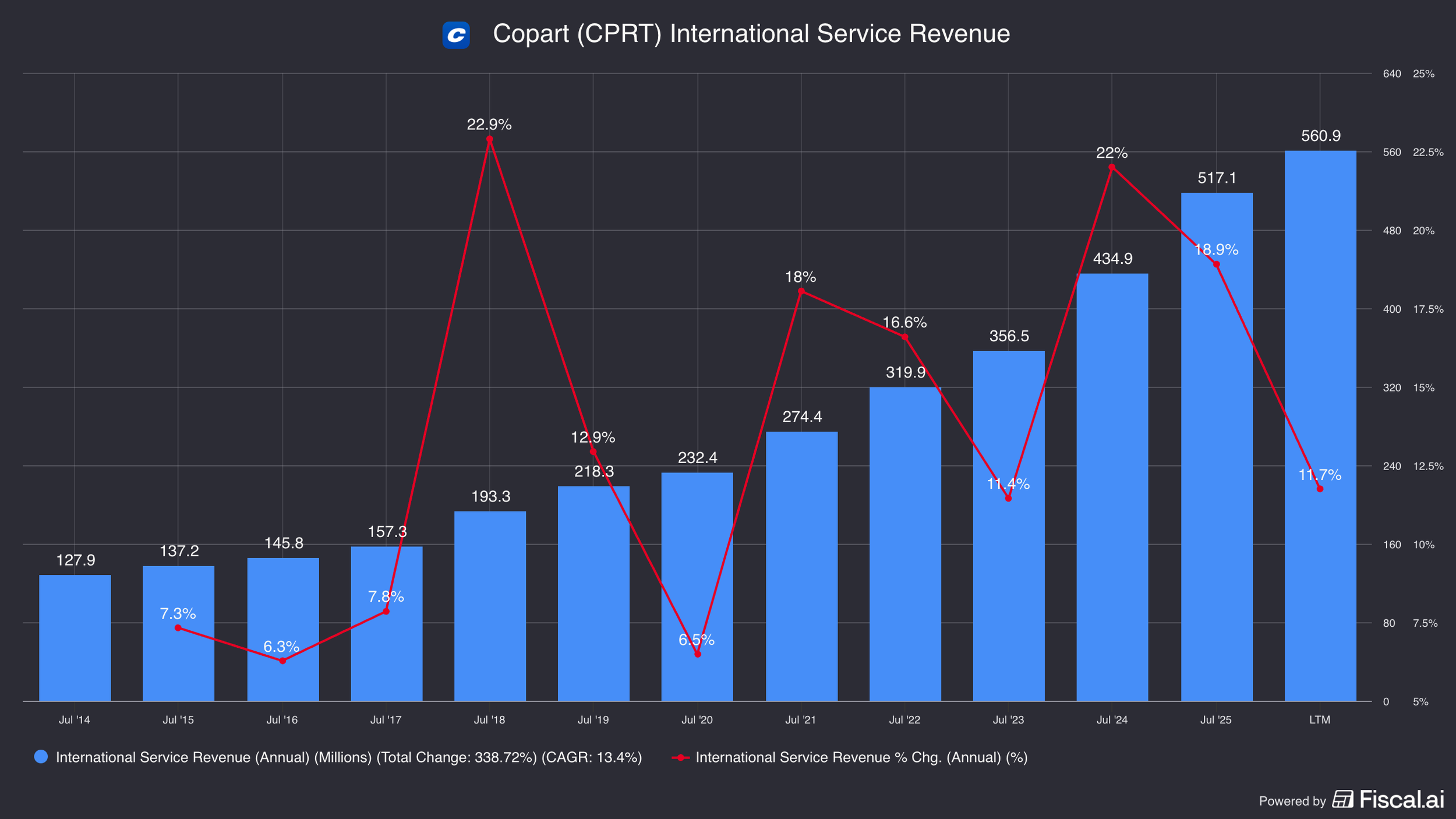
International is where the growth is going to come from.
It’s currently growing around 11%, though it was 22% last year, then mid-teens, then back to twenty, a bumpy service-revenue line.
They started in the UK, convincing insurers to move from a buy-and-sell model to the consignment model, just like in the US decades earlier.
Germany was even stranger: the insurer assesses a car's pre-accident value, estimates what you'd get selling it currently, and just pays you the difference, so a crashed $30k BMW now worth $10k gets you $20k cash, and you have to sell the wreck yourself.

It's an awful experience, and Copart has spent almost a decade trying to convince German insurers to change their model entirely.
The friction is that switching models means paying more cash up front, but Copart argues it can resell the wreck for more in its global marketplace than a consumer could alone, so the insurer's net out-of-pocket actually drops.
Copart bought one of these existing marketplaces to gather data and get a foothold, then slowly worked on insurers, and it's had success.
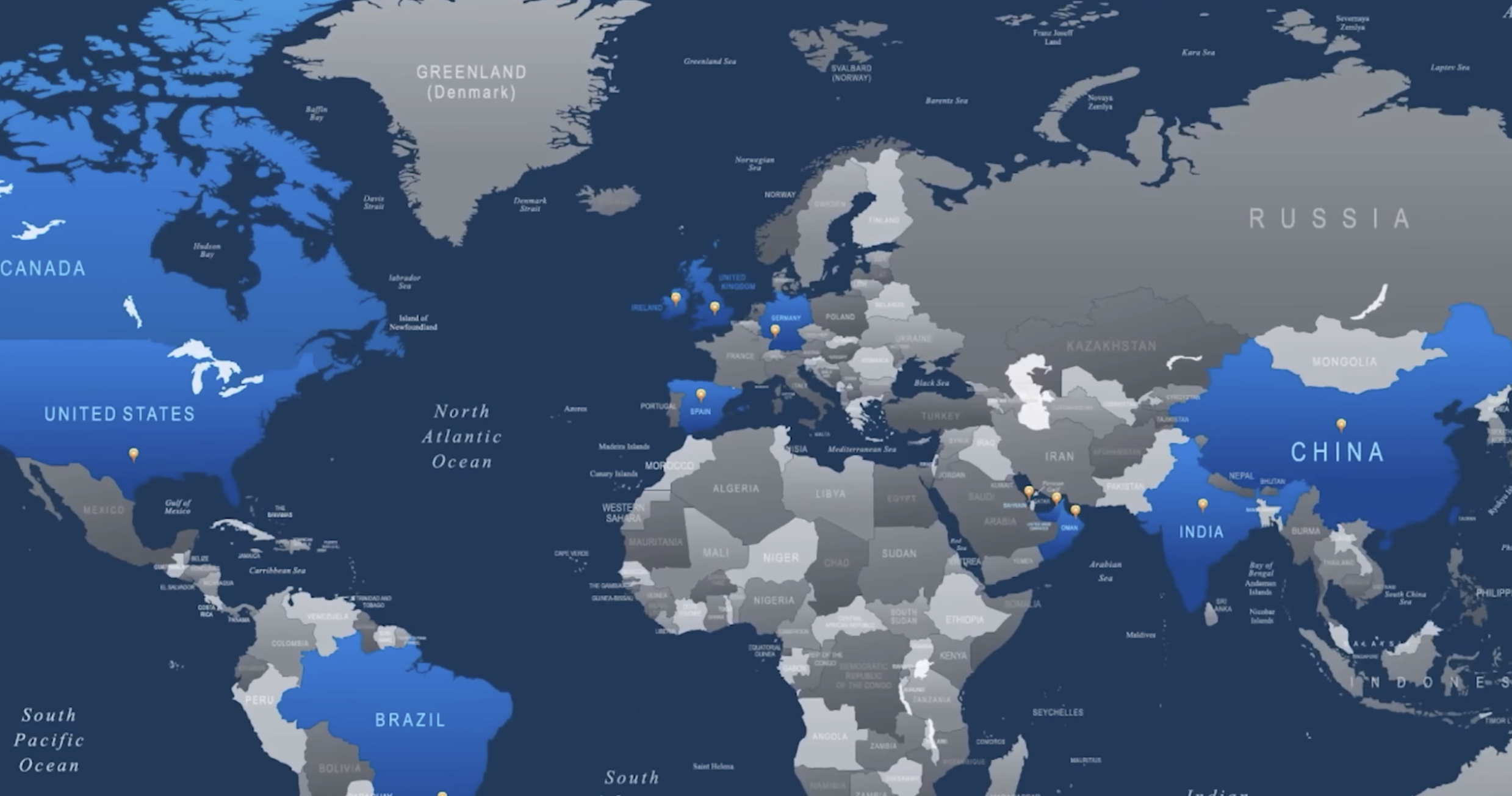
They now have a position in the UK, Germany, Spain, Ireland, Finland, Brazil, and a few Middle Eastern countries like the UAE and Bahrain, since the biggest opportunity is international, where they face essentially no real competition, leaving a greenfield opportunity to disrupt an old, consumer-run way of doing business.
Risks.
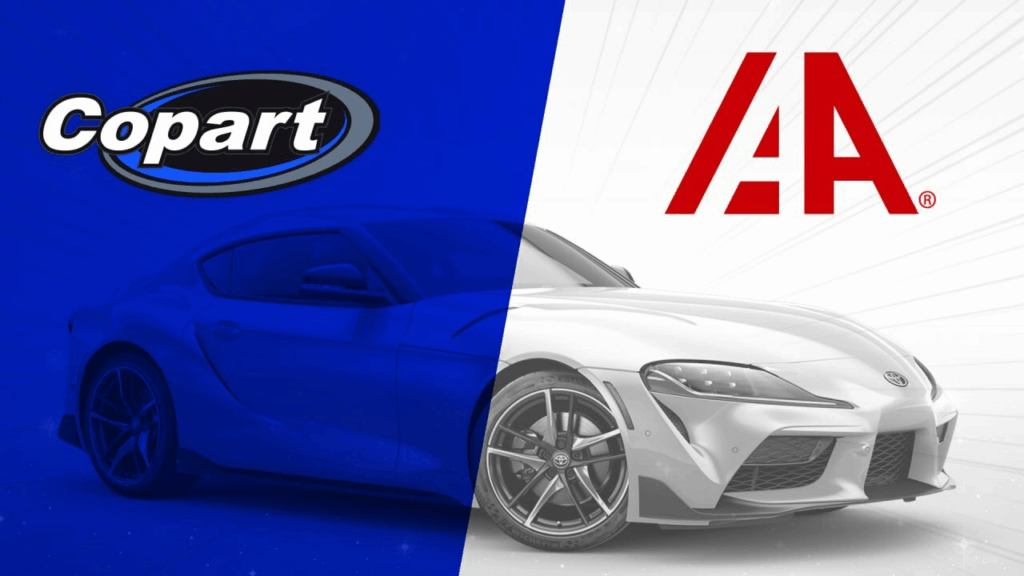
Those headwinds shouldn't be dismissed, from insurance supply contraction to IAA continuing to try to take share; by and large, I don't think they'll succeed, but it's a real risk, since you only need one competitor behaving irrationally to hurt a market for both players.
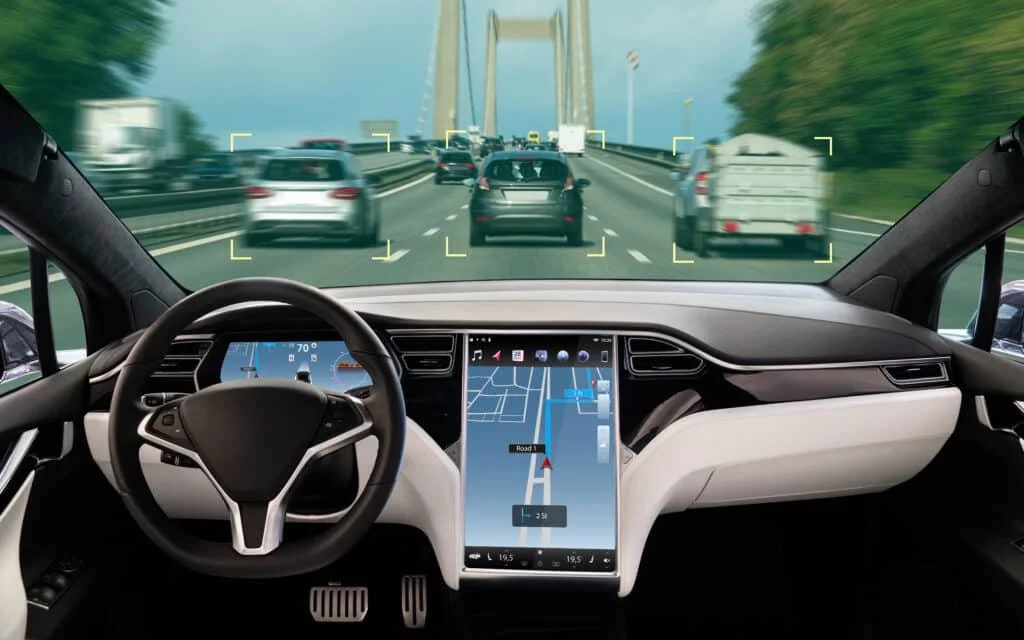
Then there's the existential risk: autonomous vehicles.
What happens in a world with no car accidents?
That would be very bad for Copart, where 80% of volume comes from wrecked cars.
But there are over 300 million cars in the US, with roughly 20 million sold in a given year, meaning it would take about 15 years just to replace the existing car stock even if every new vehicle sold today were fully autonomous, which isn't happening anytime soon; realistically this is more like a 20-30 year timeframe, and mixed autonomous and human driving doesn't obviously mean far fewer accidents.
The biggest risk is the point where falling frequency outpaces rising severity, turning totaled cars from a tailwind into a headwind, but at 20-30 years out, that's not a large share of today's valuation, and international operations will make up a much bigger share of revenue by then.
Valuation.
So what's priced in today?
The stock is at $28, down -56% from its peak.
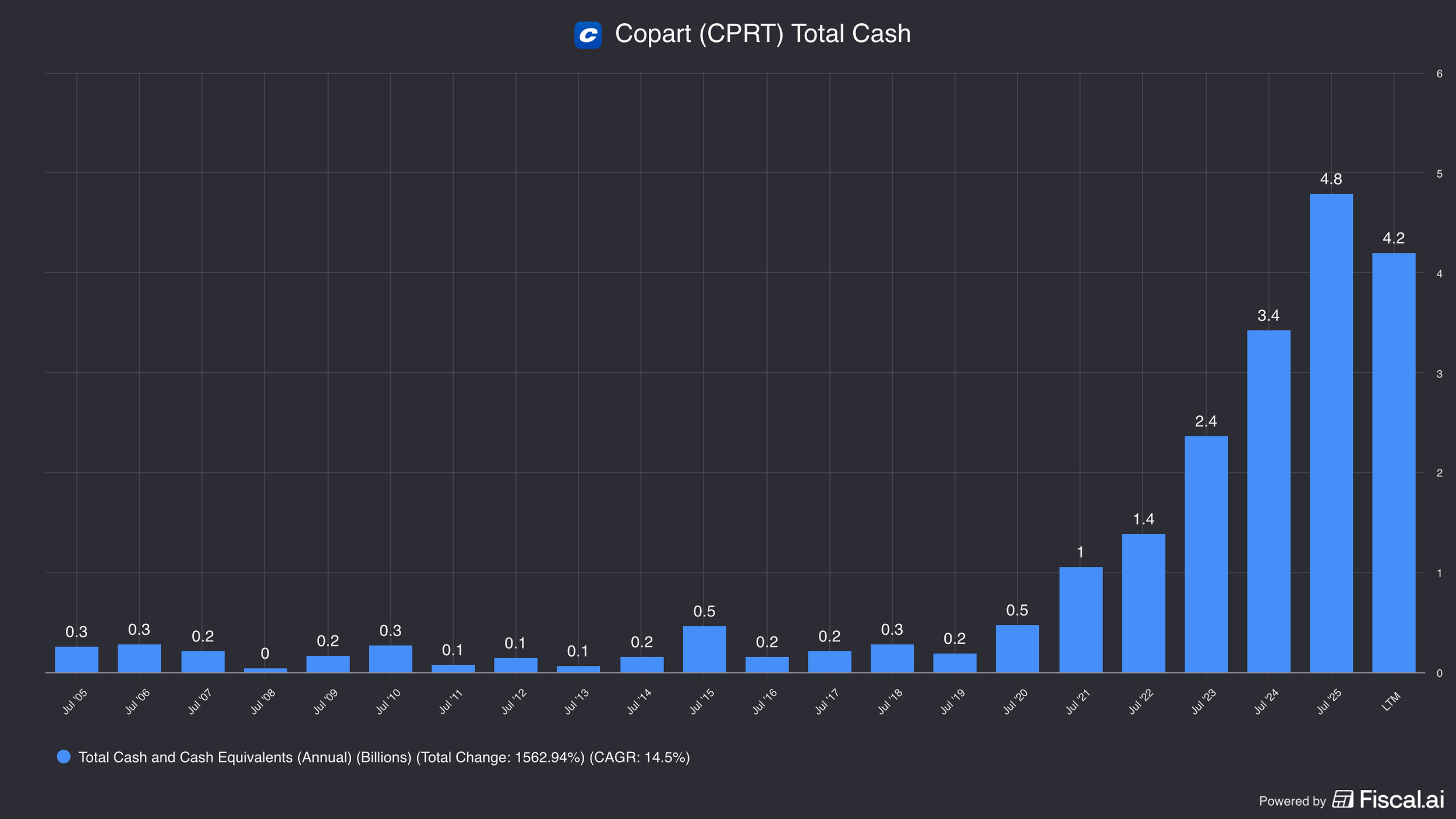
They have $4bn in net cash, no debt, which results in about $4 in cash per share.
Taking operating income and applying a 20% tax rate gets you about $1.35bn in NOPAT, that puts Copart at a 20x multiple against the current share price, or 17x if you back out the cash.
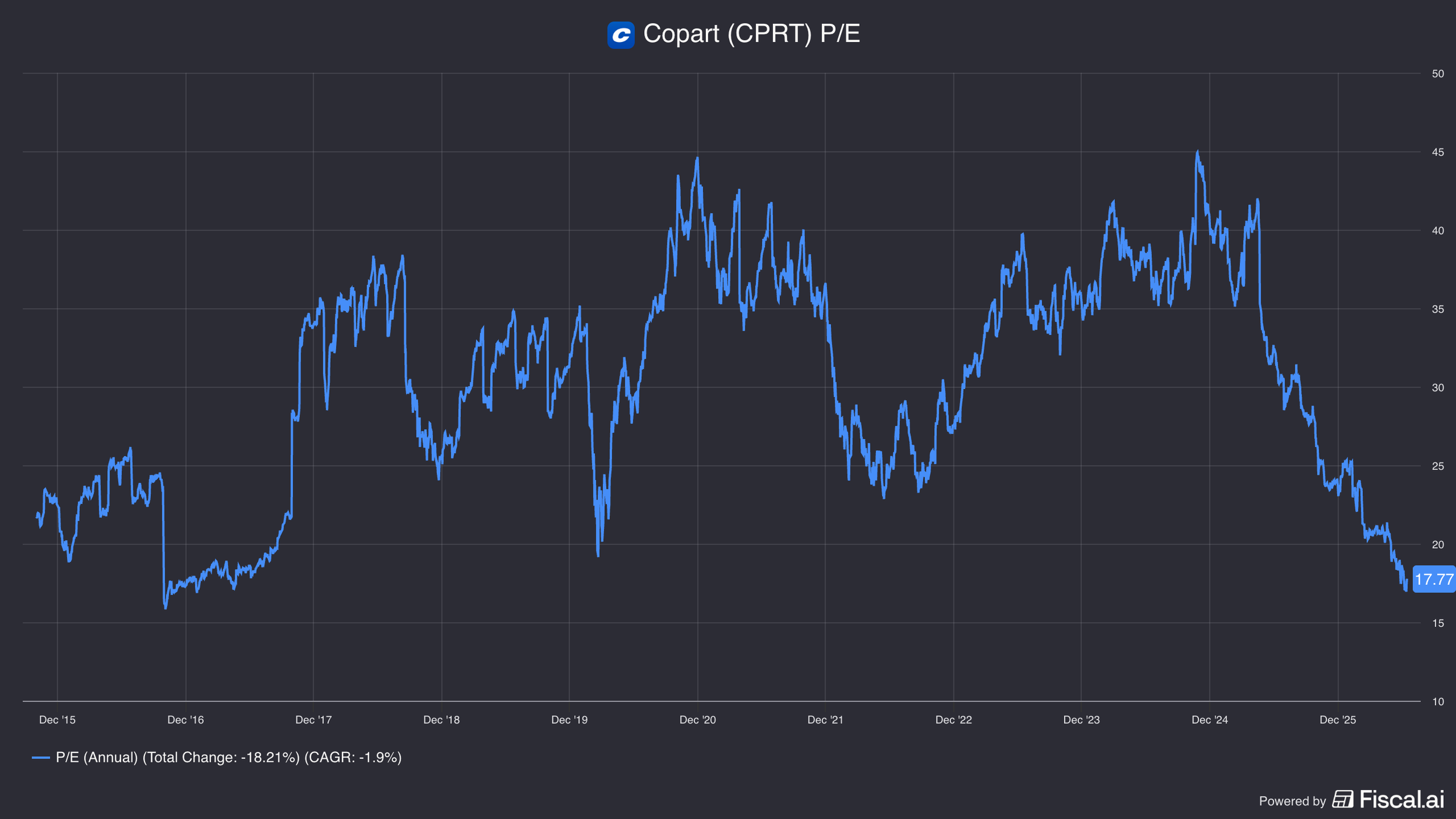
This is one of the lowest multiples the stock has traded at in over a decade.
The real question is what to expect in terms of growth, both reinvigorating the US business and keeping international strong, and that's likely why Jay Adair came back.
There's some cyclicality here that's out of their control, but the under-insured-driver headwind seems to have already hit the numbers and is more likely to turn into a tailwind than stay a headwind, and I don't expect much further share loss to Progressive.
There's no doubt the business is going through a rough patch, with US revenues down about 20bps y/y, but businesses don't tend to sell off -56% for no reason, and it's the investor's job to decide whether that's a real threat or whether the price more than compensates for it.
Valuation here really comes down to the growth rate you're comfortable assuming.
Inverting the question: if they're able to grow just 4-5%, a reverse DCF shows that gets an investor to roughly a 10%+ return at today's price.
If they can re-accelerate toward the high-single-digit growth they had before, returns look even better, and that growth rate could also justify a higher multiple, something like 20-25x instead of 17x, some multiple expansion on top of the growth itself.
Capital Allocation.
With $4bn of cash on the balance sheet, the obvious question is what will they do with it?
Management has floated acquisitions, though they've never really done big ones historically, more likely entering new markets or buying more land and yards in their usual roll-up style.
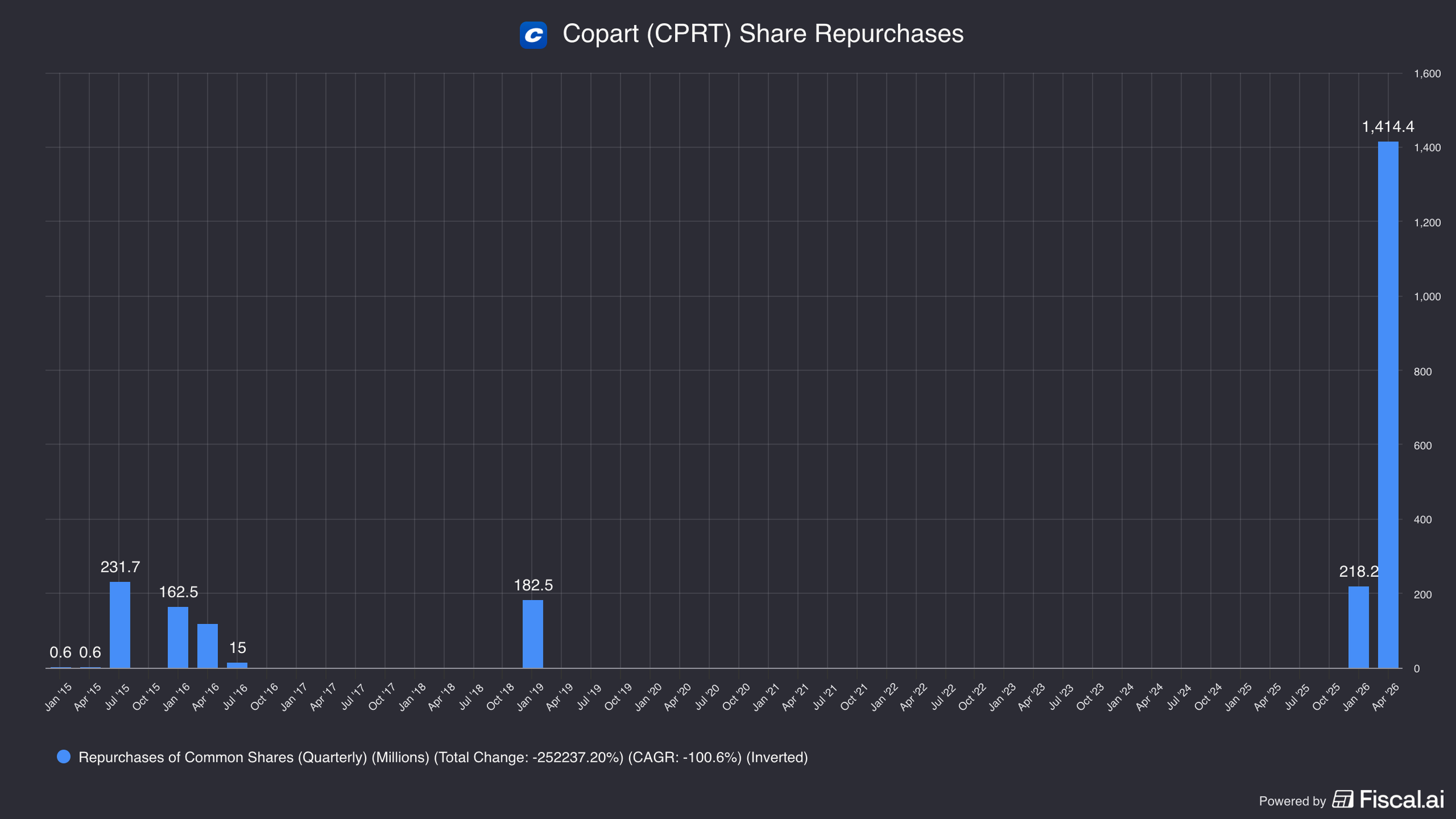
What they have done is stock buybacks, though buybacks aren't always a meaningful signal; Copart leaves cash on the balance sheet and buys back stock very selectively.
Its largest buyback ever came right after the financial crisis, once it became clear how resilient the business was, since falling car prices in a recession are offset by higher volumes, so they issued debt and bought back stock at the same time around 2011 and 2012.
Then didn't buy back again until 2015, a small amount in 2019, and nothing again until two quarters ago, when they bought about $200mn, followed by about $1.4bn last quarter, the largest single-quarter buyback in company history.
So is Copart a dying compounder or is this just a temporary headwind that will clear up in a few quarters or years?
Ultimately, investors have to make their own judgment on the risk here and whether the potential return is worth it.
For more on Copart, check out this video below.
Nothing in this newsletter is investment advice nor should be construed as such. Contributors to the newsletter may own securities discussed. Furthermore, accounts contributors advise on may also have positions in companies discussed. Please see our full disclaimers here.
