How Wall Street (Legally) Rips You Off
Get smarter on investing, business, and personal finance in 5 minutes.
This newsletter is an adaptation from my recent YouTube video on How Wall Street (Legally) Rips You Off.
There are over a hundred million words of regulation and over a dozen different independent regulatory bodies, all of whom regulate the financial system, and this has greatly reduced outright fraud.
However, you might be surprised to learn what is still legal.
For instance, it is a very common practice for the person who is giving you advice to be taking commission based off of the products they are advising you on.
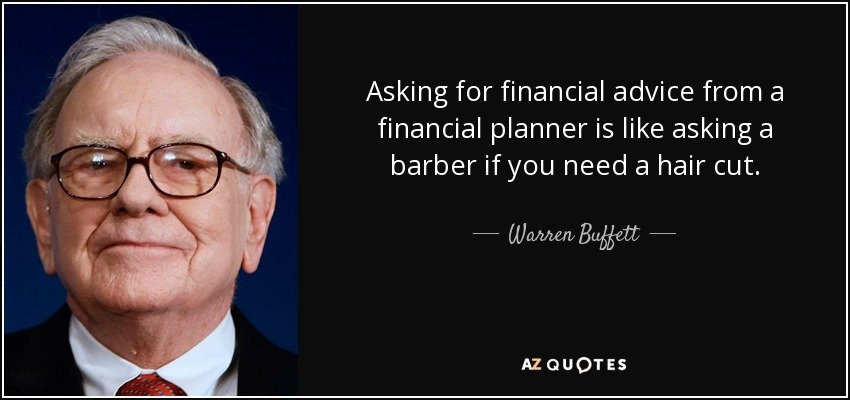
As Warren Buffett has always said, you shouldn't ask a barber whether or not you need a haircut, and regular investors do the equivalent of that on the regular.
And so in this week’s Five Minute Money, I’m going to share five key areas you really need to be careful on that are laden with hidden fees that you may not be aware of.
Hidden Mutual Fund Fees.
Mutual funds are one of the most common ways still that people get exposure to public markets, and I don't think people are aware just how potentially detrimental they could be to actually building wealth with all of these fees layered in.
There are three categories of mutual fund fees I want to touch on:
1. 12b-1 Fee
2. Loading Fees
3. Breakpoint Sales
The 12b-1 Fee.
The first one is called a 12b-1 fee.
This fee is usually called something like a marketing and service fee.
And it's technically broken up into two other parts, a distribution fee, which is 75 basis points, and a service fee, which can be 25 basis points.
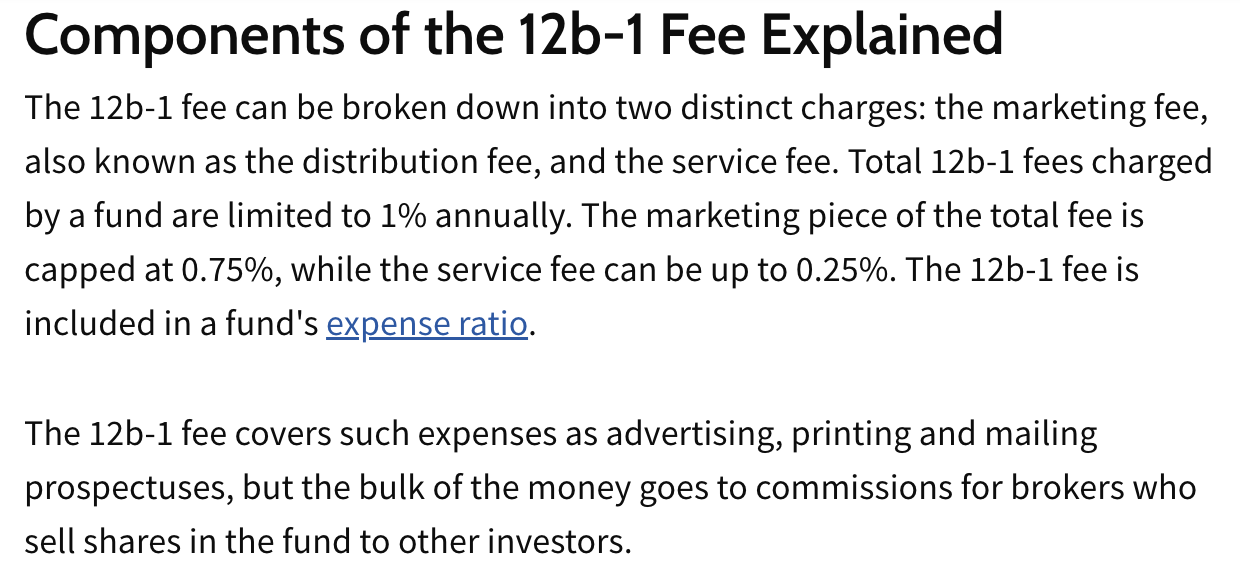
What matters is who gets this money and what is it for.
So even though it may be called a marketing fee, a distribution fee, a service fee, it usually ends up back in the pockets of the person who sold you the mutual fund.
And on top of that, it is an annual recurring fee.
So, what that means is that if you bought a mutual fund and you put $200,000 into it and the 12b-1 fee was 1%, that means $2,000 a year is coming out of your investment every year and very often it is indirectly going back to the person that sold you that product.
So you may be going to a salesperson asking them, "Hey, what mutual fund should I get?"
And you think you're getting some unbiased advice, and instead in the back of their head they're going, "Well, let's think…This one has a pretty high 12B-1 fee. That'll be pretty good for me."
Loading Fees.
What is a loading fee?
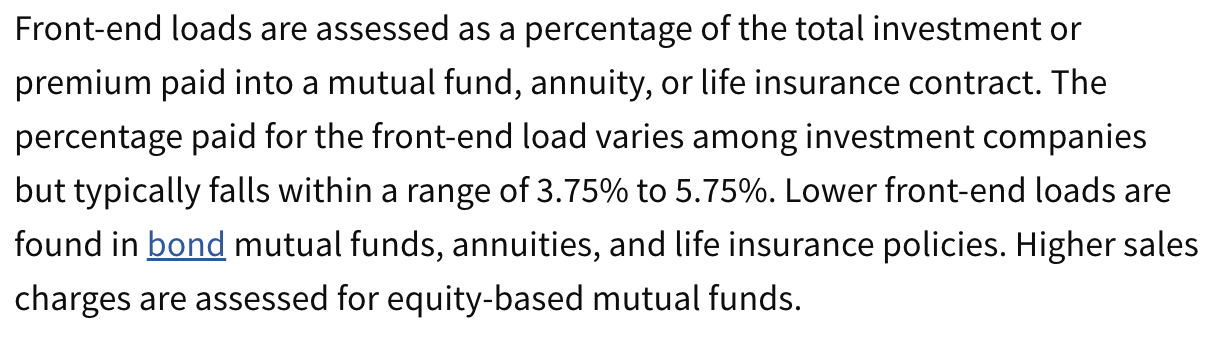
This is a fee that is charged upfront to the investor who gets into a mutual fund, and it could range anywhere from on average 4-5.75%.
Let me say that again, 4-5.75%!
That is an upfront fee that just takes away your initial investment and it goes to the salesperson.
No benefit to you there whatsoever, and your investment is immediately reduced by that amount.
There are two types of loading fees; 1) front-end loading fees, which is what I just talked about, and 2) back-end loading fees.
Let's say this investment salesman put you in this mutual fund and he said, "Don't worry, there's no front loading fee, but there is a back one, but it's not going to be applicable unless you're a short-term investor. If you're a long-term investor, that back-end fee will go away.”
The way it usually works is that you have to be in the mutual fund for 5-7 years for that back-end fee to start to be reduced.
It usually is reduced a little bit each year and then entirely.
And the reason why it is structured this way is because the salesman still gets his usually 4-5% upfront, and then the fund is starting to recoup that from their 12b-1 fee.
And then on the back end, they will charge you this loading fee if you leave early because that didn't give them enough time to recoup the fees that they charged to the salesman upfront.
Now, you want to avoid all of these fees.
You really should not be investing in mutual funds that require upfront loading fees and back-end loading fees.
Breakpoint Sales.
The last thing I want to say on mutual funds is be aware of break point sales.
So what this is, is once you put a certain amount of money in a mutual fund, let's say $50,000, the sales commission is supposed to be reduced.
Some unscrupulous investment salesmen are going to recommend you split your investment in a mutual fund across different families and mutual funds, so you don't hit that reduced commission, so they make more.
So for instance, if let's say you put $50,000 in a fund, the commission would have been reduced from 5.7% to 4%.
What they may tell you instead to do is, "Well, why don't you instead buy two different mutual funds for $25,000 each?"
And that way they're getting that full commission on each of those funds.
And the general thing to point for all of this, and this is going to be a theme, is that if someone is making money off of recommending you a product, that is going to be their primary focus.
How much money can I make from putting you in this product?
Not necessarily is this the best product optimized for you.
They have a lower standard that they need to meet, whereas if you are a fiduciary, you do have to make sure that that product is the best thing for clients, and very often, if there's fees in the product, it's not going to be the best for them.
Placement Fees.
The second area is going to be placement fees.
These are more fees that a salesperson gets to collect for putting you in an investment product.
These are very common in stuff like SPVs which is a special purpose vehicle.
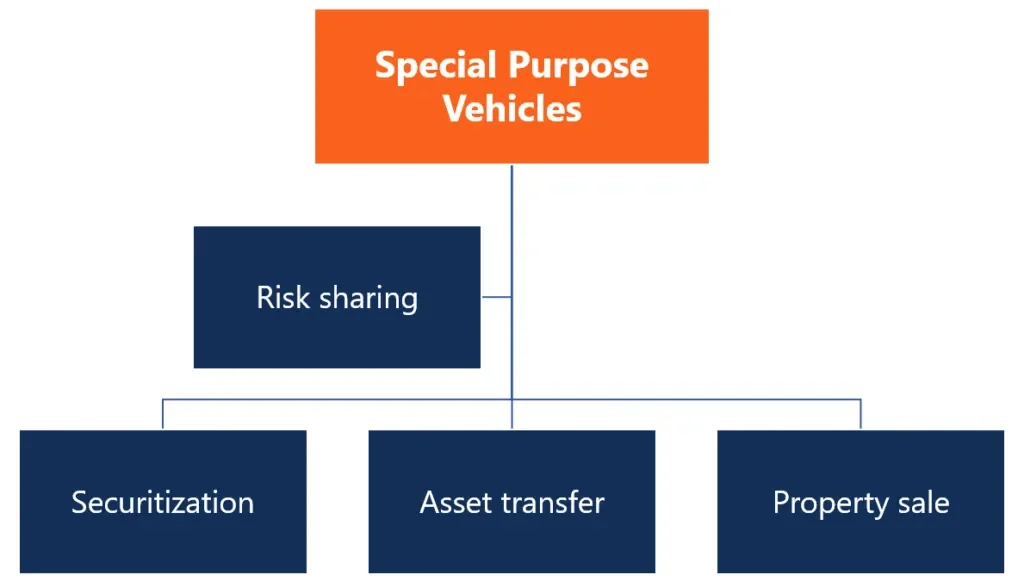
These are often designed and sold for, let's say, a pre-IPO company.
Maybe Robinhood five years ago, for instance.
You could get in their SPV.
It has pre-IPO stock that's locked up in there.
As an individual investor, you're not able to get access to Robinhood stock before IPO, and now there's an SPV that is a way to get in.
These placement fees, though, to get in can be anywhere from 2-10%.
And that money is just taken right off the top, put into the pockets of the people who created the product and who sold it, and then your investment in it is reduced by that amount.
Annuities.
The second product that has placement fees is to be very aware of are annuities.
Annuities are known to be loaded with very high commissions.
It could be, let's say, a 5-7% commission on average upfront.
They take a long time to decipher an annuity payment stream, and it's very easy to just pull money out initially from that, and the investor never really notices.
Because if you're putting $500,000 in an annuity, and then it's going to pay you out $5,000 a month or something way, way, way off far into the future, it's very hard to know, was that $5,000 the right amount?
Was it impacted by the fact they took 5% upfront, which in this case is going to be $25,000?
It kind of becomes invisible.
Non-Traded BDCs and REITs.
Another category are non-publicly traded BDCs or non-publicly traded REITs.
BREIT, for example, that's Blackstone's REIT.
They'll have a 3.5% loading charge up front.
And so if you went to a salesperson and tried to buy BREIT, you may be paying up to $35,000 on a million-dollar investment just to get in there.
And these fees, again, can go up to 10%.
But you’re not always charged this, though.
And that’s going to get to the next category of things to be away of, which is that there’s different share classes that are going to charge you different fees.
Share Classes.
This is crazy but it is just how Wall Street works, because it is the same underlying asset you're getting.
But depending on who is selling it to you and your relationship with them, you could be charged more and more fees.
If we look at BCRED, this is Blackstone's private credit fund.
They have three different share classes.
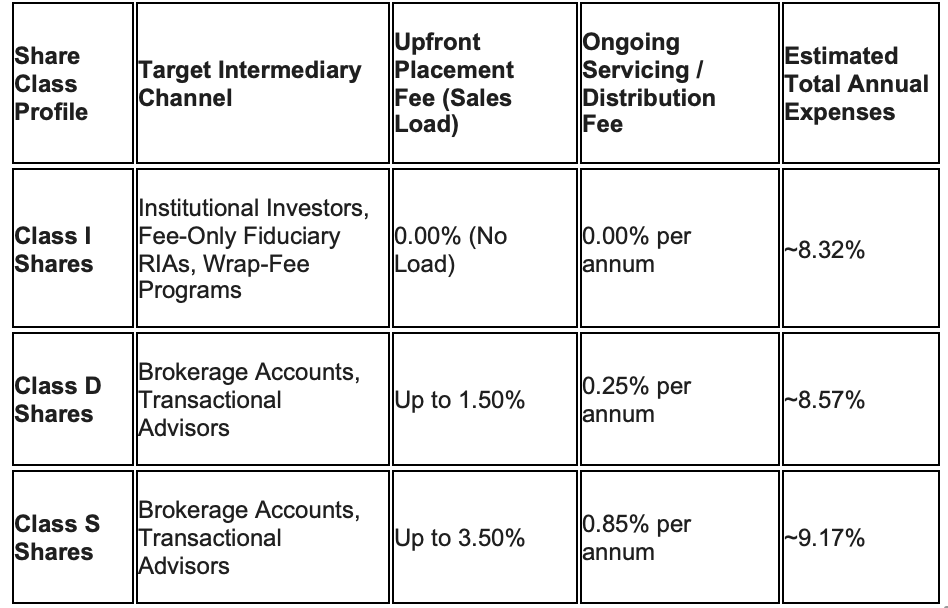
You notice immediately, at least I did, that there's one share class that doesn't charge a placement fee and doesn't have an ongoing service fee either.
It's both 0%.
And who gets that share class?
It is if you're getting it through a fiduciary.
If you're not, well, they have two other share classes for you.
One of them has a 1.5% loading charge, and the other one has a 3.5% loading charge.
The one with the 1.5% loading charge is also going to charge you 25 extra basis points a year, just because, and the other one will be charging you 85 basis points a year.
These fees are there not for Blackstone to profit off of in this case, but it's to get the person who is distributing their products, who's talking to investors, to push these products on them because they're getting more money, they're getting more commission.
And so that's another big category to be aware of, is funds with multiple share classes, and you should always try to figure out what the different fee structures are if you're being pushed into a share class that has a much higher fee structure or not.
Structured Products.
The fourth category I want to talk about is structured products.
These are so much fun because they are super confusing, and you can read the 75-page prospectus, and I've seen a good number of these.
They're kind of cool in some respects because they're combining all of these different features of equity exposure and fixed income exposure and options and all of these different things to create this synthetic product with synthetic exposure, where you could sometimes pick your underlying assets, you could make it set to the Nasdaq index or sometimes pick specific stocks.
And there are all different ways that they could structure these because, as the name implies, they're structured.
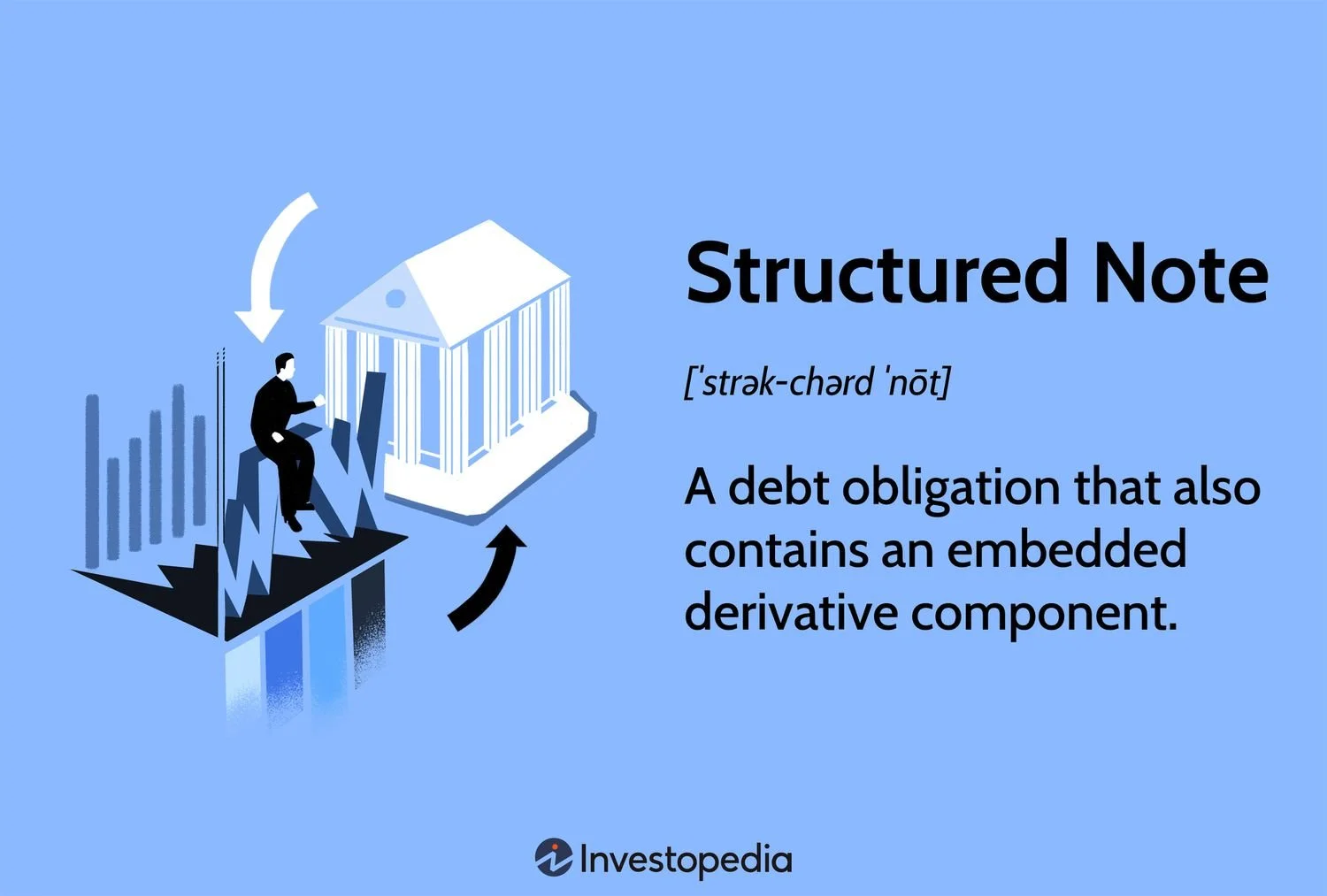
Wall Street will come up with anything.
Now, the thing you need to be aware of is that there are fees embedded in them.
So let's say that you are buying a $100,000 note.
Right away the fair value of that note is going to be anywhere from $95,000-97,000.
And the difference of that $3,000-5,000 that's taken off top is money that is going back basically to the salesperson inadvertently and the bank that is making all of this.
So it's not usually noted as a fee.
Instead, you're just buying this product at a discount, basically.
And the thing about these is these are not long-term investment vehicles.
These are products that are usually designed for one year, sometimes two years, and very often they're being sold and rolled beforehand.
So the person who is selling them to you, the wealth manager, for instance, they can just roll them maybe every six months, pick up a 3% fee every time they're doing that.
And that's the game they play.
And surprise, surprise, they find that these are very good products for you.
They don't think it has anything to do with the fees that they make off of them.
It's just totally coincidence that this also happens to be a good product for you, right?
And I think the general lesson here too is just because something's more complex, it doesn't mean it's better, and they're probably figuring out some way to screw you.
That is just my blanket rule of thumb.
There are certainly exceptions to it, but the more complex something is and the harder it is to understand, the more chance there is also for something to go wrong and for them to take advantage of you.

A lot of times these structured products are sold for having some sort of downside loss protection, where, let's say, if it's based off of an underlying index like the Nasdaq, well, as long as that Nasdaq doesn't drop below -20%, you're going to at least get your money back or something like that, plus some fixed coupon.
But then they don't tell you or emphasize quite as much that, well, if it's down more than twenty percent, you're losing money pari passu with the underlying asset, which just means, in equal footing.
And so if it's down -30%, then you are too, and you just paid a bunch of fees on top of that, and you're still stuck into it, and it won't necessarily have time to recover.
So it is impairment, which is different than if you're just invested in the index.
And of course, this happened as recently as a couple years ago that the Nasdaq fell this much.
Double-Dipping Fees.
This is very common with fee-only advisors, which I am, as well as even in private equity funds, this happens.
So what this is, is it's basically multiple layers of fees.
So if you have an investment advisor, they're going to charge you, say, 1%, sometimes more, to manage your assets.
Then what they're going to very often do is they're outsourcing the actual investment management to other people.
And so they're going to do this by buying you maybe a mutual fund.
Maybe they put you in another investment fund.
Maybe it's a hedge fund, but it also has its own investment management fees, its own carry on top of that.
And so you're not only paying the fees of the advisor, you're paying the fees of the investment manager as well.
Now, one thing I do differently is I do all my own research, and I don't outsource anything.
So that eliminates that double layer of fees that I'm not so fond of because we know how fees are just going to weigh on your performance over time.
And so, be especially careful if this advisor is not a fiduciary because then they don't have to act necessarily in what could be considered your best interest.
Even if they are a fiduciary, they could still recommend you these other products that have a lot of other fees layered on top of them.
They could still put you in a mutual fund.
They could still put you in an investment fund.
They could still put you in these different non-traded REITs, SPVs, all of these things that have all these layers of fees.
Now, the other thing that kind of falls under this double-dipping that I don't hear people talk about quite as much is private equity funds.
They will not only charge you an AUM fee, which is, let's say, 2% of assets under management, so you give them $1 million, they're taking $20,000 a year.
They're also going to take 20% of the profits.
But on top of that, the companies they end up buying, they may charge those companies monitoring fees, transaction fees, collect board of director fees from them.
And so the SEC is a little bit more aware of this in trying to clamp down on this activity somewhat by making it be reimbursed by the AUM fee.
But this is still something that can happen.
How to Actually Protect Yourself.
A lot of this is just ways that you get ripped off, right?
You go to make an investment, and how much money you end up actually investing is much less than it should be.
And because when you're dealing with finance and investing, the numbers are very big, right?
If you have a million dollars and you pay a 3% placement fee, that's $30,000
Think of how long it might take you to save $30,000.
But when they just clip it off the top of your entire life savings, it doesn't become so apparent.
So this is a lot of activity I can say I'm not too fond of.
But what you can do if you want to do a little bit better is if you are working with an investment advisor, make sure they're a fiduciary.
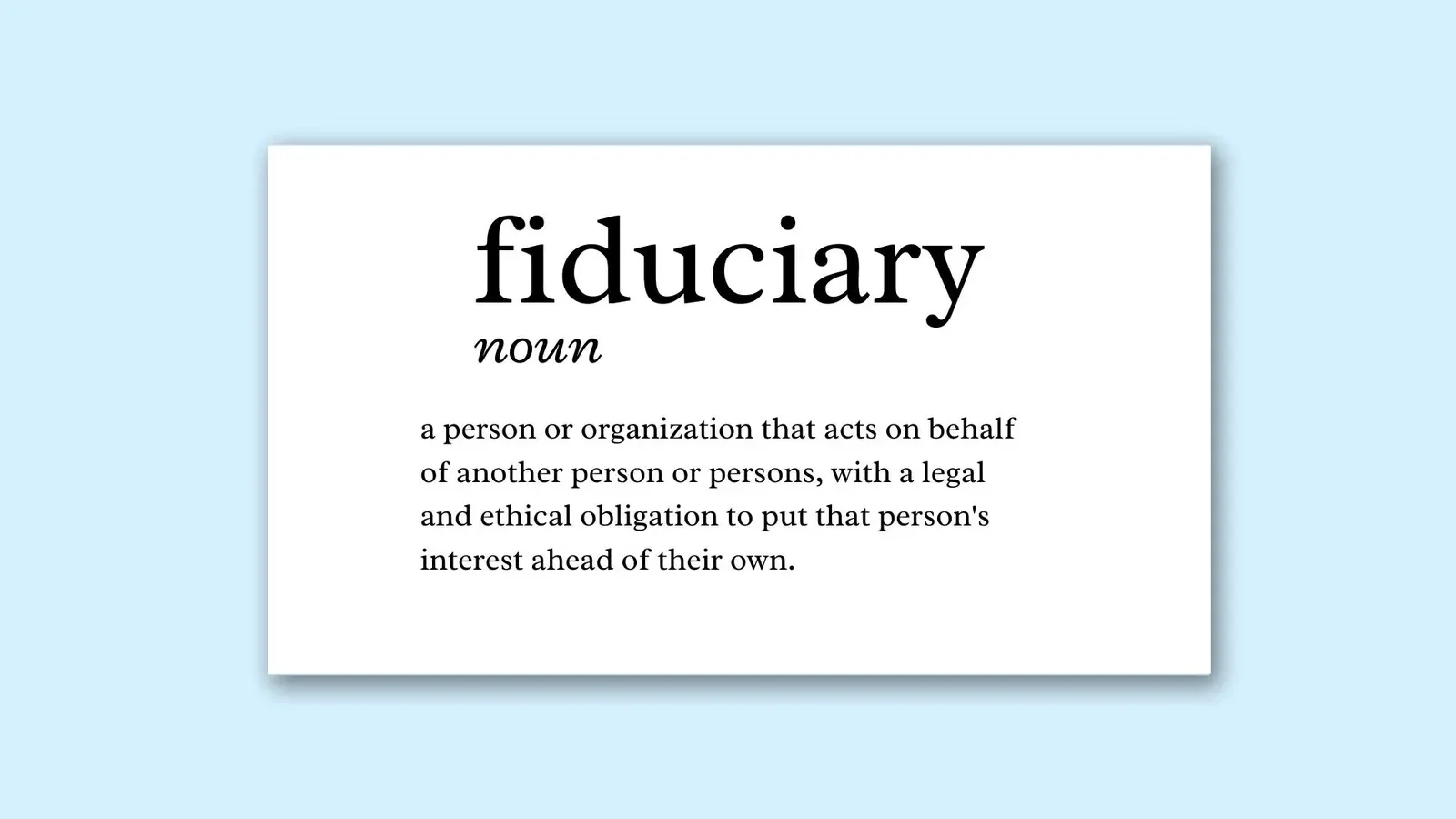
That is going to be the top thing.
The second thing is just going to be avoiding a lot of these fee-laden products.
So if you are an individual investor, I think a lot of times, to just get broad market exposure, you're better off with passive ETFs.
You're better off with VOO.
VOO charges 3 basis points.
That is the expense ratio.
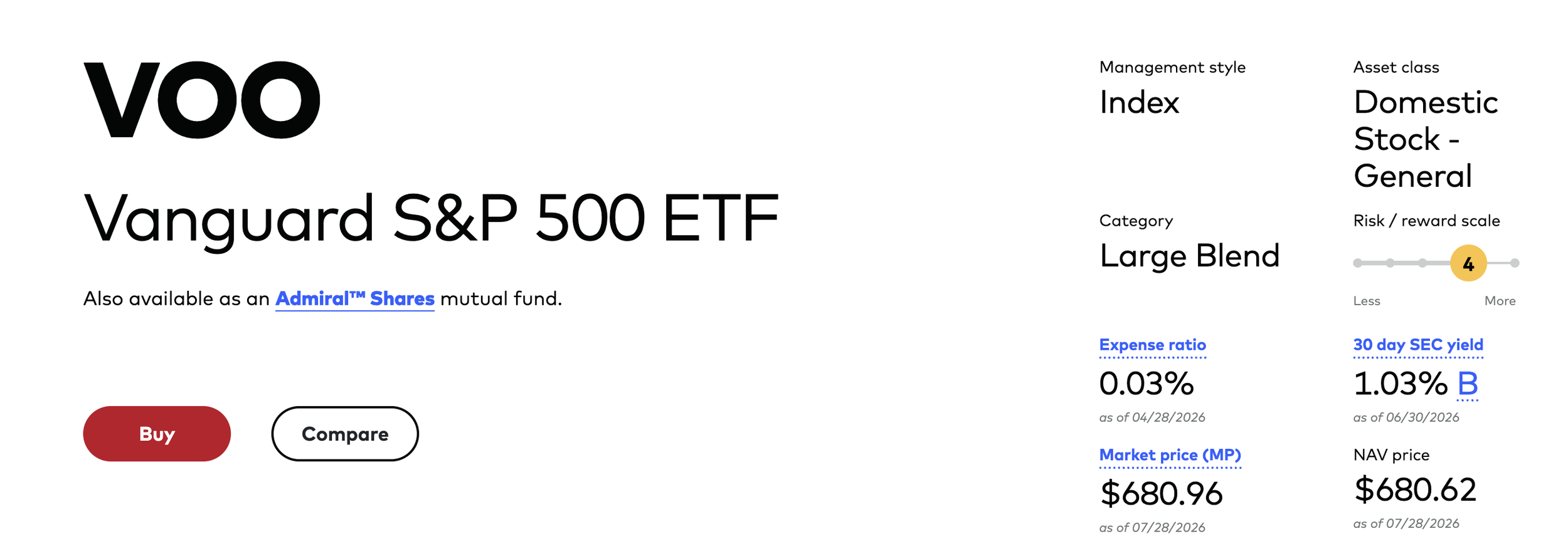
Whereas if you're in a mutual fund, even if they don't charge you a loading fee, which you have to be careful to check that and make sure there's not a 12b-1 fee, the expense ratio is still higher than that.
And we know the performance doesn't tend to be better.
So, that's another thing is I would probably focus on ETFs over mutual funds.
And the last thing is a little bit more philosophical but no less important, which is keep it simple.
I really think that this is an important foundation of building wealth, where you never hear of anyone gaining incredible wealth through buying a bunch of structured notes and rolling them over every six to twelve months.
That's just not how it works.
Maybe you're collecting up some fixed fees up front from the payments it's making you, and then you blow up at some point.
Either way, it's not a path, in my opinion, to sustainable and replicable wealth.
Whereas there are a lot of stories of people that will buy great companies, buy great stocks, park their money in an S&P 500 ETF, and look back in 30 years and their retirement is set.
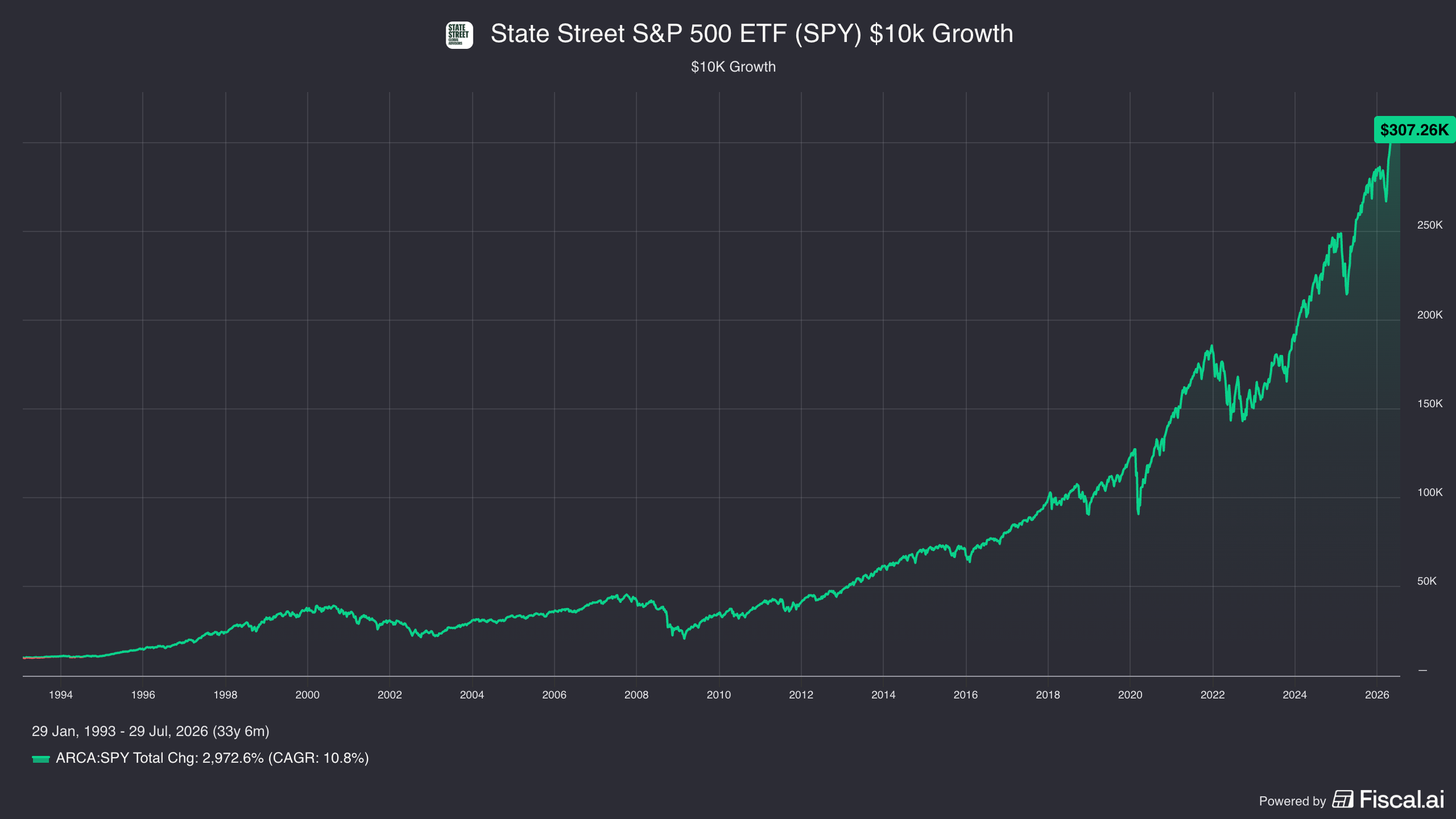
And I always like to say that you'll see some people that became billionaires from being long-term investors, Warren Buffett, one of the more notable examples.
But what you will find is that, the private equity billionaires, they get there from owning the management company.
They're not actually invested in their funds.
All of their wealth is in the management company that is taking the fees, not in the actual underlying investments.
And so my simple way of thinking about that is, "Okay, I'll own individual companies, and I'll be a long-term investor, and I don't need to invest in esoteric products in order to necessarily generate a return."
Now, I don't want to say that there are no good private equity funds or there are no good venture capital funds.
There certainly are.
There are great funds out there.
More often than not, you will not be able to get access to them, and if you can get access to them, your access is going to be dependent on paying very, very high fees, which is going to negate most of the benefit.
And so all of that is something to keep in mind, and you shouldn't feel, honestly, like you're missing out on anything if you just keep your wealth building very simple.
The big takeaway of all of this is that if you are looking for outside help to manage your money, look for someone who is a fiduciary.
If they’re not a fiduciary, they don’t actually have to act in your best interest, and there are all sorts of different ways they can rake in extra fees at your cost.
For more on How Wall Street (Legally) Rips You Off, check out this video below.
Nothing in this newsletter is investment advice nor should be construed as such. Contributors to the newsletter may own securities discussed. Furthermore, accounts contributors advise on may also have positions in companies discussed. Please see our full disclaimers here.
