10X Your Investing in 3 Months (Reading List)

Get smarter on investing, business, and personal finance in 5 minutes.
This week’s Five Minute Money comes from a recent video I recorded after being asked for book recommendations and what I did when I started out to improve my investing abilities.
I lost money doing all sorts of silly things in financial markets.
In the course of 3 months though, I was able to eliminate most of my folly.
The secret?
Reading.
And after reading a lot of investing (and other) books, I felt I understood investing immensely better.
I actually made my first investment too around that time (everything I was doing prior, I would consider speculating… or gambling).
That “first” investment was Apple and lucky for me I still hold those original shares.
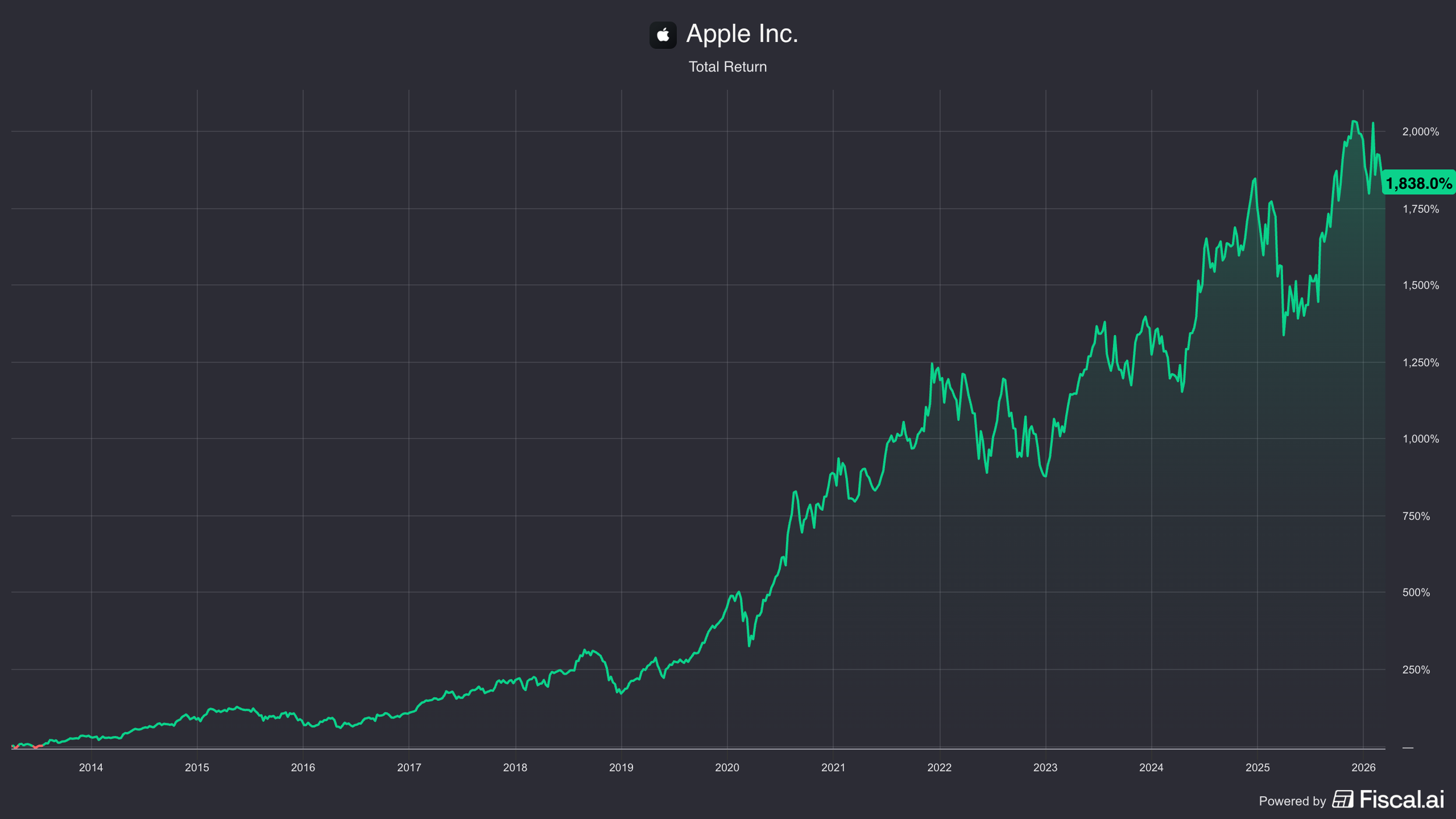
Now this isn’t a do this and you will make money pitch.
It’s the opposite actually.
I want to help you to stop losing money.
And once that is done, you will be in a better position to find investments that work for you.
While I worked at Goldman Sachs and Capital Group, my more important credentials is all of my past losses.
What I say right now may scandalize you because you probably know me as someone who focuses on the long term, seems to invest in high quality companies and is not someone to trade.
But I used to do all sorts of shenanigans in financial markets.
I used to trade double leveraged ETFs.
I used to trade option contracts, silver contracts, tried my hand at commodities trading. I was a volatility trader for a little while.
I was invested in Chinese biotech companies. I had two companies that I owned turned out to be entirely fraudulent.
They actually froze the trading on the stock market for those two stocks. When they reopened it, they were penny stocks, lost all of my money there.
I have followed investors like John Paulson into bad trades like a Romanian gold mine stock that went to lose me money.
And so I've had all sorts of experiences doing everything that doesn't work in investing.
Thankfully, I got my education in early because that was all in high school.
Then I was doubly thankful for finding Snowball and learning about Warren Buffett.
But that was also just the beginning.
That was really me just trying to understand what investing is and what it's not. Because everything I was doing before, as I found out later, wasn't investing because I was very lost.
The summer before college, I did this self-study reading program, where I really was able to improve a lot of my investing abilities.
It really had to do with just a lot of reading.
While there is no single book that will make you an investing genius, I’m going to mention specific books I read that will help you put together enough of these pieces that, like a mosaic, will eventually become clearer.
Books.
Elliot Wave Principles.
If you're still not fully convinced that trading doesn't work, that you can't just look at a stock price chart and know whether or not it's going up, I really recommend you read Elliot Wave Principles.
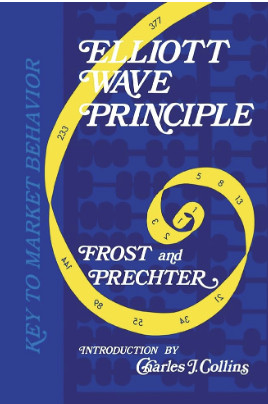
This is a book about Elliot Wave theory.
If you're not familiar with it, it's a whole theory about trying to predict different ways stock prices move up and down.
There are different charts and patterns.
It's like the 1, 2, 3, 4, 5 pattern, the A, B, C pattern, and it's all these different patterns, sub patterns.
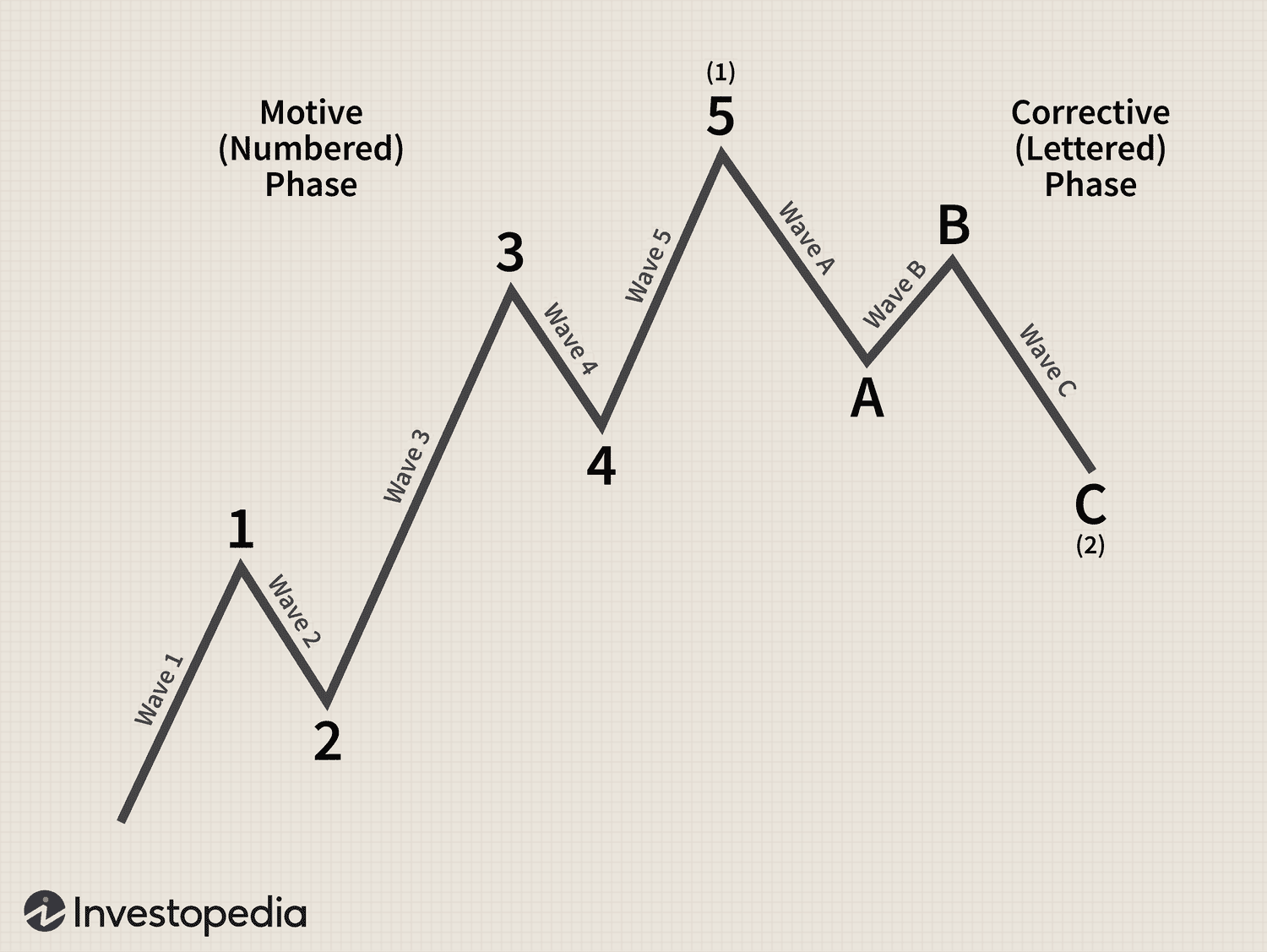
And I remember reading this book when I was in 10th grade and it was all about trading.
And I really thought there was like deep insights into this book. It was just a matter of really understanding the patterns of the, the stock market and the way the prices move because it's all about the herds and, and the way the psychology of the masses works. And there must be a pattern.
And I read this book and by the end of it I realized it was all “BS” because the thing about this book is it has multiple additions that would continue to come out and they would continue to update their predictions of how the market should move.
And what was happening was basically as new events came in, they would try to refit the theory to fit to all of the new stock price movements.
What that basically means is that the predictive power of it wasn't that high.
And it's something about just reading it, even when I was young, I kind of just realized it was kind of “BS”.
So if you haven't actually had an experience reading one of these, like kind of more technical trading books and you still think there's a lot to it, I really recommend you read this book or a book like this because it's going to get rid of all of those illusions.
It's going to just allow you to move on from that as an idea that you can become a great investor by having no other information than looking at a stock price chart.
Now I am kind of on the end that technicals really don't do much and really aren't helpful.
I'm not going to say there's nothing to it because if enough people look at it, then it kind of becomes a self-fulfilling prophecy in a way.
But if you still think there something to it, then you may need your own experiences of learning first-hand the results that practice tends to lead to.
The Snowball.
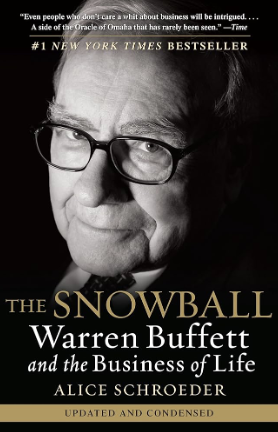
The first book that really helped set everything apart for me was the biography of Warren Buffett called Snowball.
I highly recommend this to everyone.
This is a very good starting point because it’s going to help you understand value investing.
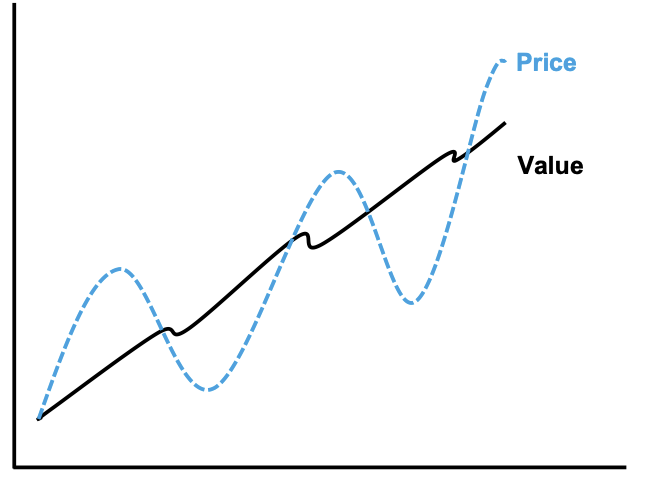
Over time, investing is basically realizing that there's a difference between the underlying value of a business and the stock price.
The price is really just perception.
You could move out the word price and just put in the word perception.
It is the perception of value, but it itself is not value. value is what comes from actually valuing basically the underlying assets that the business has, really the stream of cash flows.
And so the difference between what's typically called value investing in anything else you're going to do is when you're value investing, you're coming to the belief that the stock price does not reflect the full valuation, the true underlying value of a business of a stock, when a stock, of course, is just a part ownership in a business.
And so once you get to the point that you realize that the stock price is different from the underlying value of the business, the question becomes, How do I know what the underlying value of the business is?
And that is really where all of your analysis comes into play, because it's actually kind of trivial figuring out how to do a DCF, a discounted cash flow model, which is when you look at how much cash flow a business is going to have from today to far out into the future, and then you just discount it back to today, which you really is.
But then the question is, What are my cash flows going to be 20 years from now?
That is where a lot of the hard part of investing comes in, because it's very easy to model something out. It's very hard to know if it's accurate.
If you are a value investor, this is what you're trying to do.
You're trying to understand the value of the stock is being separate from the stock price.
If you're doing technical analysis, like Elliot Wave Theory, you believe the stock price has information in it of itself that is going to dictate where the stock price goes in the future, and you're kind of ignoring the business as a whole.
The Intelligent Investor.
The next book I'm going to recommend you read is Intelligent Investor, a 1949 book by Benjamin Graham in specific focus on Mr. Market and market psychology.
Benjamin Graham has this idea of something called Mr. Market, and the idea of Mr. Market is that the stock market you can imagine, characterize it really to be a human that is very emotionally imbalanced, if you will, and sometimes Mr. Market offers you a really good discount on all of these different businesses, and other times it's going to charge you a stupidly high price.
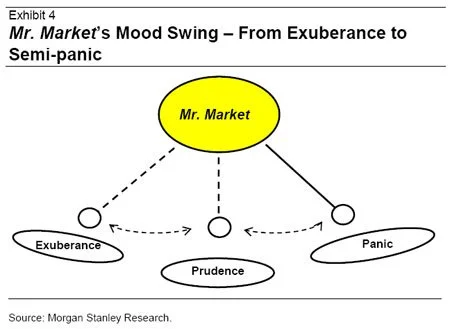
The idea here is to really characterize the stock market as being a human because it is, of course made up of humans with all sorts of different emotions.
And if you were thinking about an individual partnership that you owned, it was like a business that you had real cash flow in.
Whether or not you're going to buy or sell your shares, it's not going to be really at the whims of what this guy is throwing these numbers out to you.
Sometimes these numbers are going to be crazy high, other times crazy low, and you're not going to really put much weight into it.
But, and this is the big exception, if he does give you a crazy low number, maybe you'll buy his shares from him at that price.
Or if he gives you a really high number, then maybe you'll sell some.
That’s the idea of Mr. Market and that ties into this idea that the underlying value of a business is separate from the stock price.
The stock price is there to get you in and out of the business, and it's there to really serve you.
Common Stocks and Uncommon Profits.
Warren Buffet talks about how his investing style started a lot as Ben Graham, and later on it moved to more Phil Fisher, so that's going to be the next book you should read: Common Stocks and Uncommon Profit by Phil Fisher.
Phil Fisher was a really old school growth investor, and he focused a lot more on business quality.
A byproduct of focusing on business quality, not always, but generally tends to come with more growth as well, because a better investment is going to be one that takes the assets they have and it continues to reinvest it back into the business.
And the real value of the business is not in the actual assets they have but from their ability to create a high return on invested capital.
The Making of an American Capitalist
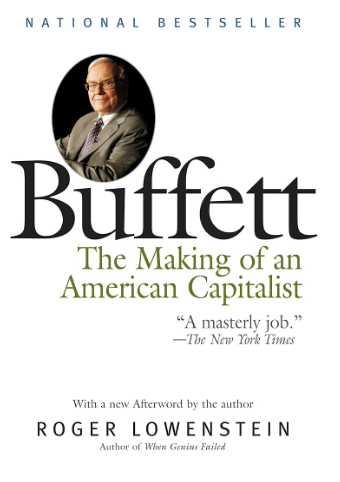
The next book is going to be another Warren Buffett biography, The Making of an American Capitalist.
There's a lot of other Warren Buffett biographies out there and you should read all of them, but the point is that once you get the message and the idea of value investing, over time, you're coming back to it over the years.
It's just good to kind of continue to go back and get re-grounded in kind of some base investing lessons.
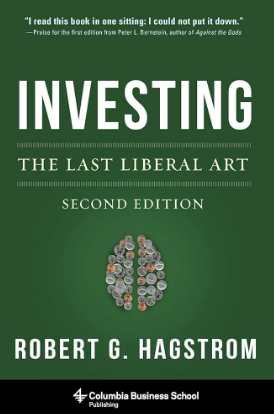
Investing: The Last Liberal Art.
This book really made an impression on me and got me really thinking that I just need to read a lot more and reading was what's going to allow me to become more intelligent, helped me figure out how to invest better.
And this book was encouraging you not just reading a lot of investing books, but just reading a lot in general and learning more about the world.
And the idea is that the more you learn about different things, the more you'll be able to create metaphors, the more you'll be able to have unique ways to think about the world “mental models”, as Charlie Munger would call them.
And this helps inform your ability to look at new situations that haven't maybe happened before, and you need to contextualize them.
There's a lot of things happening now with AI, for instance, and software stocks, but this is not something that's happened before.
And so your ability to think through different situations and what can happen in the future, it's going to be basically a byproduct of kind of a lot of the data that you have in your data bank.
And so just having more familiarity with different technological transitions across time, the way different businesses have handled different disruptive technology, all of that is what's going to allow you to basically think about this anomalous situation and try to take an opinion on it.
One Up On Wall Street and Beating the Street.
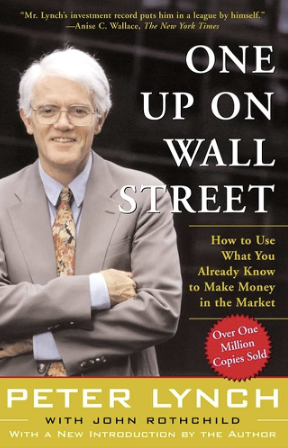
The next books are going to be both of Peter Lynch's books, One Up On Wall Street and Beating the Street.
Peter Lynch was a well-known investor at Fidelity.
He had a very good long record, and was also more of a qualitative-focused type of investor.
These books are great because he gives a lot of specific examples of companies he actually invested in and his investment rationale.
Berkshire Hathaway Shareholder Letters.
Realistically, you probably should read this more than once but definitely read it at least once.
This is going to be giving you a lot of wisdom directly from Warren Buffet himself, and it's going to help you see how to apply a lot of this value investing, ideology.
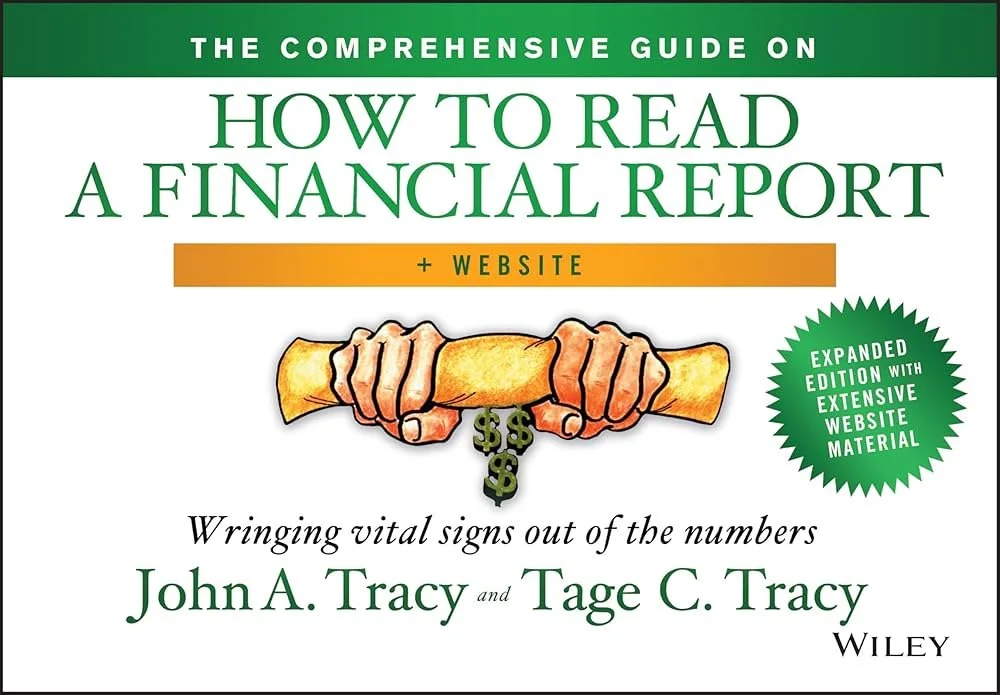
How to Read a Financial Report.
This was one of the first accounting books I read.
I always get people asking me, how do I learn more accounting?
Because accounting is the language of business, so understanding accounting well is critical to understanding how to read a 10k, for instance.
This book is a really good place to just get started.
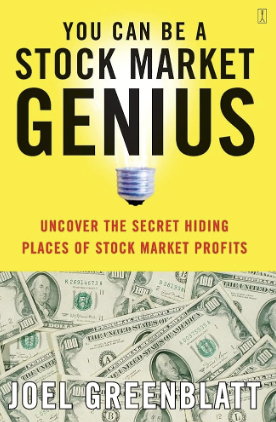
You Can Be a Stock Market Genius.
The next book you should read is You Can Be a Stock Market Genius by Joel Greenblatt.
Joel Greenblatt is a great investor with an impressive track record.
He does more special situation investing and in this book, you'll understand what that is.
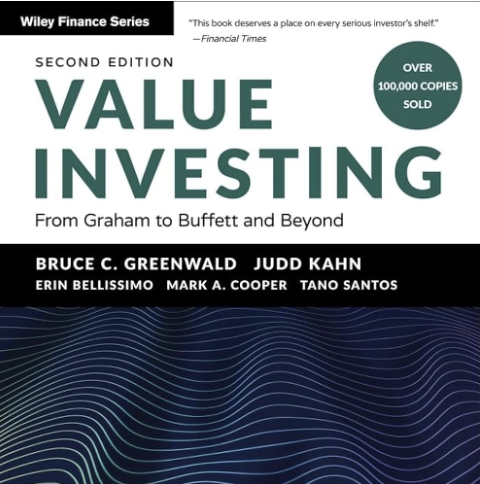
Value Investing: From Graham to Buffett and Beyond.
Another question I always get is how do I actually apply this analysis?
This book is for you.
This book is going to show you actually how you do a DCF.
It's going to give you an example of an actual business modeling out the cash flows, the actual, you know, formulas you use.
So read this book if you want to get that technical layer of how to actually model out a business.
Investor Psychology Books.
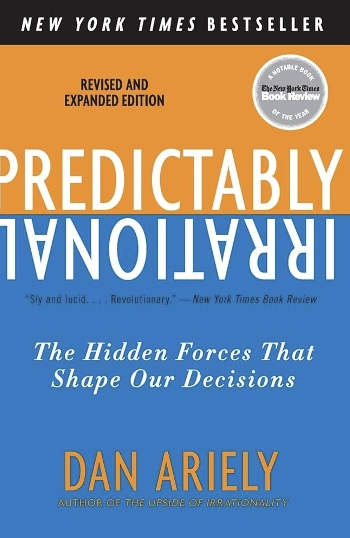
Predictably Irrational.
The psychological aspects of investing are just as important, if not more important than the business analysis itself.
People realize how much of investing is, is what do I do with my decisions and these different blind spots we have where we anchor to pass prices, where we have all these heuristics that prevent us from making a great decision.
The Black Swan.
The next book is going to be The Black Swan by Nassim Taleb.
Whether or not you figure it out in life that a lot of people don't know what they're doing.
And there's this certain kind of belief, I think when you're a newer investor, that someone's a professional management team or you know, an executive in the business for a couple decades, and so they got to have a firm grip on what they're doing.
I think you need to get to the point that you kind of destroy a little bit your belief in authority, because a lot of times people are going to make, arguments from authority and an argument from authority is going to basically be when you're not actually supporting the argument itself with evidence, instead you're kind of talking about why you should believe me.
And so this book, The Black Swan, did a couple things for me.
It really helped give me more confidence in the fact that a lot of adults, while I was 18 at the time, didn't really know fully what they were doing, which was kind of important if you're an investor and very often you're taking a side against.
An investment institution, you're taking a side against sometimes a professional investor who does this.
And that's not to say you should be dismissive of them in their opinions and research and all that, but just that it does happen where there are people who are in these big positions who don't really know what they're doing.
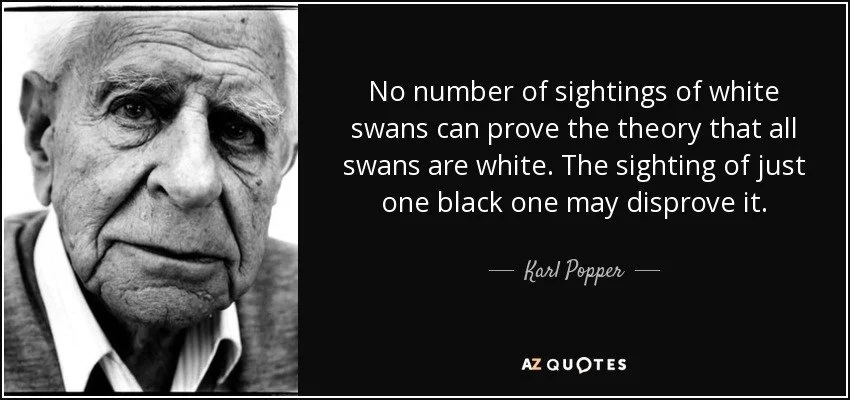
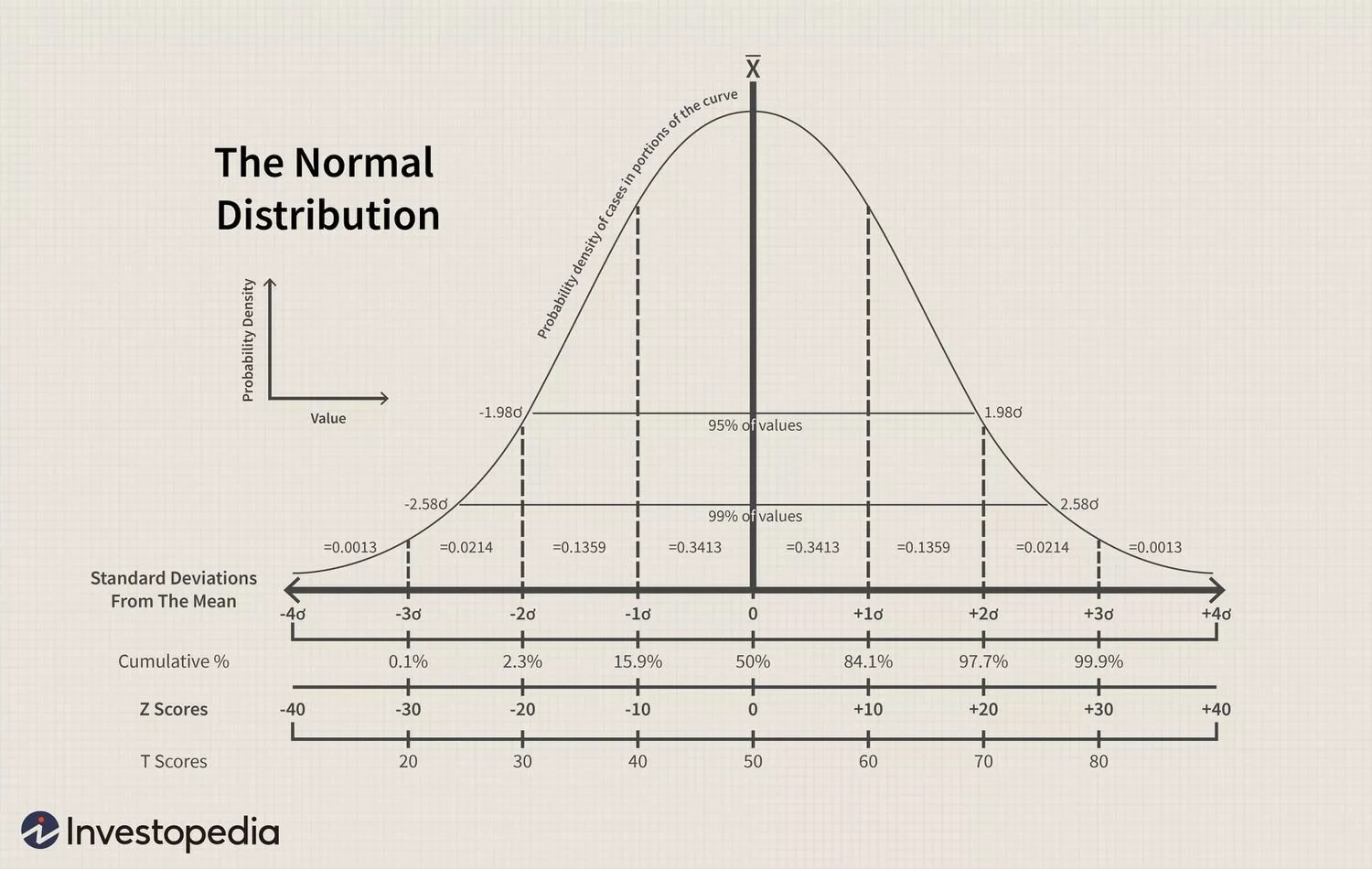
Black Swan, of course, refers to a Karl Popper idea where no amount of collection of white swans, disproves the existence of a black swan. So, it has to do with probabilities and evidence gathering.
If you're looking at a normal probability distribution, the tails don't properly account for these very, high impact events which are actually higher probability than what people think.
Examples like the financial crisis, Covid, the tariff selloff, all of these different, examples where the market sold off a lot.
People tend to categorize them as being rare and not very common, but his point is that if you look at kind of all these events, they're actually much more common than people appreciate.
Whereas if it's like a standard model of probability, these should be like one in a million year events, but instead these one in a million year events are happening every couple decades.
What Intelligence Tests Miss.
This book talks a lot about the difference between what we consider to be intelligence and rationality, and why smart people can do stupid things.
Another great book on human psychology.

The Alchemy of Finance.
This book is by George Soros.
He's kind of really the only successful trader that's like a multi-billionaire.
You'll kind of see how he thinks and his investment philosophy.
He also introduces an idea of reflexivity, which can kind of dispute the value investing idea that we're talking about earlier where we are saying the stock price is separate from the business.
Because he talks about times when the stock price influences the business and there are times where that's the case.

Hedge Fund Market Wizards.
Just to provide you some perspective, this is going to be a book about a lot of different traders, really, a broad variety of different investors.
There is a Ray Dalio profile in there, but also a lot of lesser known traders.
And so I don't recommend that you get into trading necessarily, because again, I don't know too many people that have a very long successful track record of it, but for some (very rare) people it works.
And so, I still want to provide you that perspective.
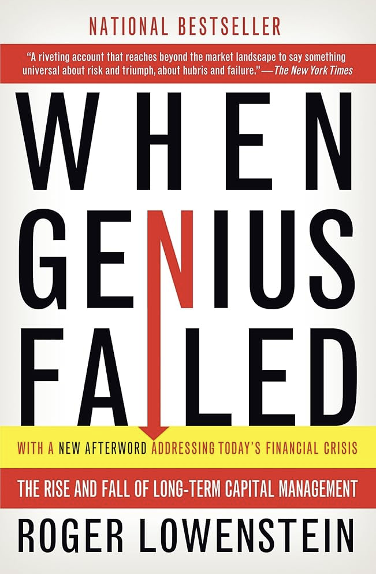
When Genius Failed.
This book gives a great example of why, just because you are very smart, you have PhDs in finance, why it's very different than becoming a good, successful investor.
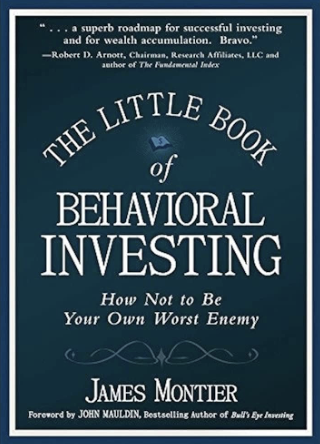
The Little Book of Behavioral Finance.
I don't see a lot of people recommend this book.
It is a really good intro into a lot of psychological biases that exist in investing.
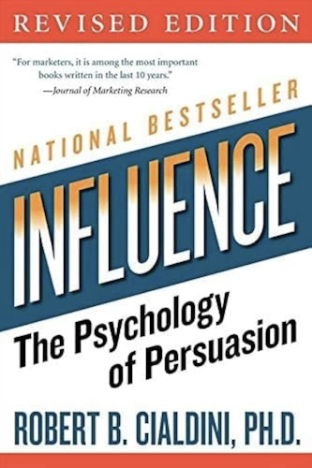
Influence: The Psychology of Persuasion.
This is a book Charlie Munger recommends all the time.
We have a lot of behaviors as humans that are pretty irrational and if you don't learn about them, then other people can exploit them.
Charlie Munger for instance, has this thing where he says, you know, can you name a business where, raising prices actually increases the volume of goods sold?
And most people know economics. They'll say something like a Veblen good, which is basically something like a Louis Vuitton bag.
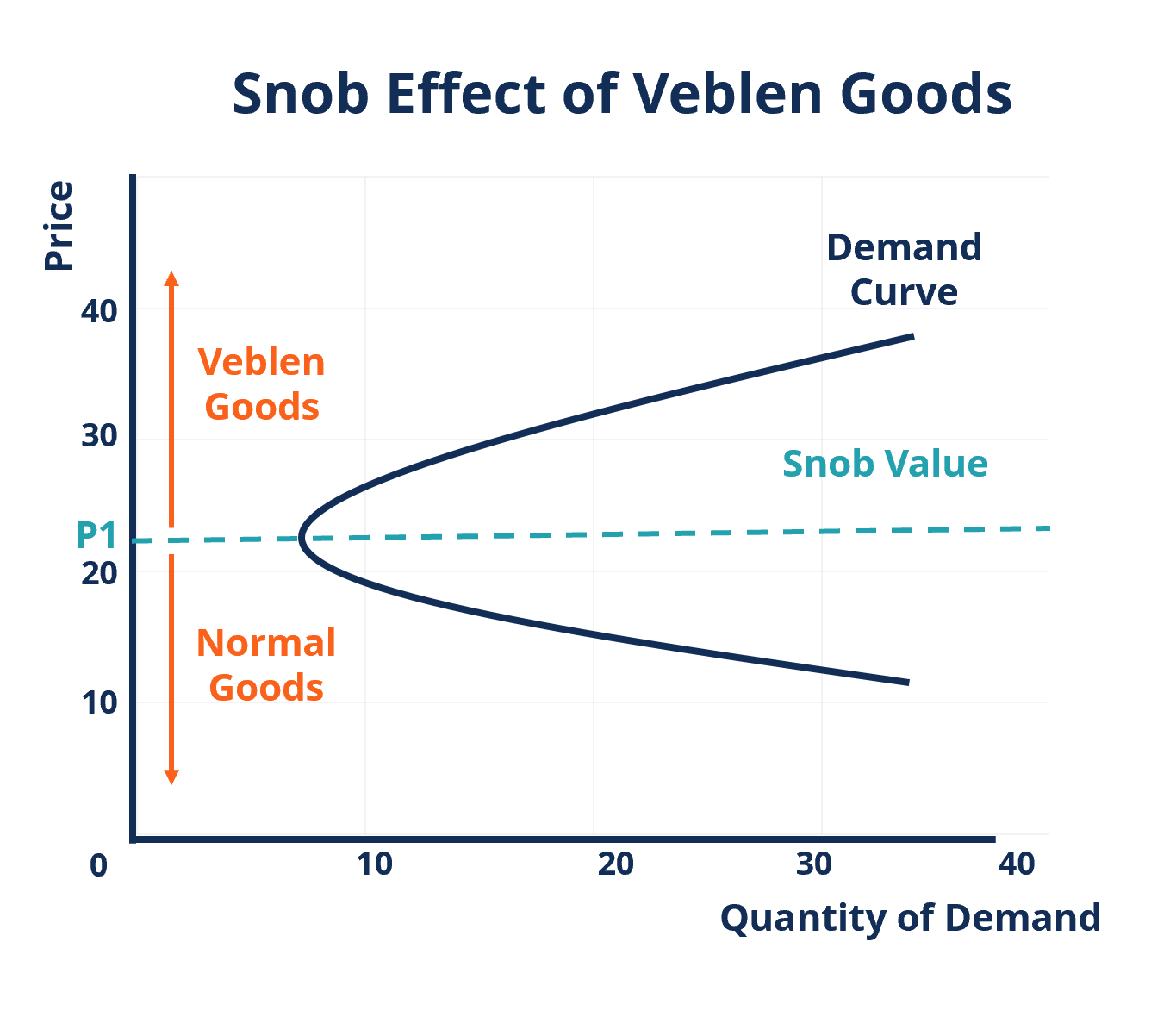
You're raising the price, you're increasing scarcity, you're making it more desirable.
That just is one way how you, how you see that psychology can break a little bit the way we kind of expect people to act when they're economically rational.
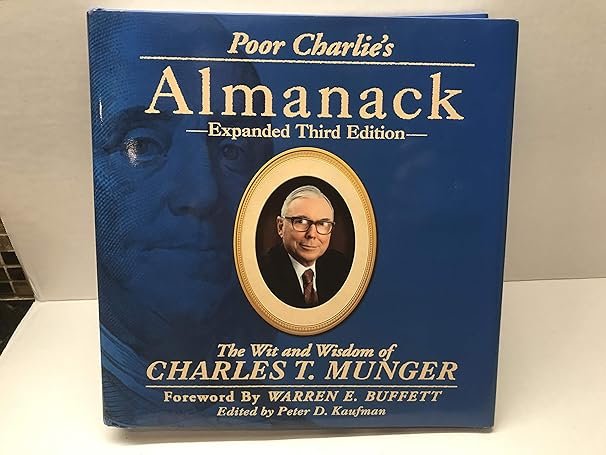
Poor Charlie’s Almanack.
This book is going to be the only book that's an actual collection of all of Charlie Munger's ideas, thoughts, mental models, et cetera.
Common Stocks and Common Sense.
This book is going to be by an actual hedge fund manager, who provides case studies on 10 different investments he made in kind of a very easy, no nonsense way.
And so you'll see how an investor actually applies a lot of your learning.
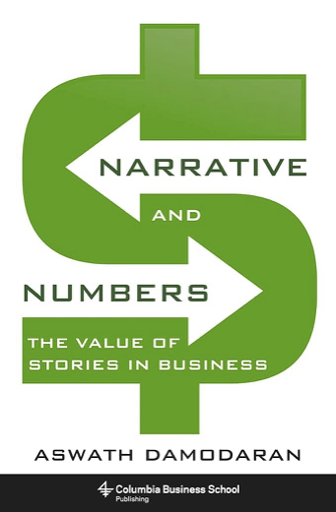
Narrative and Numbers.
This book by NYU professor, Aswath Damodaran, is going to be him applying this framework of how to analyze a business, tying numbers to the narrative.
A great book on the story beyond numbers on financial statements.
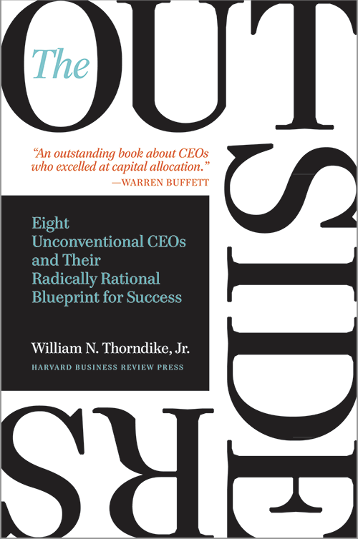
The Outsiders.
Read this book so you start to have respect for what a good capital allocator and a good manager is going to be.
It will give you a lot more respect for capital allocation.
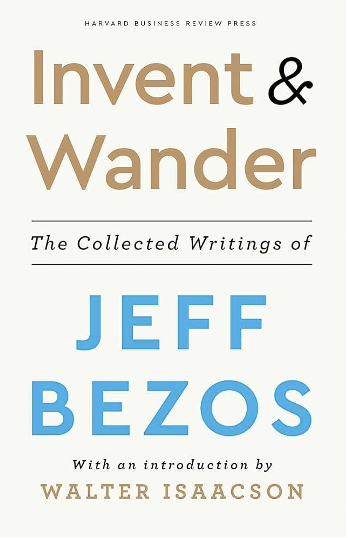
Invent and Wander.
This is going to be Jeff Bezos's shareholder letters
If you read his writings even early on, you could just tell, and I know some of this is like after the fact rationalization, but just the way he talks about building a business, it just makes a lot of sense.
The way he talks about why margin doesn't matter.
He doesn't say profit dollars don't matter. He says margin. And that's a very different thing.
Really great book about Jeff Bezos and building Amazon in the early days.
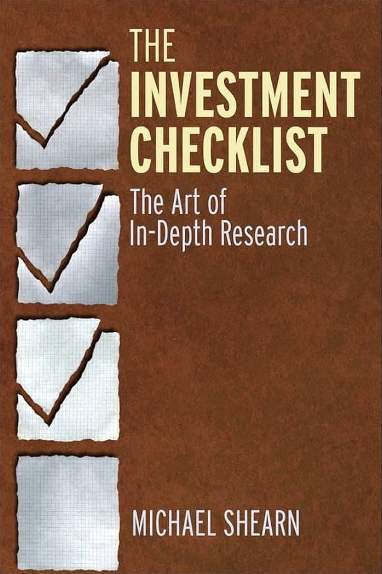
The Investment Checklist.
This is a book to just get a sense of how one investor invests.
The author goes way too overboard.
He looks at all of these like 99 cent stores and for some reason he actually went to like, almost every single one.
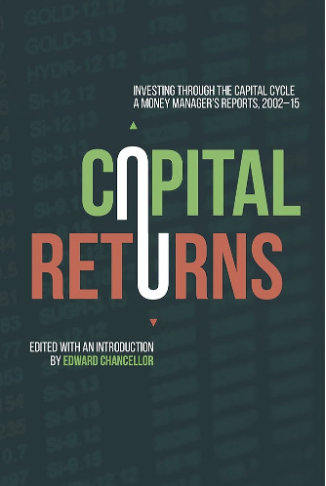
Capital Returns.
It's all about how you kind of ignore demand in a way because you won't be able to estimate demand, but you can follow where capital in an industry is flowing and when it flows there, supply is going to increase.
And supply over time, it's going to tend to almost always overshoot demand.
It's very hard to balance that correctly and it's an interesting book to read now, thinking about what's happening with all of these hyperscalers, investing in AI, investing in these data centers.
Are they going to overshoot demand or not?
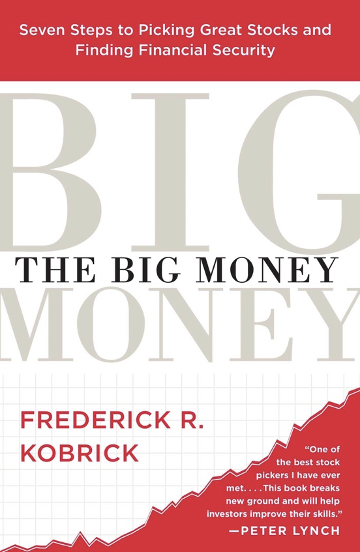
The Big Money.
I like how he talks about doing more research, actually builds your confidence in a holding, which is necessary to hold it through drawdowns and the vicissitudes of life.
Lifelong Learning.
This was a short list of books I read in those short 3 months that improved my investing abilities.
You're going to want to keep reading basically more and more investing books.
As long as you're reading a lot of books, you're going to kind of tend to pick up a lot of overlapping and similar lessons.
It's kind of rare you find a book that is totally different than all the other books and has a message that then never gets repeated in any other book.
But I think as long as you're just reading a lot of investing books, you're going to pick up a lot of the stuff and you need to get to the point where you get bored of reading investing books and you're not getting much from them.
Business books and business biographies are another source that improves your investing abilities.
A business biography can still teach you a lot about the business.
Shoe Dog is a classic one, tells the story of Nike.
Born of This Land, is an interesting story about the founder of Hyundai.
Men and Rubber by Harvey Firestone shares lot of business lessons.
But there's a lot of these and you should just keep reading broadly.
I also read history and financial history.
Secrets of the Temple is a book that focuses a lot around inflation in the 1970s and 1980s
This will give you a better understanding of financial markets, the Federal Reserve, and monetary policy.
Americana goes through the entire history of America and kind of picks these different periods where each period he talks about a different industry that grew during that.
So it gives you a little bit of industry exposure, history, but there's a lot of of financial history books out there, knowing more history is really important because then you could look at these different events that happened in the financial markets and you could kind of try to understand, what it's like in the past.
When that summer ended and I read these all of these books I just felt a lot smarter and I was a better at knowing where I was being stupid.
And that was the first time I looked at a stock, which was Apple at the time I remember it was selling off a lot.
It was down 30% plus, trading at around a $15 split adjusted price.
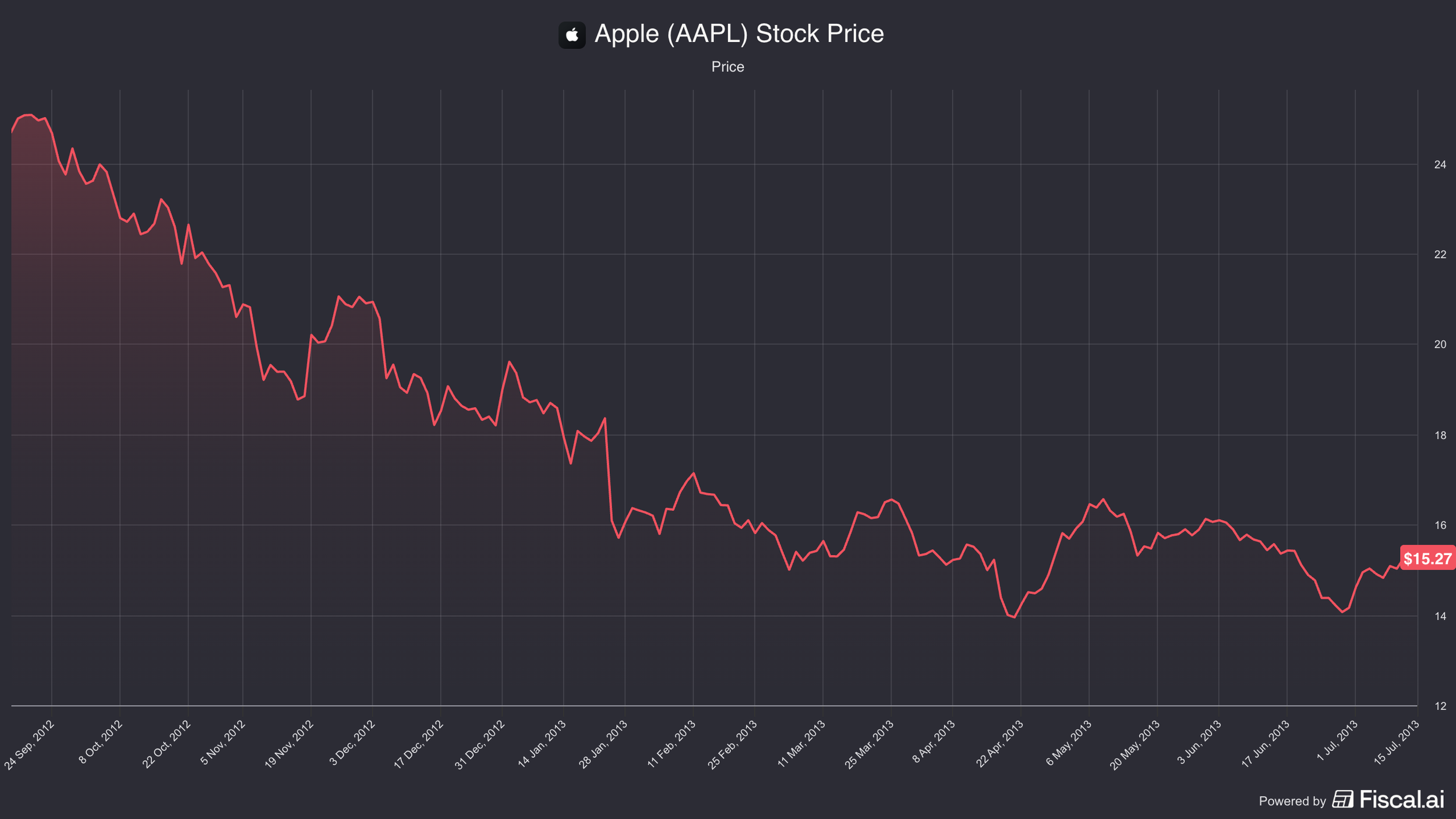
And I did a very simple analysis of, you know, pulling the cash out from basically, the business and seeing it traded at, I think it was ~14 times earnings, and the media narrative at the time was people would switch off iPhones to cheaper alternatives.
But I knew my own behavior, with my own iPhone and I saw all my friends and I knew that they were just never going to switch into any other ecosystem ever and every few years people would upgrade.

And then it was just that very quick rudimentary financial analysis from there.
All that reading allowed me to see a pattern and apply some of my knowledge to the actual stock market.
A lot of investing when you're newer is about building that confidence and you always feel like someone else knows something you don't, because there's a lot of smart people doing this.
And so does that other person know something you don't.
Did you miss something?
How thorough was my research, really?
And so this is why I think there's a lot of doubt when you're an earlier investor, and I think you read all these books, you get to the point where you start to have more confidence in your analysis, and you also start to believe that you can know something the other person doesn't.
You start to understand these psychological biases that exist.
You understand how many people are faking it in their career, and all of that allows you to have a little bit more confidence as an investor to take that other position.
I hope you find these books as valuable as I have in improving your investing abilities.
But more importantly, I hope that they can help you from stopping doing foolish things.
For more on the immersive reading program I did and resources I didn’t list here, check out this video below.
Nothing in this newsletter is investment advice nor should be construed as such. Contributors to the newsletter may own securities discussed. Furthermore, accounts contributors advise on may also have positions in companies discussed. Please see our full disclaimers here.
