Why Hedge Funds Aren’t Supposed to Beat the Market
Get smarter on investing, business, and personal finance in 5 minutes.
What actually is a hedge fund and how do they work?
You can be forgiven for not understanding exactly what a hedge fund is, because it's commonly used in the media and even by investors themselves in pretty confusing ways.
And I'll be honest, one of my favorite investors, Warren Buffett, only added to this confusion.
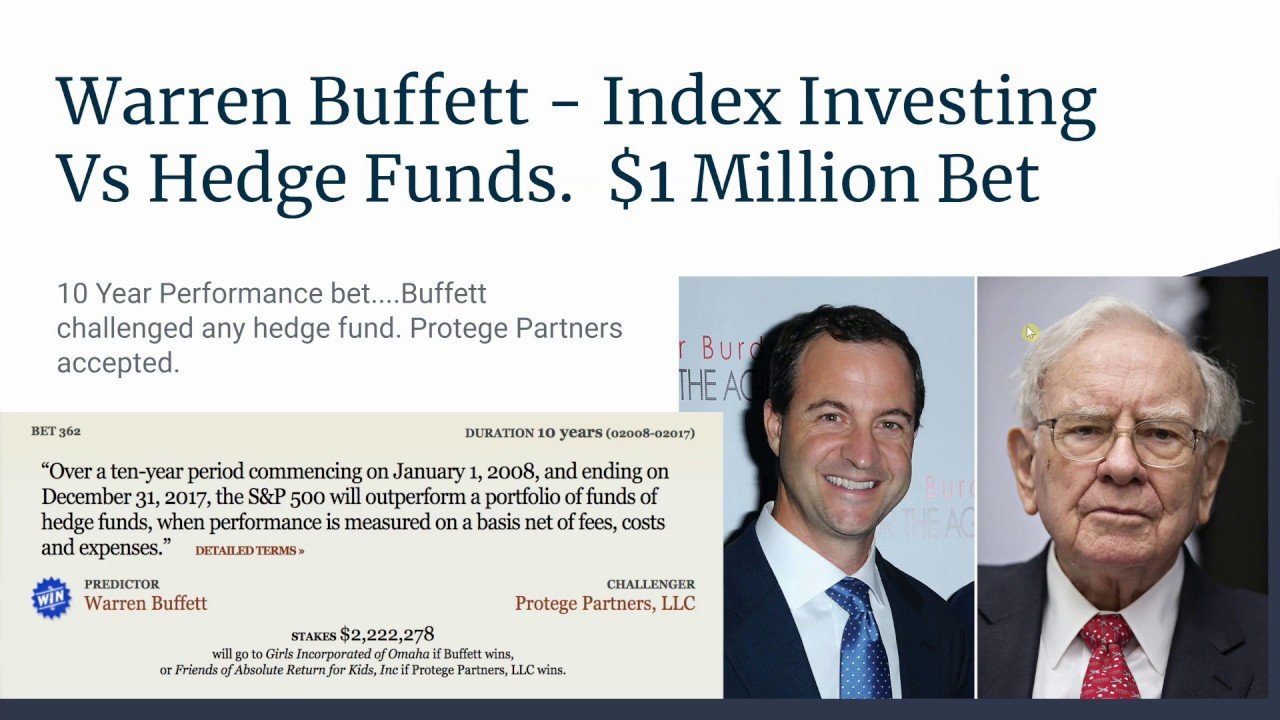
When he made a million-dollar bet in 2007 that a low-cost S&P 500 ETF would beat a basket of hedge funds, and that bet turned out to be in his favor.
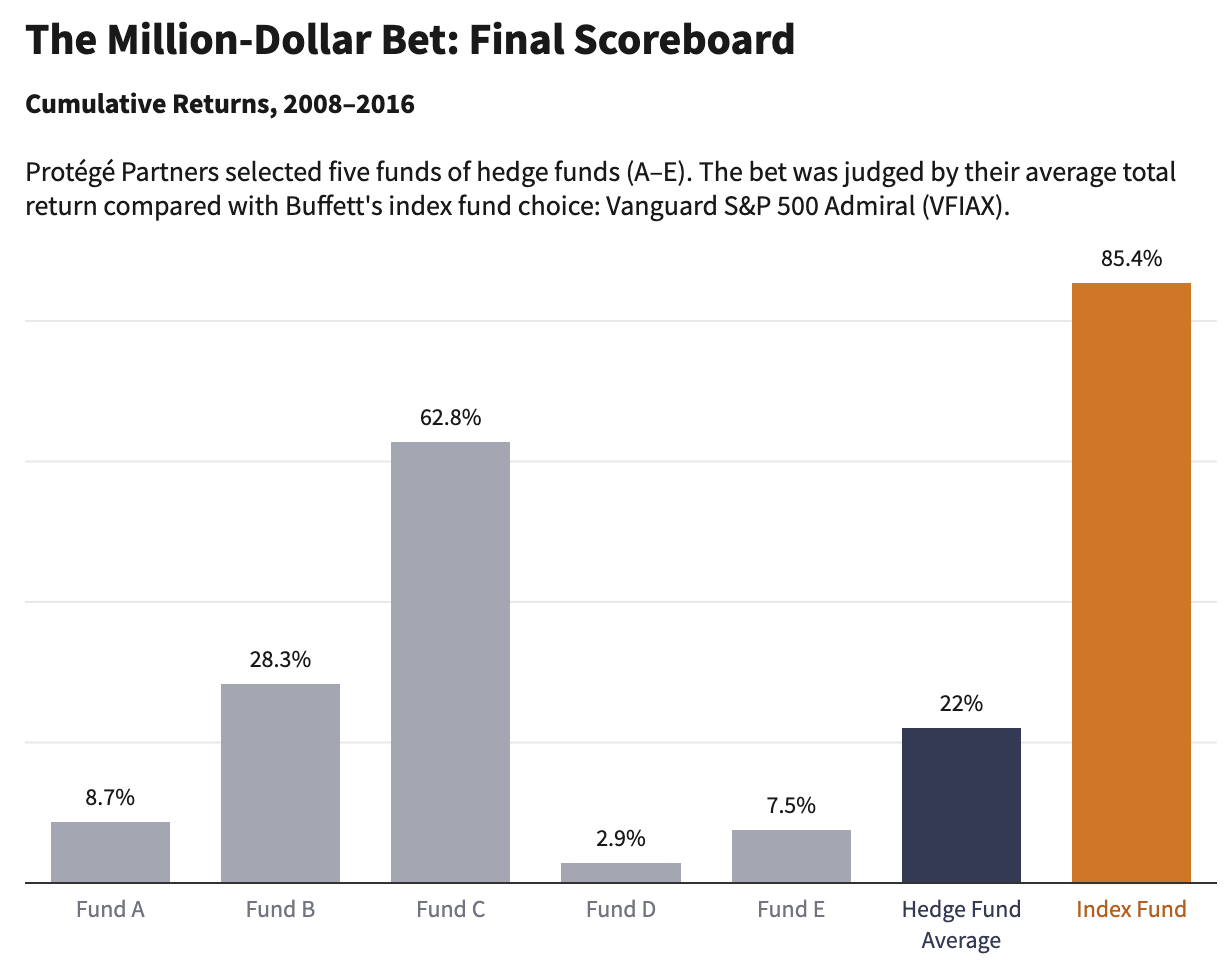
It ended up being the case that the hedge funds underperformed massively, putting up just a return around 2% per year for 10 years, whereas the S&P 500 returned 7% over that period.
This was from 2007 to 2017, so right before the financial crisis, when you would have expected hedge funds, if they were working properly, to actually be in a better environment to outperform, for reasons we'll get to in this newsletter.
Not that I want to be in the position of defending high fee and underperforming hedge funds, I will say that this bet confuses the main purpose of a hedge fund.
Please allow me to explain.
Absolute vs. Relative Returns.
The reason why I said that this bet was kind of confusing what the purpose of a hedge fund is has to go to this concept of absolute returns versus relative returns.
If you are investing and you are hoping to beat the S&P 500, you are a relative return investor, you are judging your success relative to the S&P 500.
Very often, though, at least if we think of a classic hedge fund, it is supposed to be an absolute return investment vehicle, which means that it makes a certain return regardless of what the S&P 500 does.
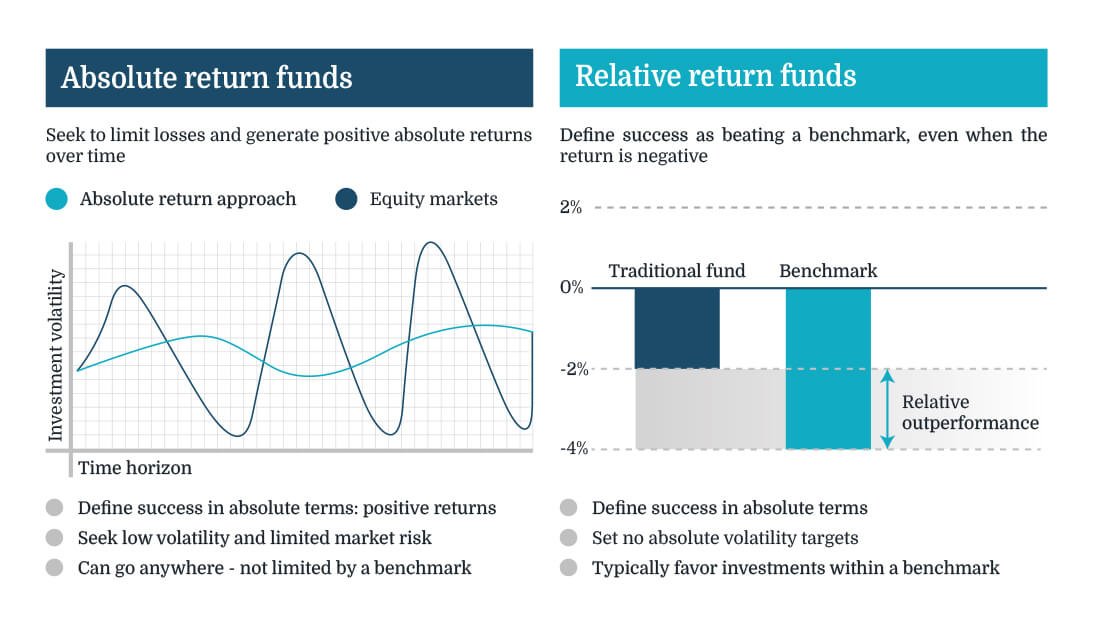
So if the S&P 500 does 2%, the hedge fund is supposed to, in theory, do 7%.
If it does 9% on the S&P 500, well, the hedge fund is supposed to also still do 7%.
A hedge fund that maybe makes that steady 7% return year after year after year could be deemed to be a success even if the S&P 500 did better than the hedge fund did over that period, because it is supposed to be the case that if the S&P 500 did worse and went negative, the hedge fund is still posting that 7% return.
At least that is the idea in theory.
In practice, hedge fund now is just a loose term that is thrown around that generally just means investment partnership.
Very often there is little actually hedging going on in a lot of these hedge funds.
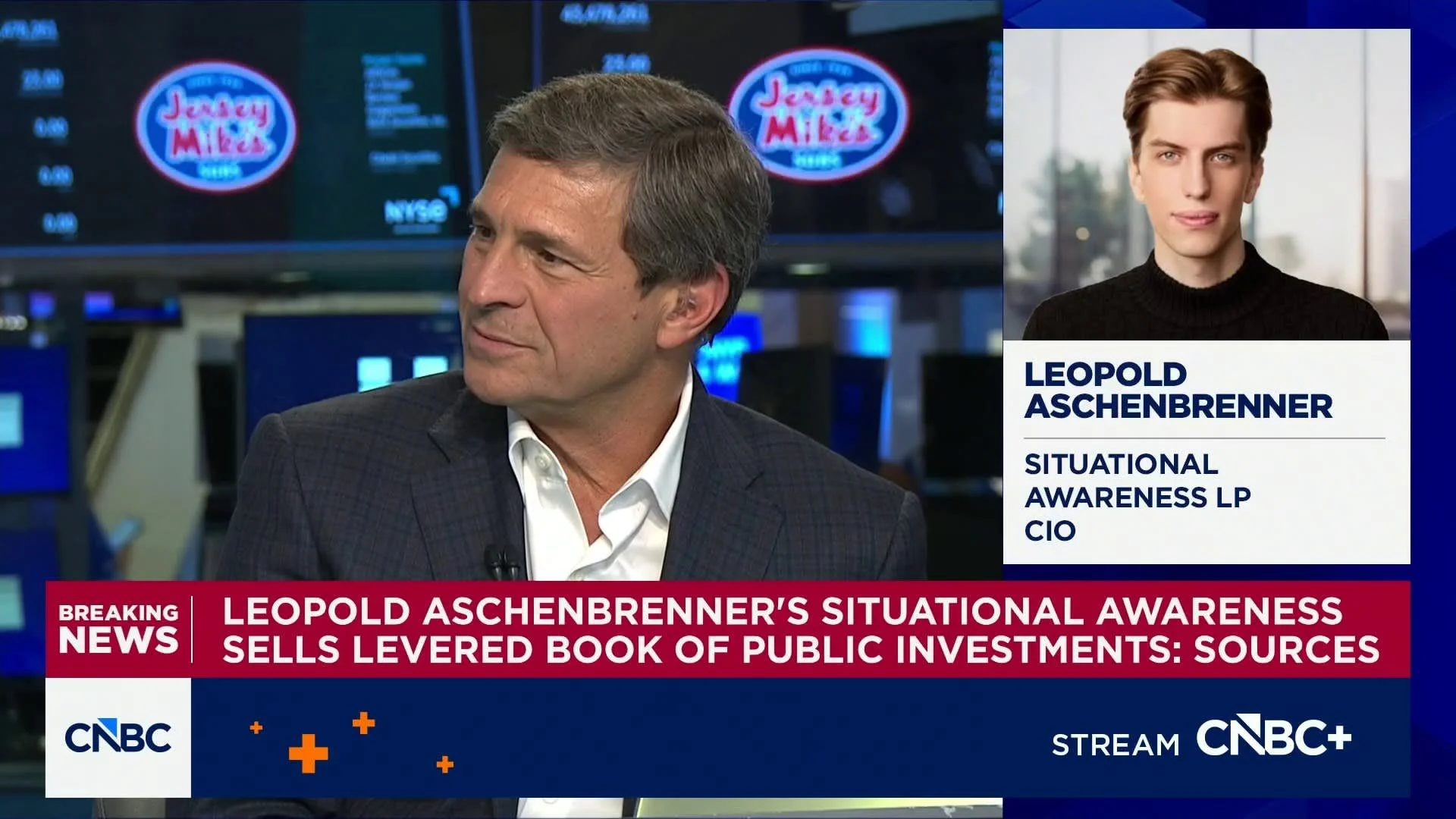
Of course, it depends which one, but we do have a very front and center example right now with Leopold Aschenbrenner's Situational Awareness Hedge Fund, which had $45 billion of exposure that was very quickly taken down to just $10 billion, giving him a $35 billion loss.
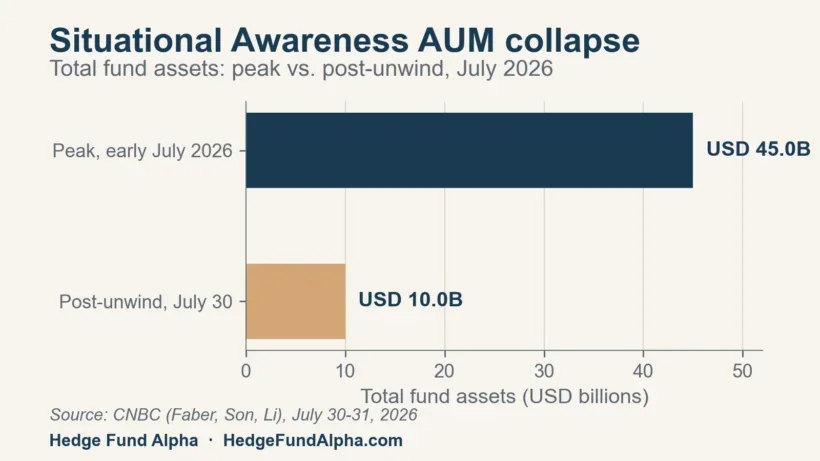
They had to liquidate the entire public market security portfolio for a loss that was reported around 67%.
Now, if you are hedging in your hedge fund, it doesn't go down 67%.
That is why I say a lot of these hedge funds are not really hedging the way that we think they are, or at least the way that they are supposed to in theory.
How a Classic Long-Short Hedge Fund Works.
So how is a hedge fund actually supposed to work?
There are a lot of different categories of hedge funds, but I'm going to really just focus on the classic long-short hedge fund model.
You should be aware, though, that there's others out there, global macro hedge funds, arbitrage hedge funds, special situation and event-driven funds, and many more.
But I really want to focus on what a classic hedge fund is, to give you a better understanding of that.
In a classic hedge fund, you have a long book and a short book.
The long book are stocks that you buy outright, this is the same thing as you buying a stock in your regular brokerage account, you are long that stock, that means that you hope it goes up in price.
Then they also have the short book, that means they are shorting stocks.
Mechanically, what's happening is they are borrowing a stock and then selling it at the current price, and they hope that it's going to go down in price, and they can buy it back at a cheaper price.
If you think about these two books, the long book and the short book, you could kind of get some sense that maybe there's a way that you could hedge the two against each other, because one benefits when things are rising in price, and the other benefits when things are falling in price.
The idea behind a hedge fund is to construct a portfolio in such a way that you're benefiting when things go up in value, and you are not losing that much when things are going down in value because you are hedged.
Now, there's another really important feature of a hedge fund, which is that they borrow a lot of money.
They don't necessarily go to a bank and just borrow that money, instead, what is happening is that when they are shorting a stock, since they're selling it initially, that money they are given up front, and then they're able to use that money from shorting to buy more stocks to go long.
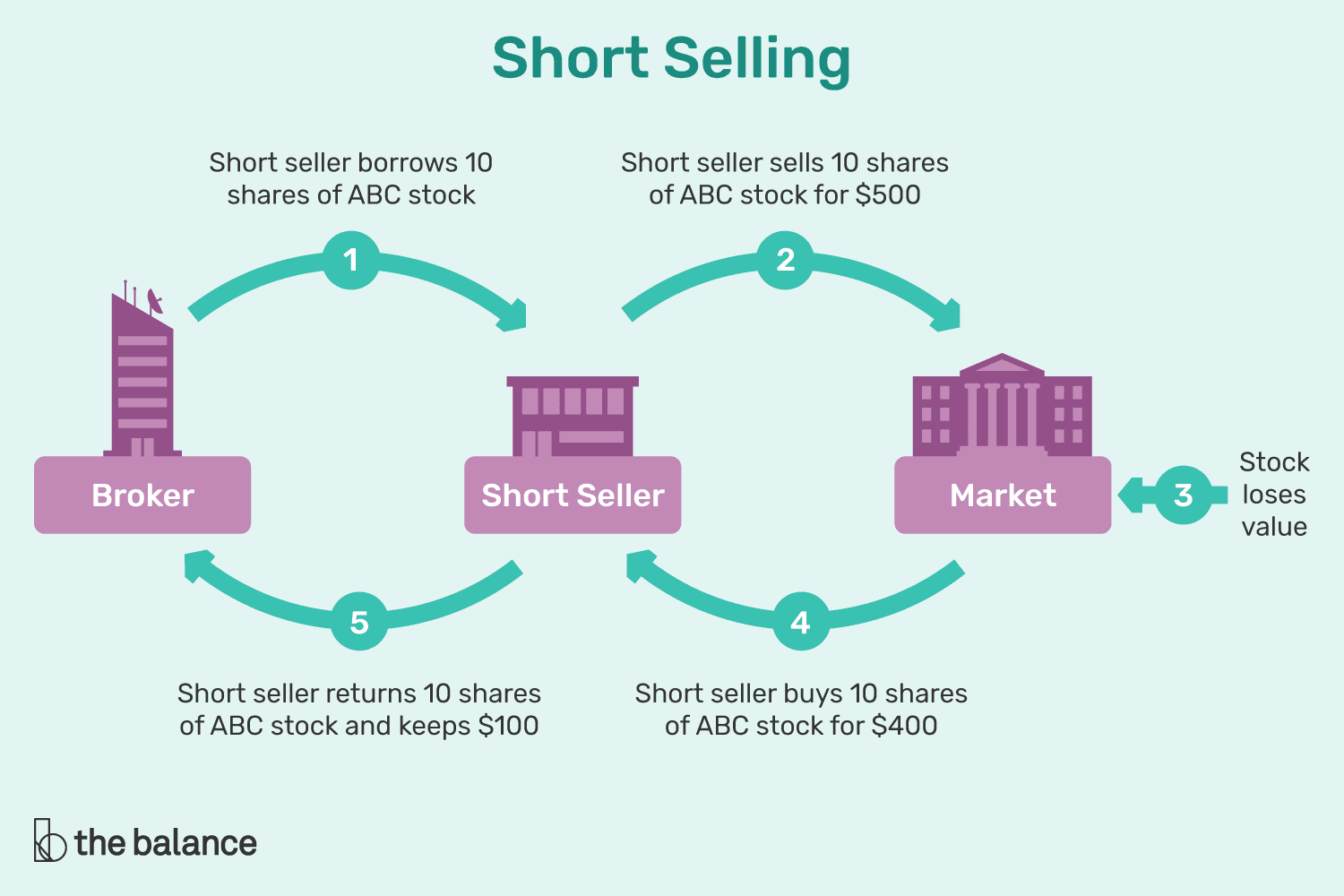
That helps them do what is called gross up their exposure, so they are shorting a lot of stocks, that is giving them money to then go long with the other stocks.
For example, let's say you started a hedge fund, and someone gave you a $100 million investment, so that $100 million, that is going to be your equity.
Then you said, let's go out and buy some stocks and short some other stocks.
So your long book might be $150 million long in stocks, your short book could be $150 million short in stocks.
If we add up these two numbers together, the $150 million long and the $150 million short, that gets us $300 million, that is what is going to be your gross exposure.
So on $100 million in equity, you now have $300 million in gross exposure.
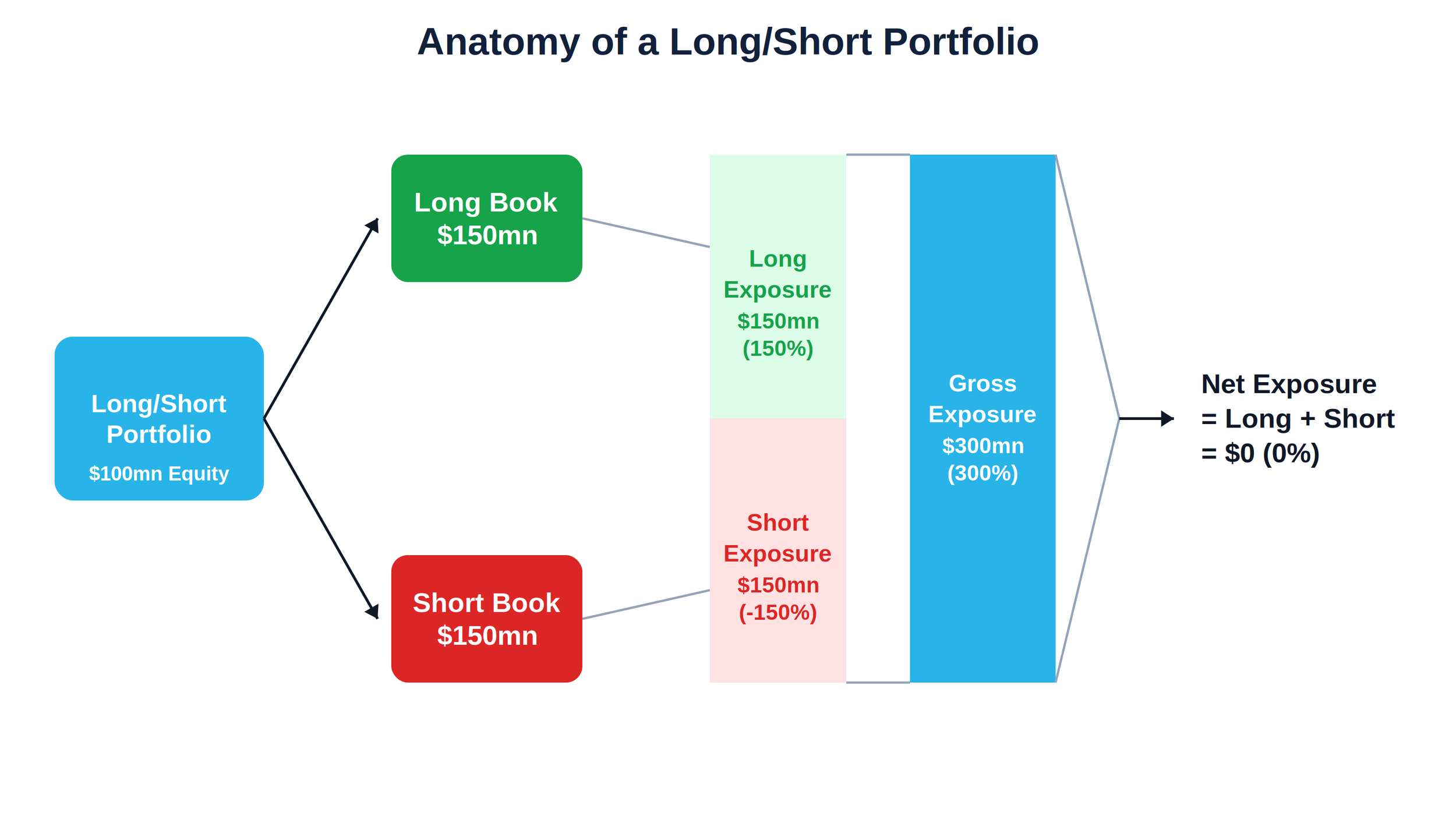
However, since your longs are netted out against your shorts, your net exposure is going to be zero.
This is what is called a market neutral hedge fund, that means, in theory, your hedge fund doesn't care whether or not the market goes up or down because you are positioned accordingly equally between long and shorts.
Now, in practice, what that means is that you have to pick stocks to go long that you think, for some reason, are going to do better than what your shorts are going to do if the market goes up.
Let's say that you are invested in the bank sector, which is where I worked at when I was at Goldman Sachs, I covered banks.
A lot of the counterparties I talked to were the hedge fund banking analysts, and what they would do is they would try to find stocks that they think they should go long and weak bank stocks they think they should short.
So maybe you go long JP Morgan, and you short a small regional bank.
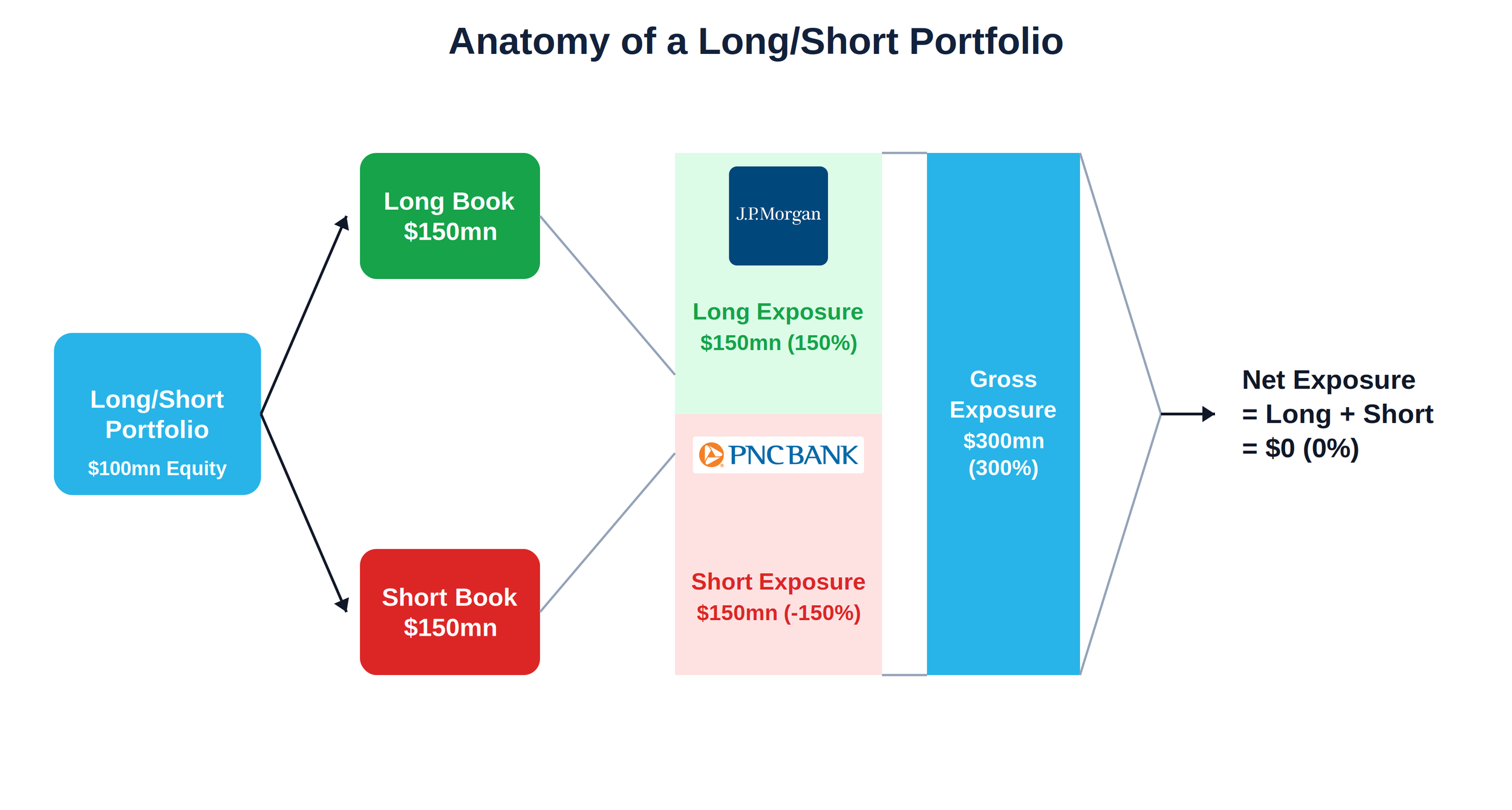
If interest rates drop, and that benefits the entire financial sector, okay, you have this small bank that's going to also probably go up too, but I think it's going to be a bigger benefit to JP Morgan, and JP Morgan's going to go up even more.
So the idea is by having your shorts there, you're trying to hedge out market risk and sector risk.
By doing that, what is left is just idiosyncratic risk, which, said differently, can be considered to be alpha.
That is what a hedge fund is trying to do, they're trying to construct their positions to get rid of the market risk, or the beta, and instead just have all alpha.
Beta is basically general market correlation, market movement.
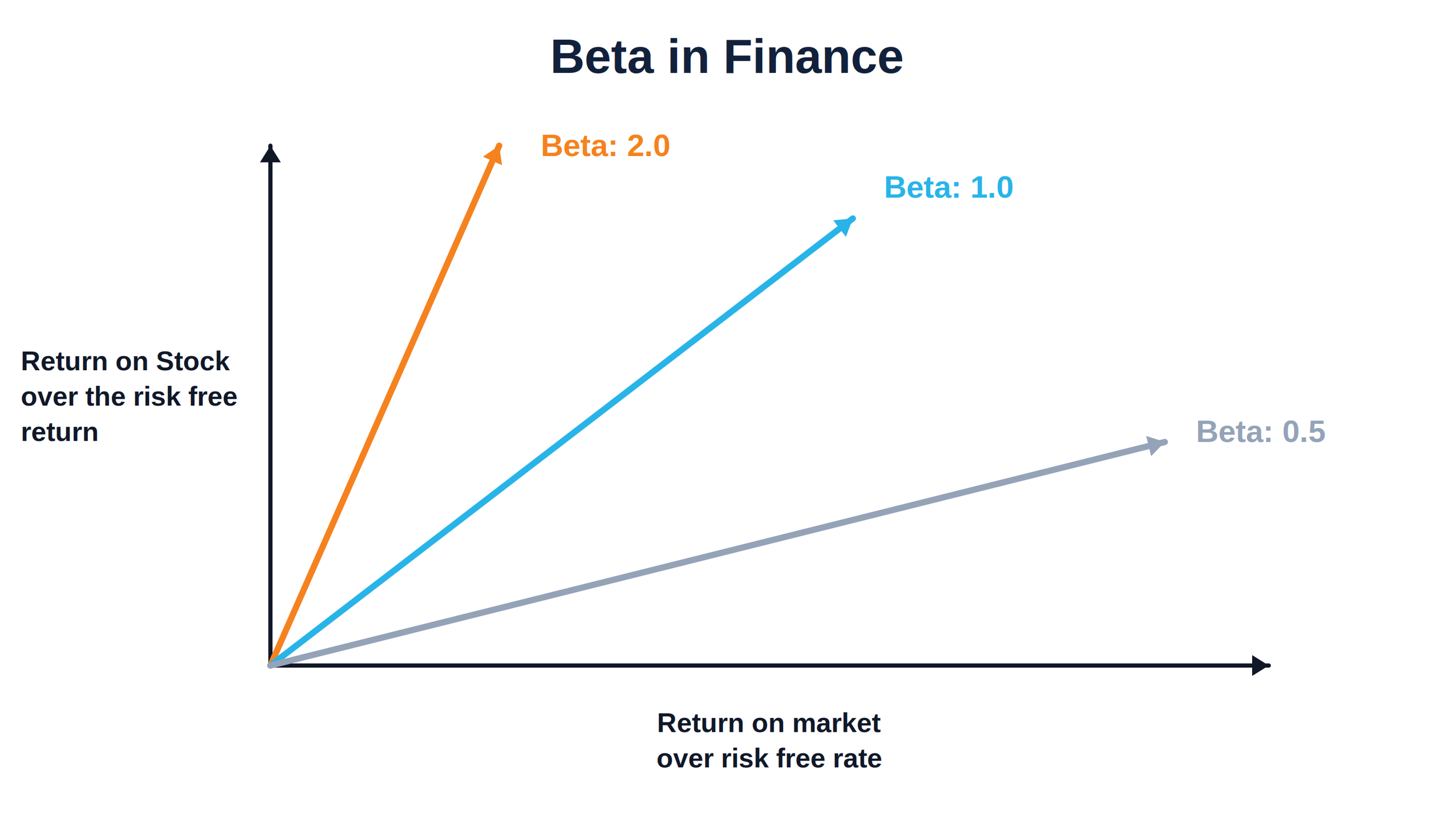
Since this is a market neutral hedge fund with the longs equally balancing out the short, they would claim, well, we don't have any beta, it's going to be a zero beta strategy, and so any returns that we do make are going to be pure alpha.
That is kind of the crux of the hedge fund and the reason why I thought it's a little misleading to compare it to the S&P 500, because explicitly what the hedge fund is trying to do when they run this sort of strategy is they're trying to get rid of all of the beta, they're trying to run market neutral.
Now, it is true that very often a hedge fund will take a tilt, which means that they want to be a little bit more long than they are short.
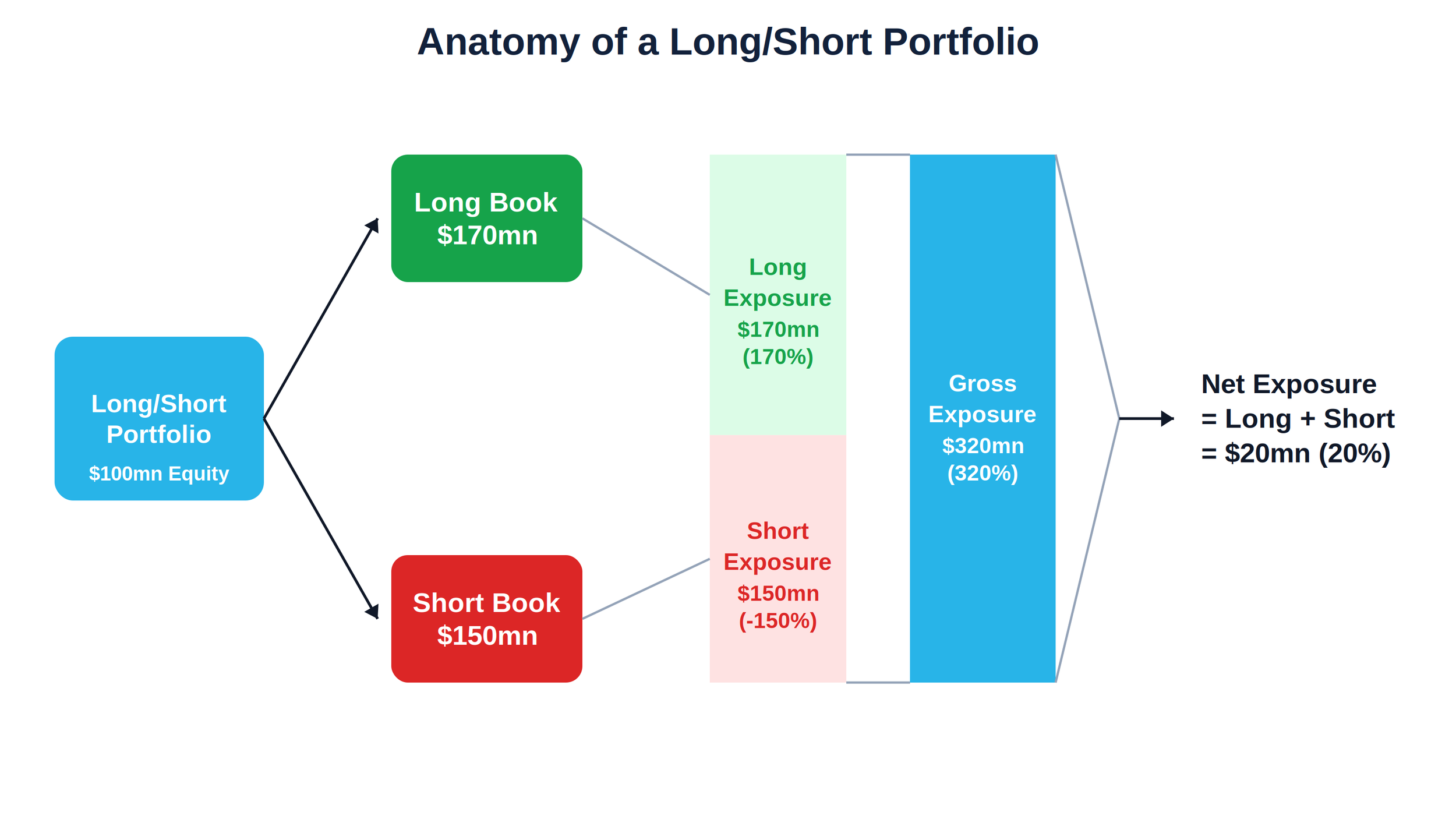
Let's say, for example, you're running 20% net positive exposure, so what that means is that you're going to take your longs up from $150 million to $170 million, your shorts are staying at $150 million, and your gross exposure is now $320 million, so 320%, but your net exposure is now going to still be just 20, because it's $170 million minus the $150 million will be $20 million.
Remember, this is on $100 million of equity originally, so that is going to be 20%.
Multi-Manager Funds and the Pair Trade.
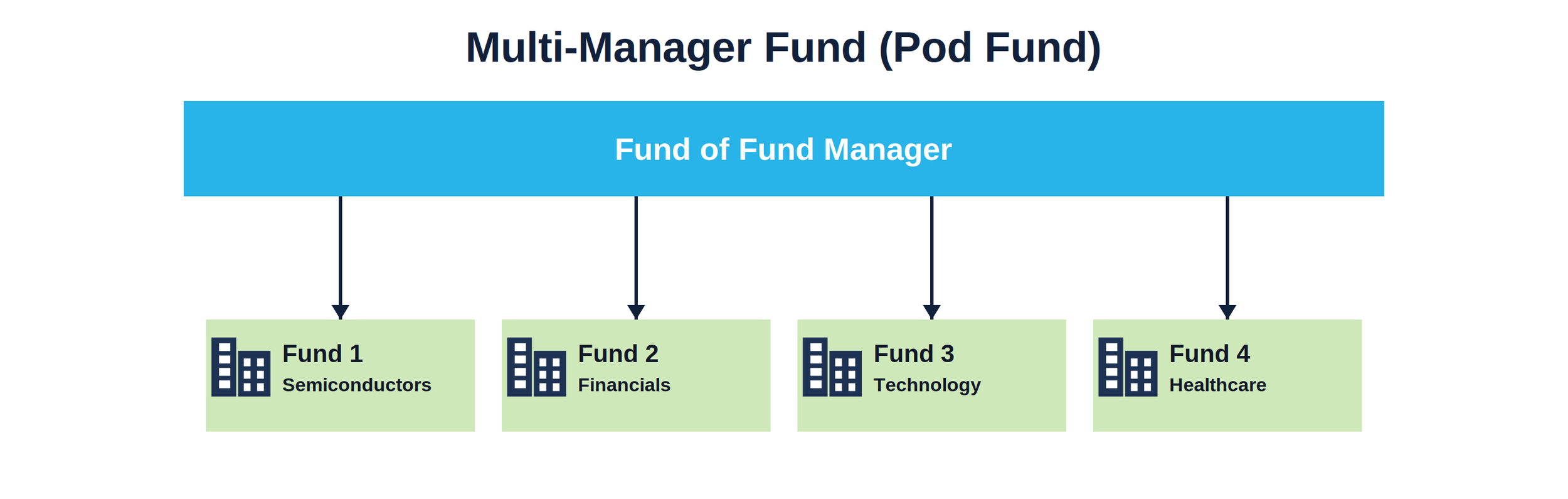
Now, there's a very popular version of this, which is called a multi-manager fund, it's also called a pod fund in the industry.
What that basically is, is a hedge fund kind of has a bunch of mini hedge funds running within it.
They'll have maybe one manager that covers just semiconductors, another that does just financials, another that does just technology, another that does healthcare, and every single one of these managers has their own long and short book that they're responsible for.
A very common thing these managers do is something called a pair trade.
A pair trade means I want to pick one stock to go long and one stock to go short, and it's similar to the financials example I was giving you earlier.
Maybe you decide that semiconductors are going to continue to be great, and I want to go long a semiconductor company like Nvidia.
Well, what am I going to short at the other end?
Well, I have to pick something in my semiconductor coverage because I still want these to be related, because I want to get rid of this industry risk.
I believe Nvidia is better positioned than a lot of semiconductor companies, but I need to find one that I think is relatively weaker.
Just to pick on a company, let's say that you say, well, Cadence Design Systems, I think that I'm a little bit more bearish on EDA tools compared to Nvidia and their GPUs, and I'm going to go long Nvidia and short Cadence Design Systems.
If there is something that happens that causes a bunch of AI stocks to sell off, I think Nvidia is going to sell off less than Cadence Design Systems.
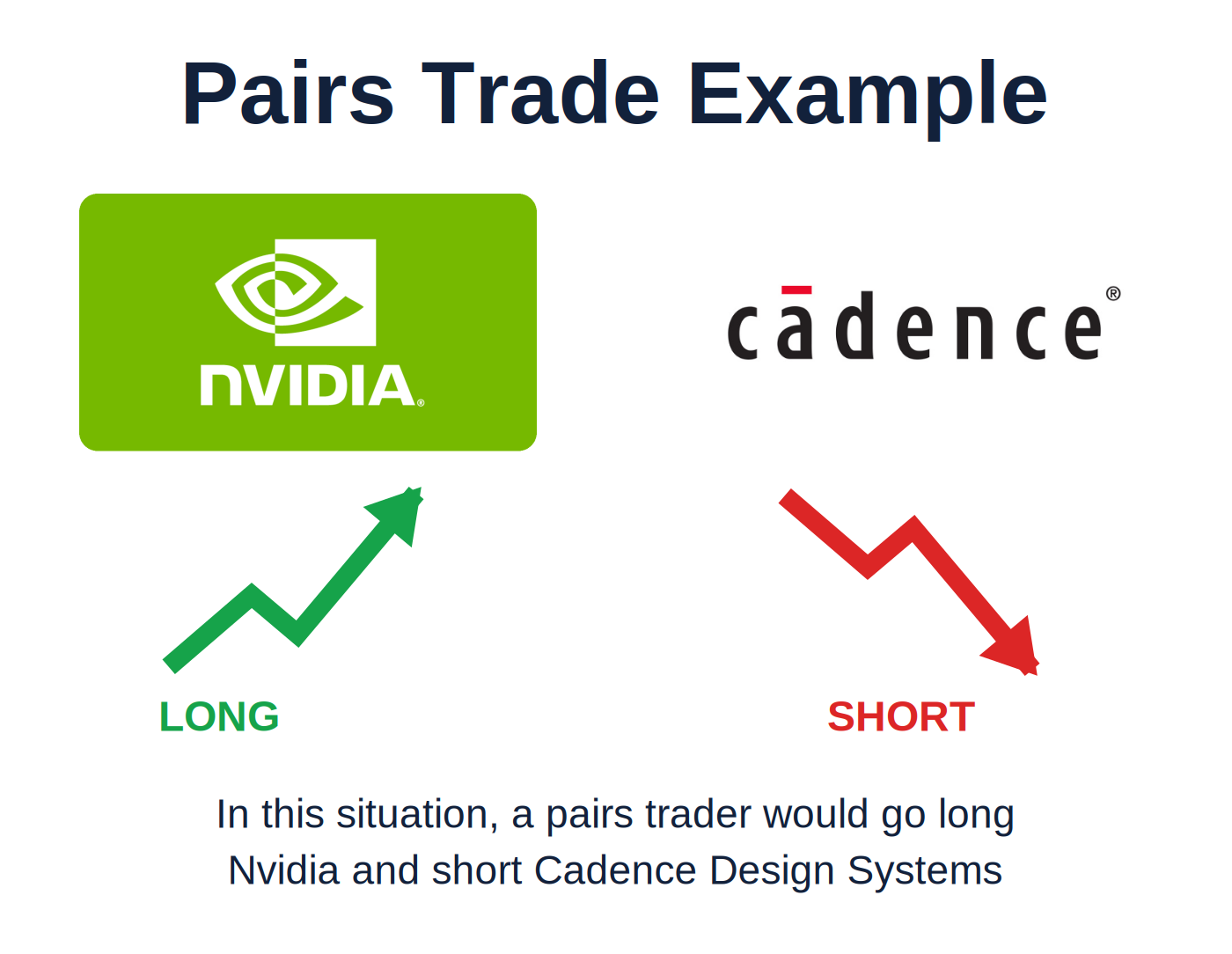
That is what a pair trade is.
You construct a portfolio of a lot of these different trades, managing your longs and your shorts.
Very important and key to this, though, is that these two companies share a lot of the same underlying risk.
This won't work if, for example, you went long AI companies and then went short software companies, because you're not actually hedging out any of the AI risk, instead, all you are is going twice as long AI companies.
Because anything positive that's happening with AI developments has tended to be seen as negative to software companies, and that means that if everything is going really well for you, then your shorts are going to actually be profitable.
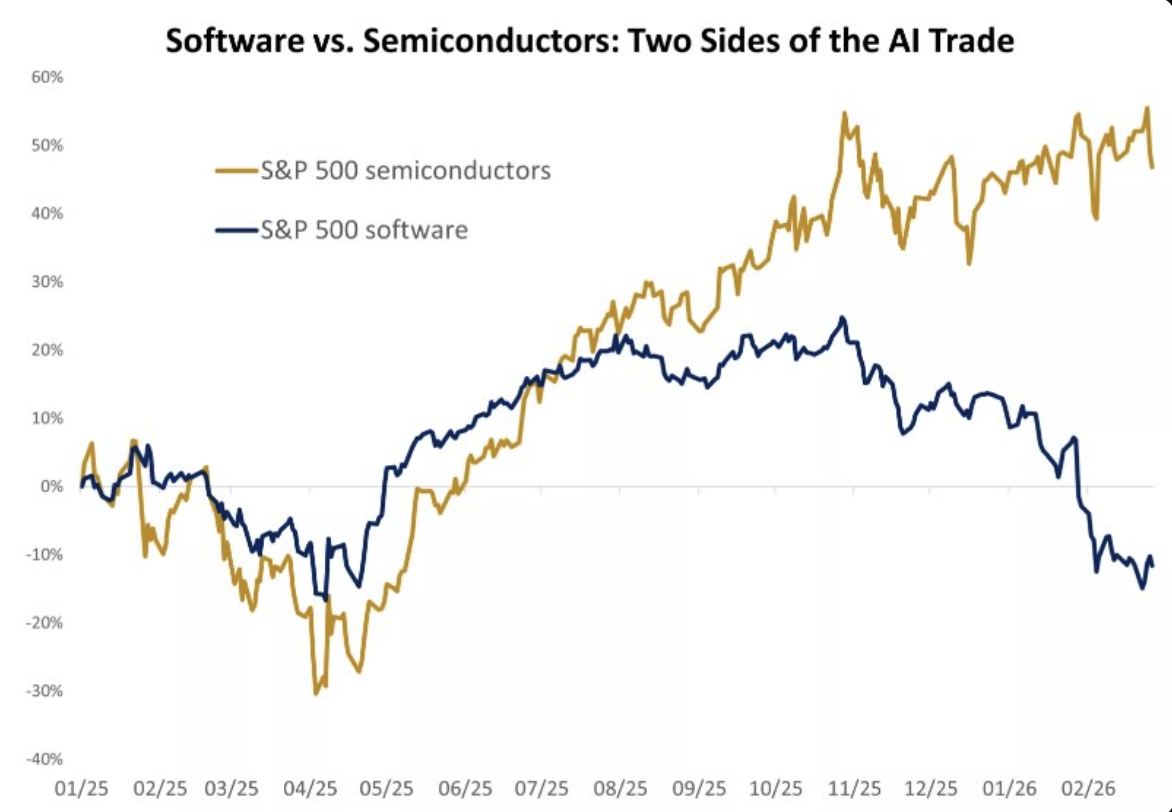
If you're shorting software stocks and the AI trade is working, you're making money not just on your software shorts, but also on your semiconductor longs.
This can work really well for you when it is going for you.
When the opposite happens, though, and the AI trade reverts as it did in the last month, then both of these positions go against you at the same time.
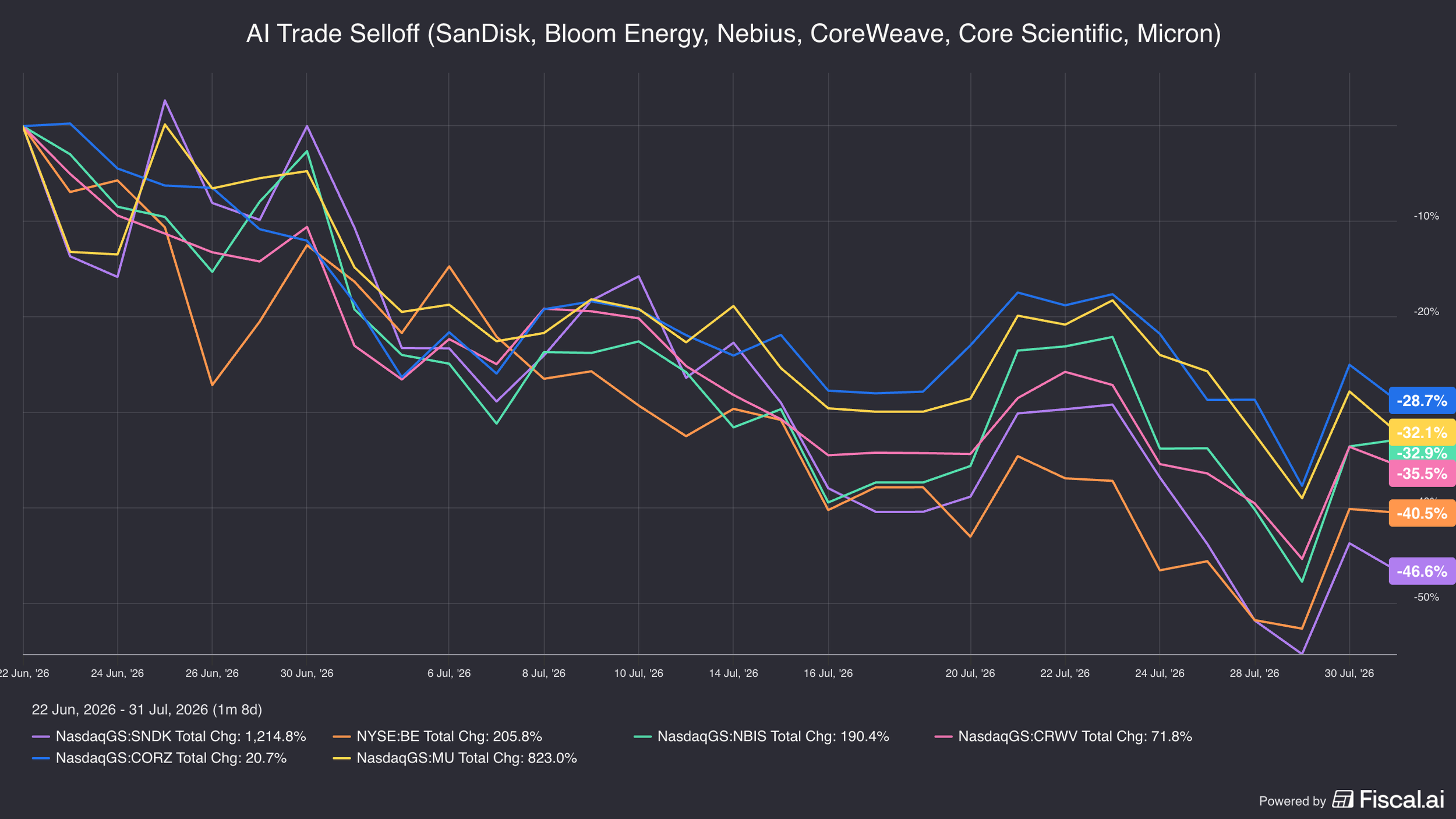
This is not a proper way to really hedge out risk.
This can certainly be a way someone decides to make different bets in their fund, but if you are really talking about a classic hedge fund, and I'm thinking of the Citadels, the Millenniums, the Point72s, that is not how they are going to construct their risk management.
In fact, they are brutal in terms of risk management.
If you run a pod and you're down 2% to 5%, you're getting a warning, sometimes you're getting capital pulled back.
If you are down 7%, maybe as much as 10, but usually 7, that is going to be a threshold to liquidate your entire book, and often you get fired at the same time too.
The reason why they are so unforgiving on losses is because of how much leverage becomes inherent in this system.
They need to very quickly protect their downside because things can get out of hand, and if they do, then the bank comes asking for more collateral to be posted, and they may not have it, and that could result in a liquidation of the portfolio.
So these hedge fund managers will liquidate their own portfolios far before the bank ever comes knocking.

Where the Outsized Returns Actually Come From.
There is, though, a lingering question remaining.
How do these hedge funds make so much money?
Because it can't all be alpha, right?
We know if an investor is able to return one to two points above what the broader stock market returns over a long period of time, that would make them one of the best investors of all time.
There's no way all of these returns, because some of these hedge funds do post pretty decent returns, there's no way that can all be alpha.
To understand this, we have to talk a little bit more about the leverage that is inherently created in the way that they structure these trades.
If we're thinking from the beginning, let's say you're a brand new manager at a Citadel, a Point72, and you have $100 million in equity.
You right now can only have 100% gross exposure because you're new, and you have to also run market neutral, so you can do a $50 million long book and a $50 million short book.
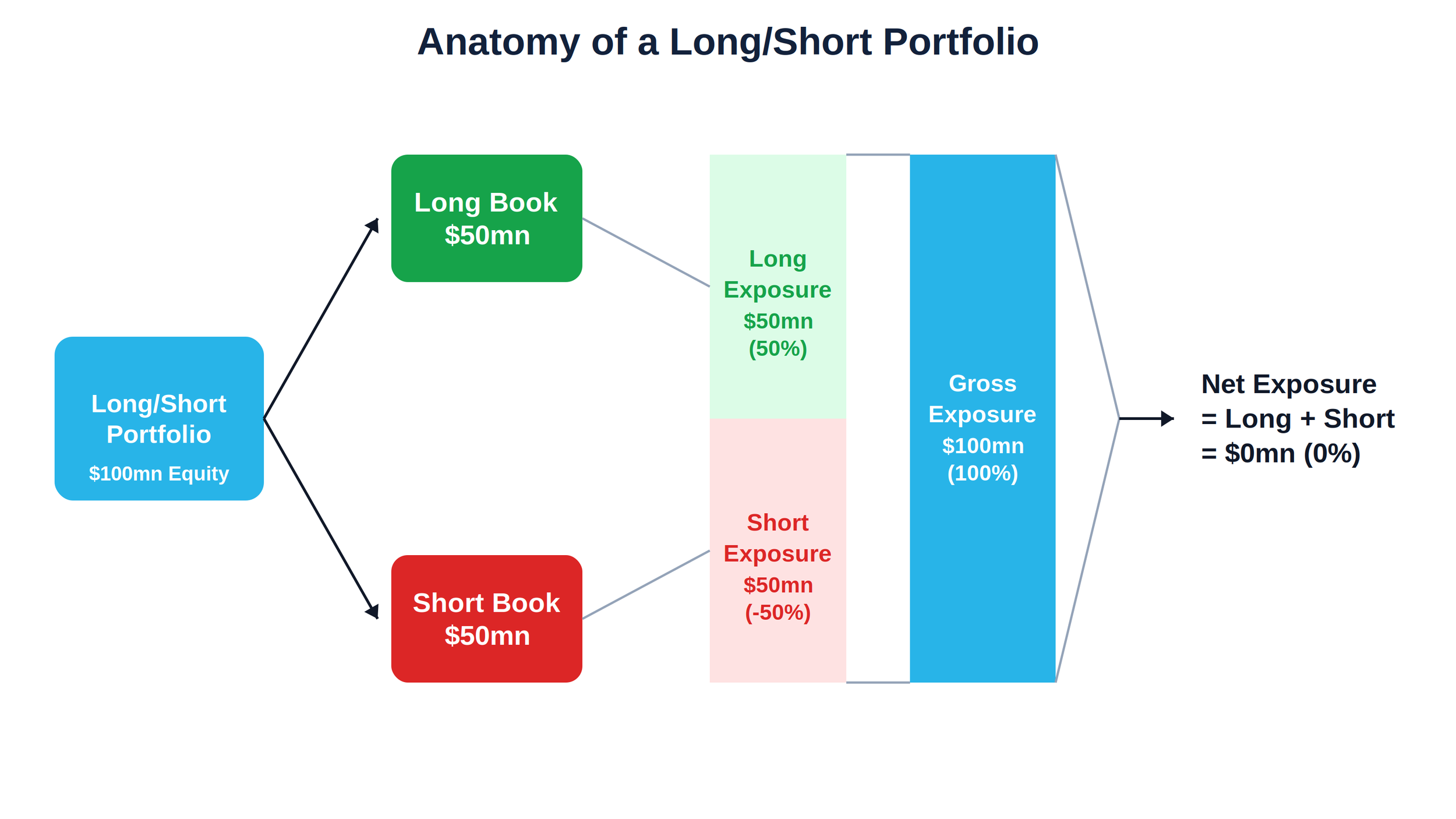
Congratulations, you're really good at your job, though, and you made 2% on both the longs and the shorts together, so that means that you made $2 million on $100 million, that's a 2% return.
That's a pretty mediocre return, so where are all of these outsized returns for the hedge fund coming from?
They're going to come to you and say, you made 2% alpha, that's pretty good, you might be a really good stock picker, we're going to gross you up.
So now you're going to run 800% gross exposure, not 100%, and so you're going to have a $400 million long book and a $400 million short book, and go ahead, do the same thing again.
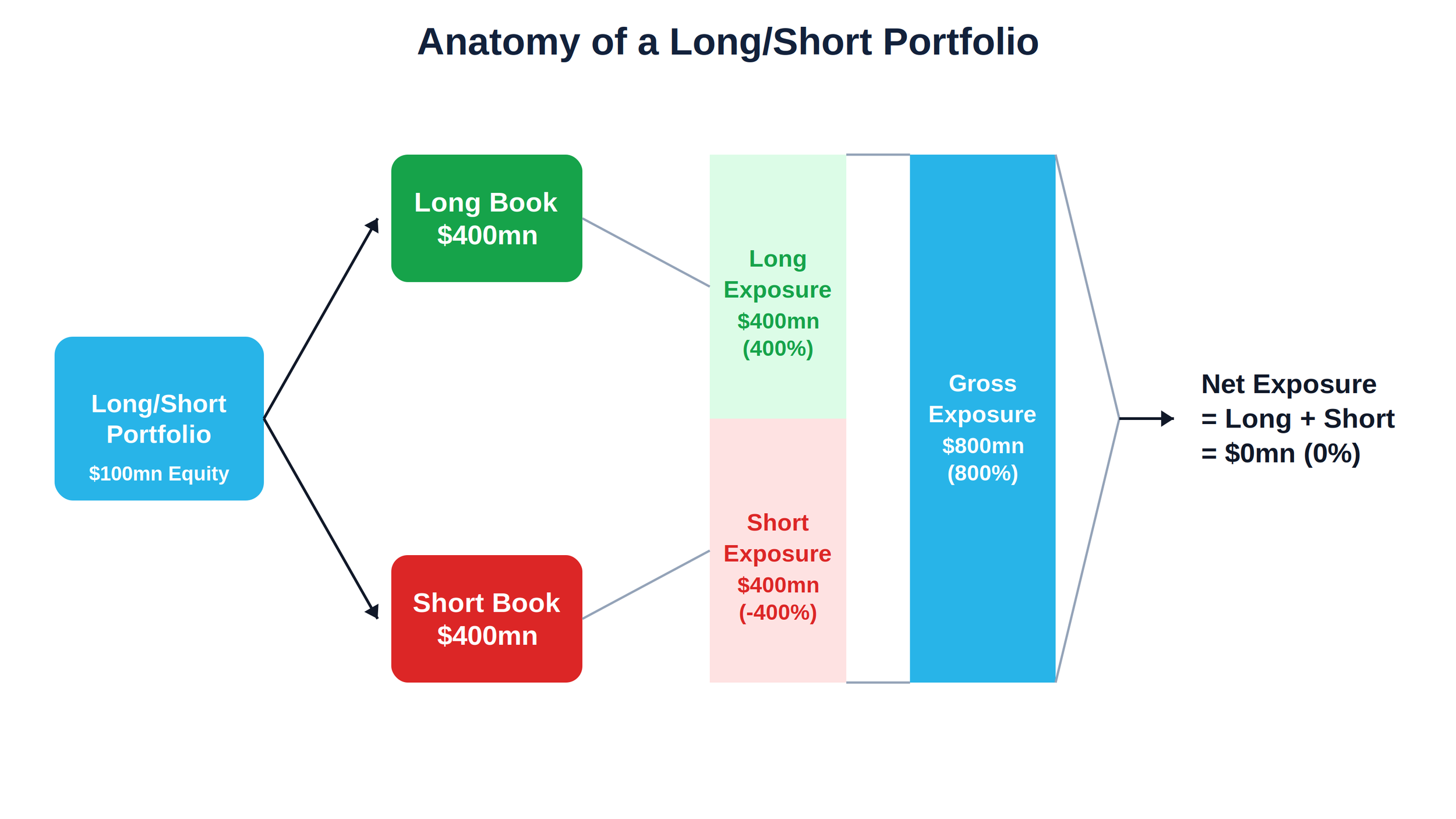
Let's say you were able to do it, so now your 2% in alpha that you were making before becomes two times eight, which is 16%.
Now that's a pretty decent return, you're making $16 million on $100 million, a 16% return.
That's how the math works, because even though there's a lot more money being deployed, the return is still calculated on the equity.
So that's basically how there creates a lot of leverage in the system.
This is dependent on the prime broker being willing to lend this much out in securities and them feeling comfortable with your margin limits.
If you're a big company like Citadel that's been doing this for a very long period of time, they are going to be pretty comfortable with you.
If you're a brand new upstart hedge fund, you're not going to be able to run 800% gross exposure.
The Cost of Access: Fees.
So what do you have to do as an investor to get access to a hedge fund like this?
Well, you just have to pay them a lot, a lot of money.
The fees on these hedge funds can be pretty excessive and soak up a lot of the returns, a lot of the benefits of the leverage of the hedge fund.
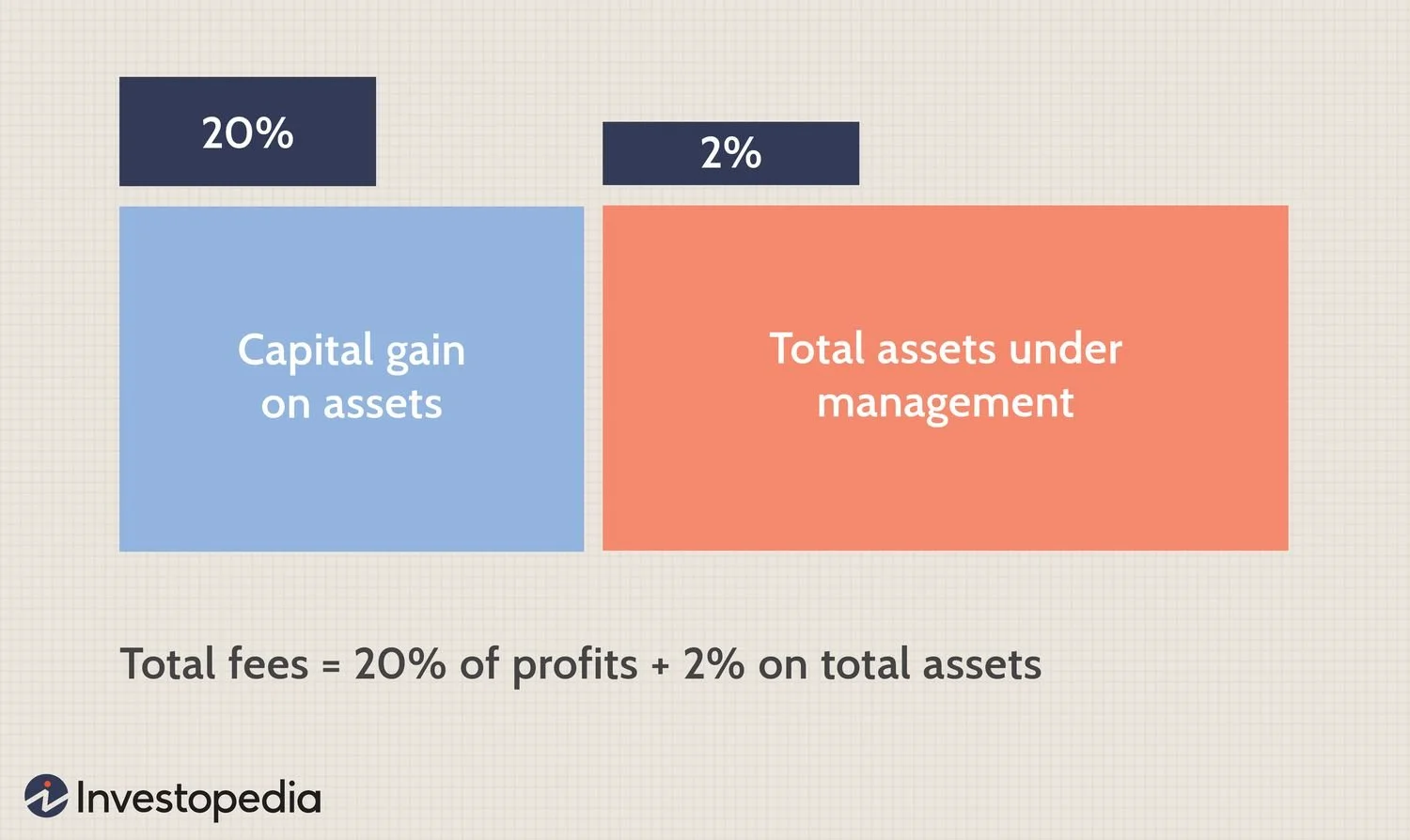
Standard fees are two and 20, they charge 2% of all assets under management and 20% of all profits.
However, a lot of these funds that we talked about, they usually run a much higher expense base because the expenses in the fund are passed through to the investors.
Very often, that can be up to 5% of assets under management, and sometimes they'll take much more than 20%.
I've seen up to 40%, 44% of profits depending on the fund.
The Risk of Blow Up.
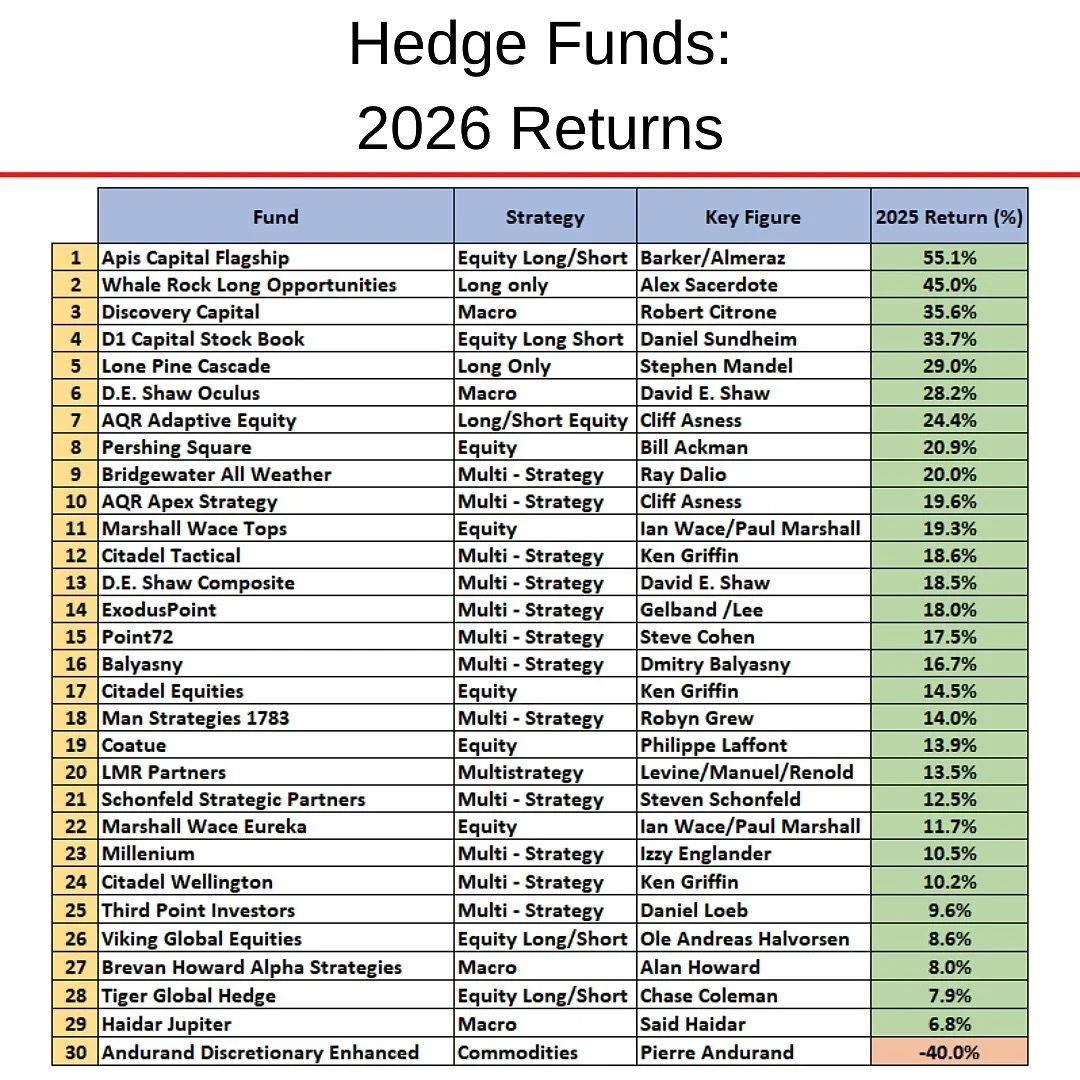
So if you're wondering whether or not the hedge fund model works, whether or not you should invest in them, something like that, there are certain hedge funds that have been around for a long time and do have pretty good track records.
A good number of them have kept up with the market, and some of them have actually beaten the stock market with far steadier returns over time, a little less volatility.
The downside, though, and the risk that you're accepting is there's a risk of blow-up.
Anytime you have this much leverage, if your positions ever go against you very quickly before the risk controls come into effect, you could have a very bad scenario.
This happened to Citadel in the financial crisis.
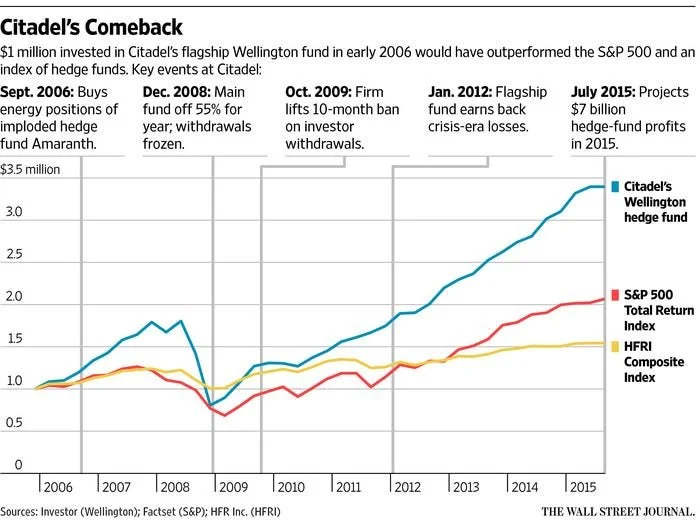
But there is still this risk of a blow-up, and there's lots of blow-ups that have happened in hedge funds over time, even hedge funds that have had a lot of prestige.
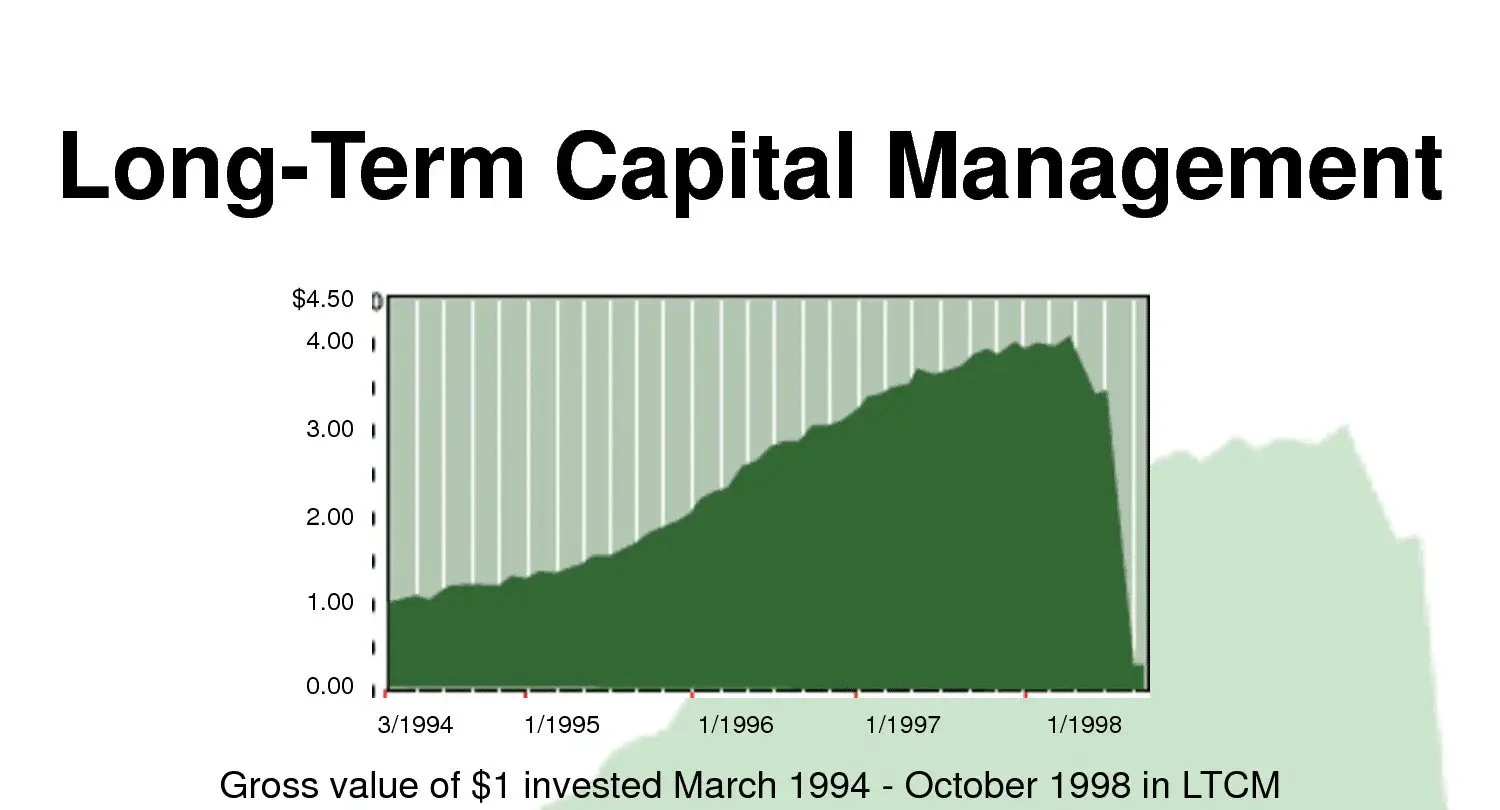
Long-Term Capital Management is kind of the pinnacle example of this, it had literally all of the PhDs that wrote finance theory, and the fund still blew up.
More recently, we've had Melvin Capital, Archegos Capital, the Situational Awareness Fund, and many, many others.
A lot of hedge funds go out of business every single year, not all of them blow up, a lot of them just have very mediocre performance because, as our friend Warren Buffett points out, it is very hard to beat the S&P 500 over time, especially when you are layering in all of these fees.
Key Takeaways.
So the takeaways I want for you to understand is that a hedge fund is usually an absolute return vehicle, it shouldn't necessarily be judged relative to the stock market, the idea is steadier returns over time and less volatility, even if those returns are a little bit lower.
In modern day, though, a hedge fund can basically encapsulate any sort of investment partnership with any sort of strategy, so it's a term that is definitely losing its meaning.
When a hedge fund is properly run and properly set up, it is possible, though, for them to have a pretty good track record and do pretty well over time.
But there's always this counterparty risk in the mix of what if the bank is uncomfortable with our investing, and they don't want to lend us as much money anymore in the form of margin.
That could end any hedge fund overnight if they decide to change the margin limits, that's kind of the tail risk in all of these hedge funds, even if they have been around for a while.
And lastly, because of the very high cost and fees, plus how hard it is to just beat the market, most of them, the vast majority of them, underperform and go out of business.
For more on What is a Hedge Fund, check out the video below.
Nothing in this newsletter is investment advice nor should be construed as such. Contributors to the newsletter may own securities discussed. Furthermore, accounts contributors advise on may also have positions in companies discussed. Please see our full disclaimers here.
