Atlassian Stock Breakdown

Get smarter on investing, business, and personal finance in 5 minutes.
Stock Breakdown
Could Atlassian be the first software company to become a victim of AI?
While nothing is going to happen overnight, their work productivity tools are at risk of being disintermediated in ways other software applications don't seem like they will be.
Even before AI entered the discussion, competitors were circling around the company with many alternative products encroaching on their space.
For 23 years, they used a co-CEO system where both founders ran the company side by side, and that just ended a couple years ago because of a need for a singular leader to direct the company through this AI transformation, which could present an existential risk for the business.
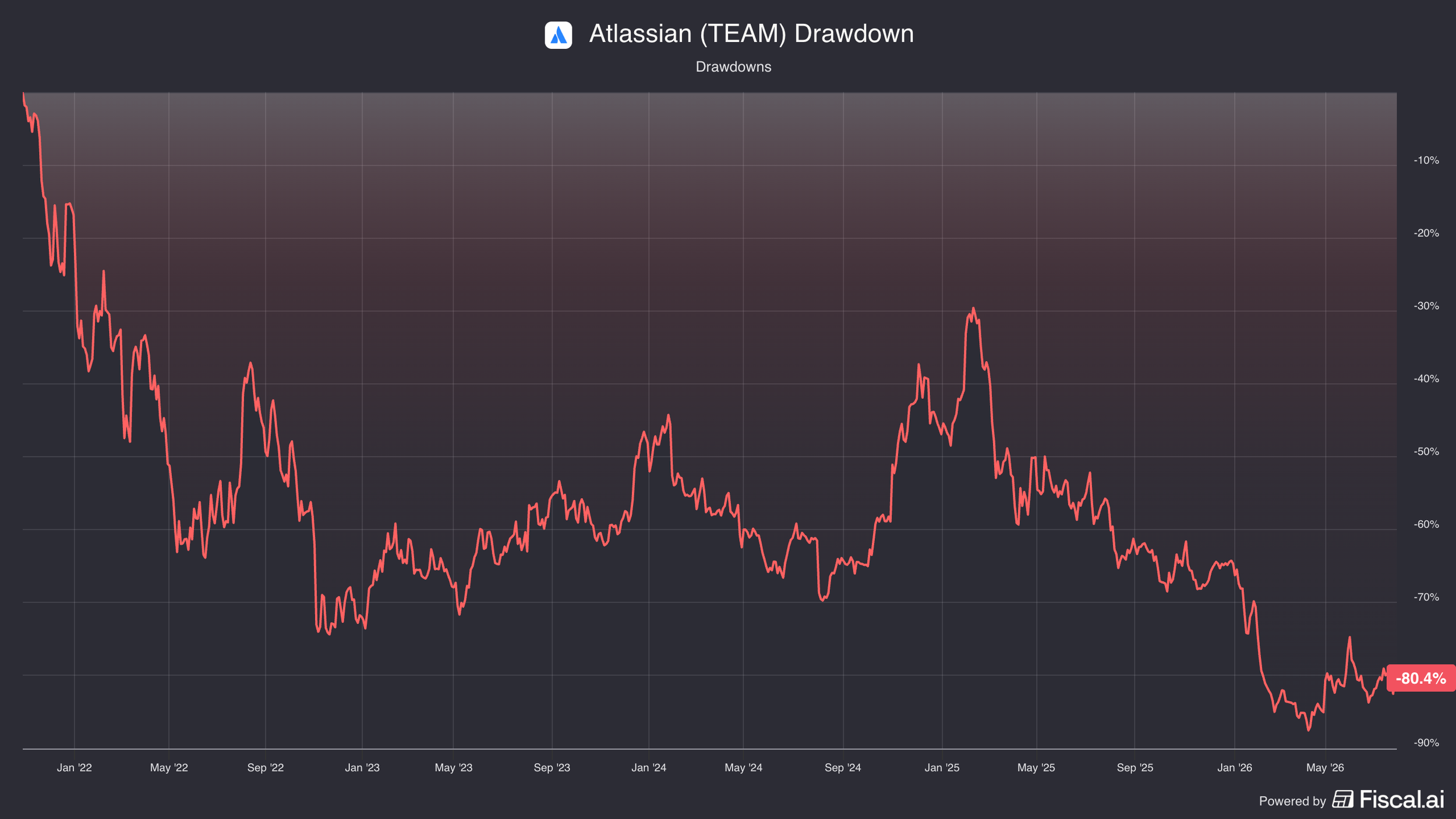
The market doesn't seem to have very high hopes for Atlassian, sending shares down -71% since their high in February 2025, and down even more from their highs in 2021.
However, is the bear case overstated?
Their core product is entrenched in customers' workflows, used every day, and it is very sticky and hard to replace.
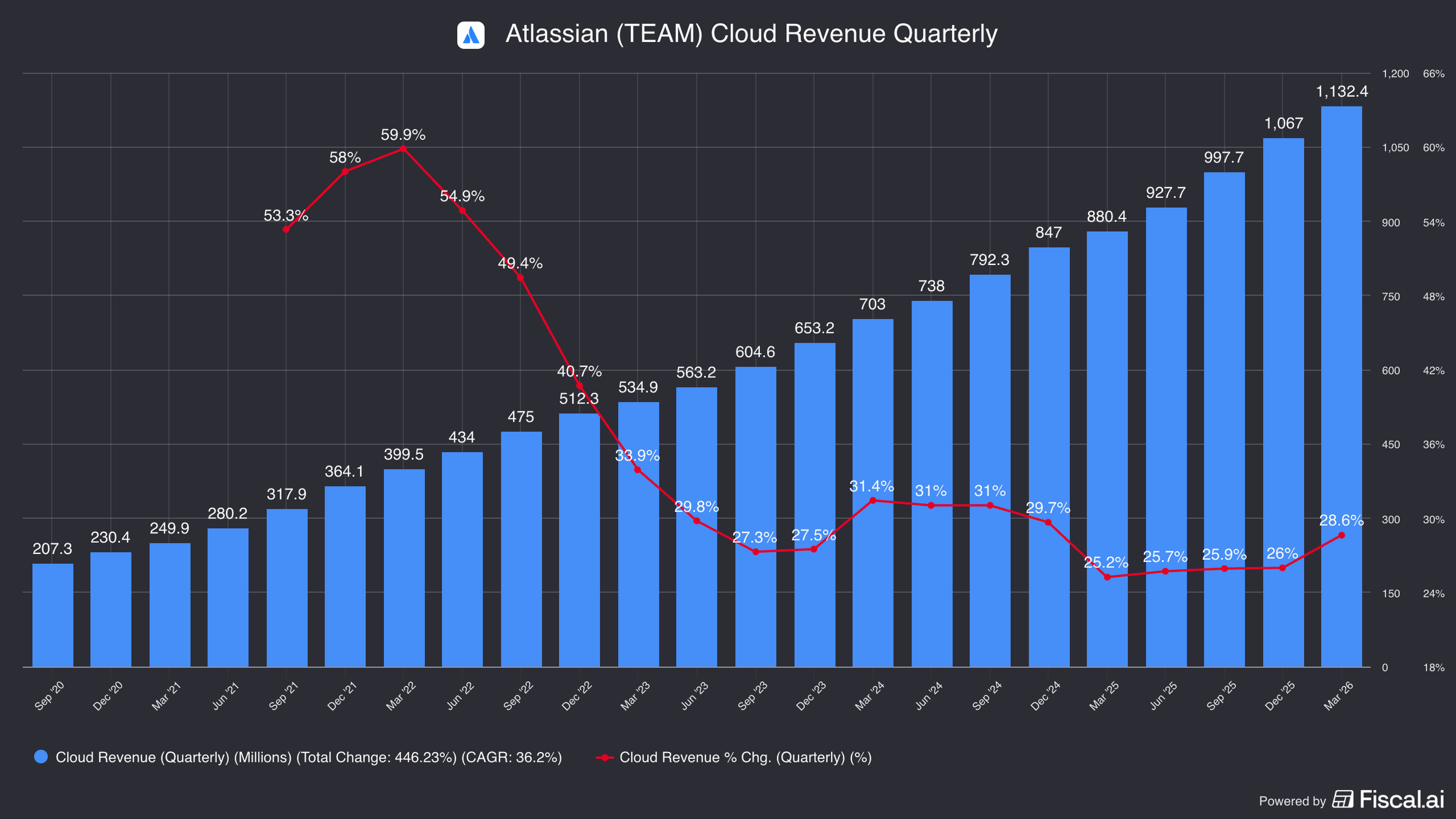
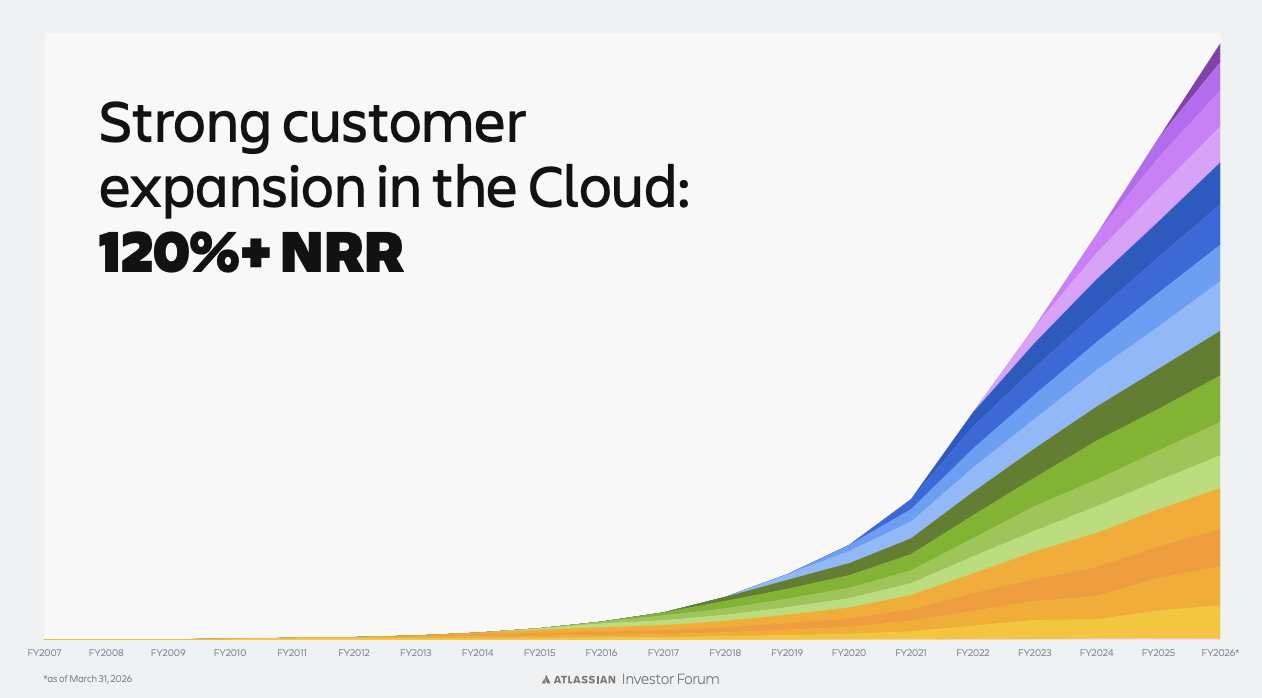
Net recurring revenue for cloud customers is a 120, and revenues grew 25% in the most recent quarter.
In fact, cloud revenue growth re-accelerated to 29% from 26% quarter prior.
So where is the actual risk of disruption, because it certainly hasn't flowed through their actual numbers yet.
In this week’s Five Minute Money, we will breakdown all things Atlassian!
This newsletter is structured to first talk about the business and products, then move to competition and AI, then a lecture on their messy P&L and stock-based comp, and finally conclude with valuation.
Business Overview.
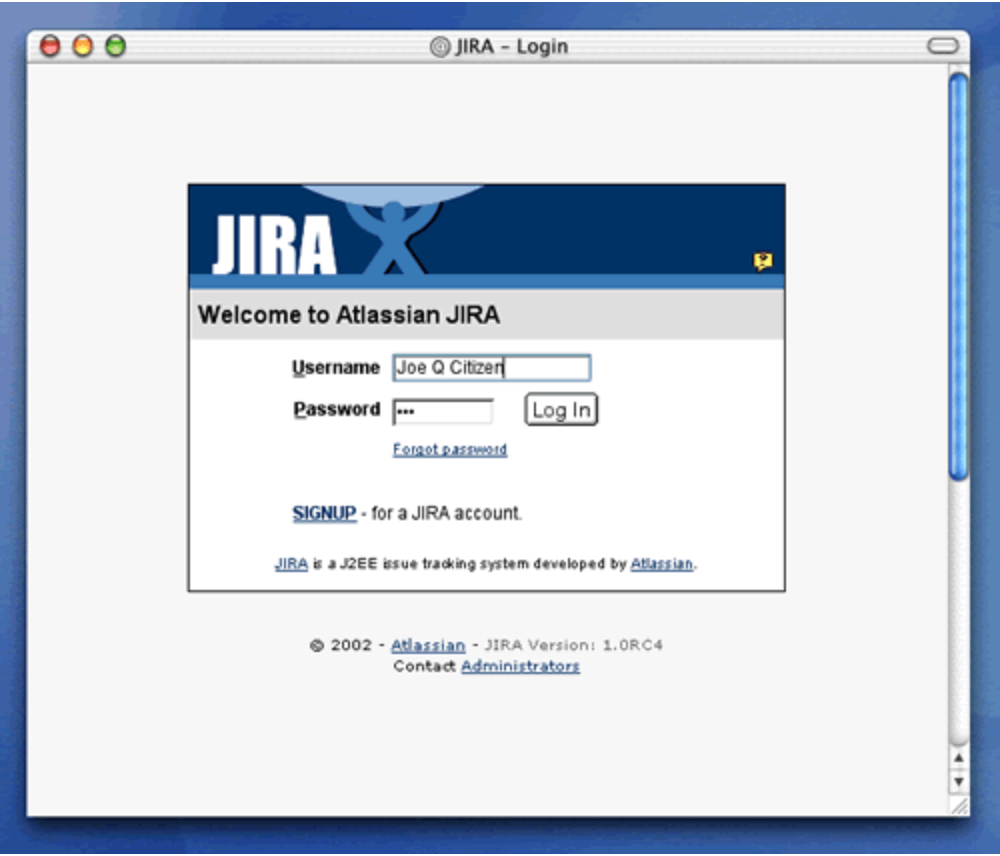
Atlassian was started in 2002, an older technology company.
Any software company started before the cloud was really a thing usually has a product problem, supporting both a legacy on-premise product and a cloud or SaaS product.
That's very much the case with Atlassian, since one of their segments is data center, selling to enterprises that wanted to keep on-premise servers.
As a result, they have to support two different products, which is more expensive and usually means more bugs, since something fixed in one version isn't always fixed in the other.
Core Products.
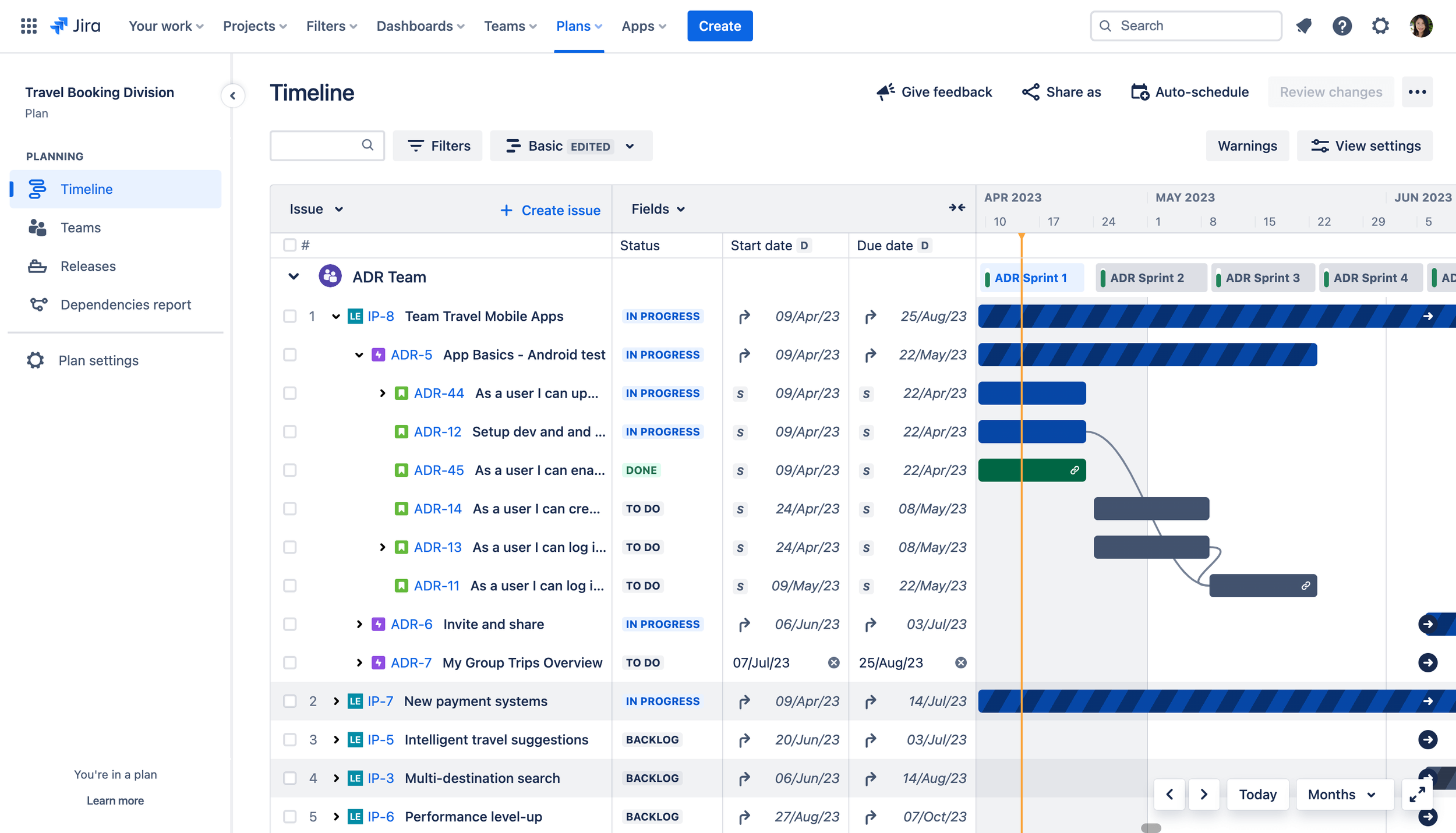
Their flagship product is Jira, project management software for planning, tracking, and coordinating tasks across teams.
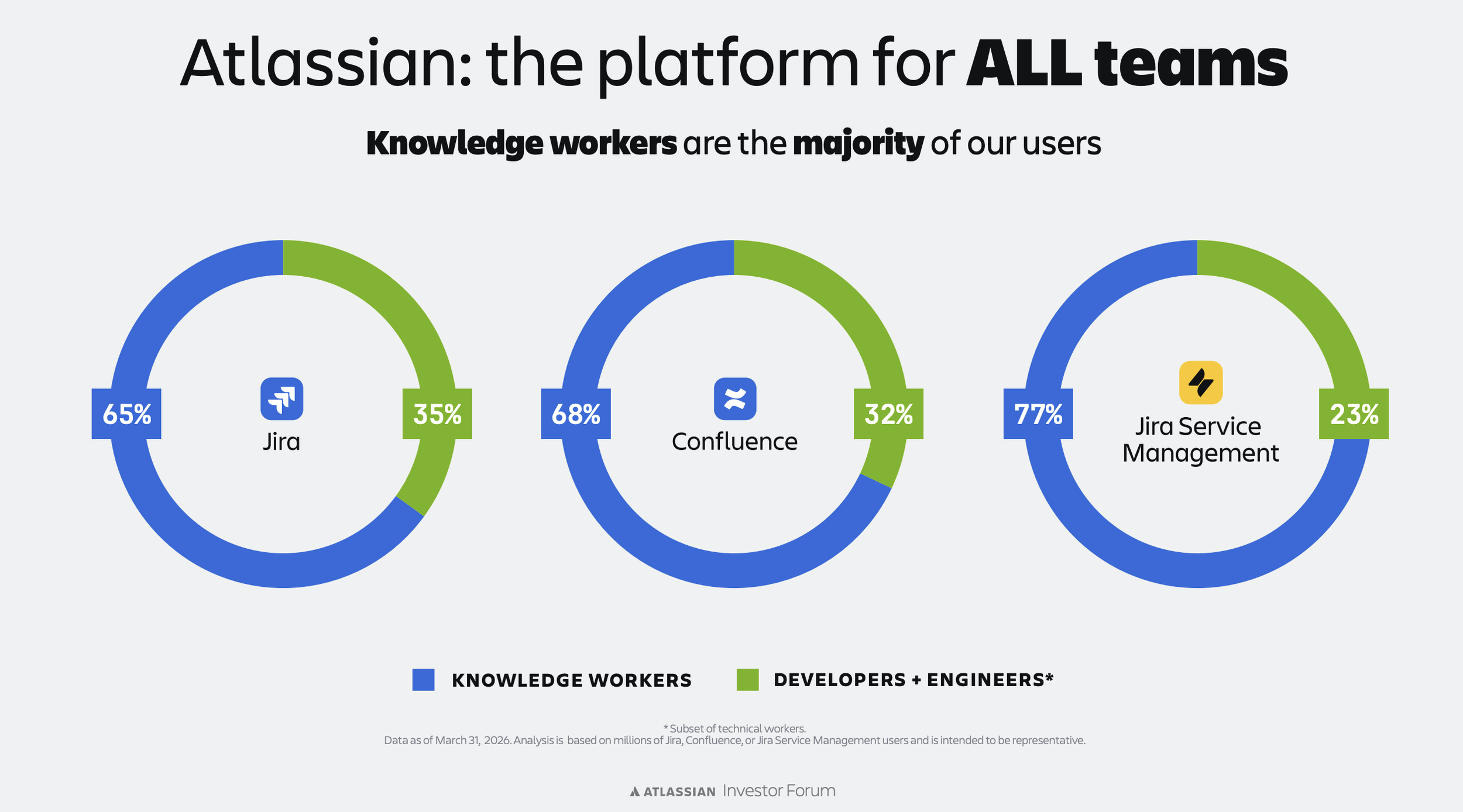
It was originally designed for software developers, and that's still their stronghold, though it's broadened to non-developer knowledge workers, with a split of about 35% developers to 65% knowledge workers.
Since it's pretty old at this point, it's also known to be a little bloated and slow, with customers complaining things don't always work.
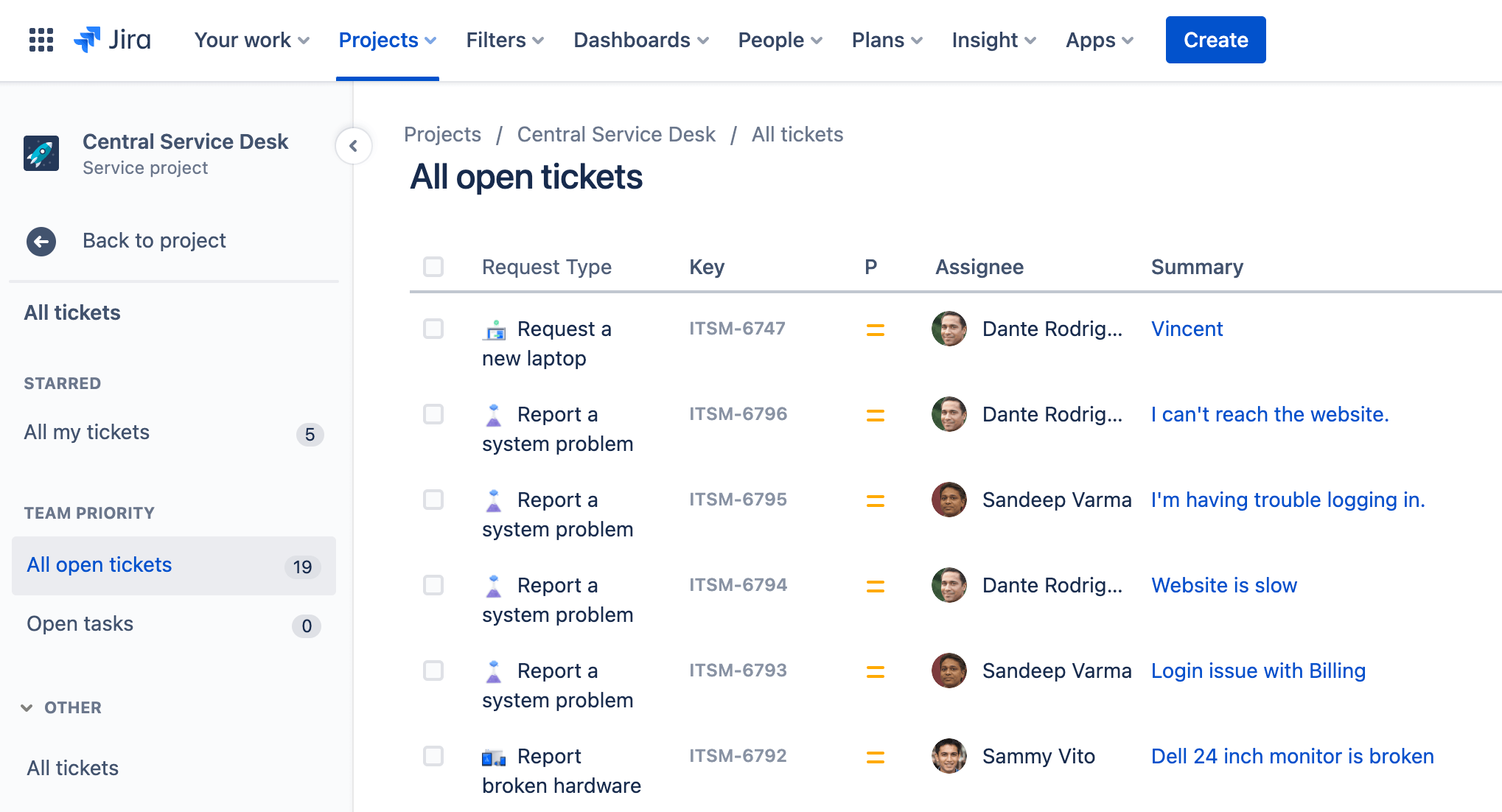
They also have Jira Service Management, which does IT service management, directly competitive with ServiceNow but focused more on middle market and smaller businesses.
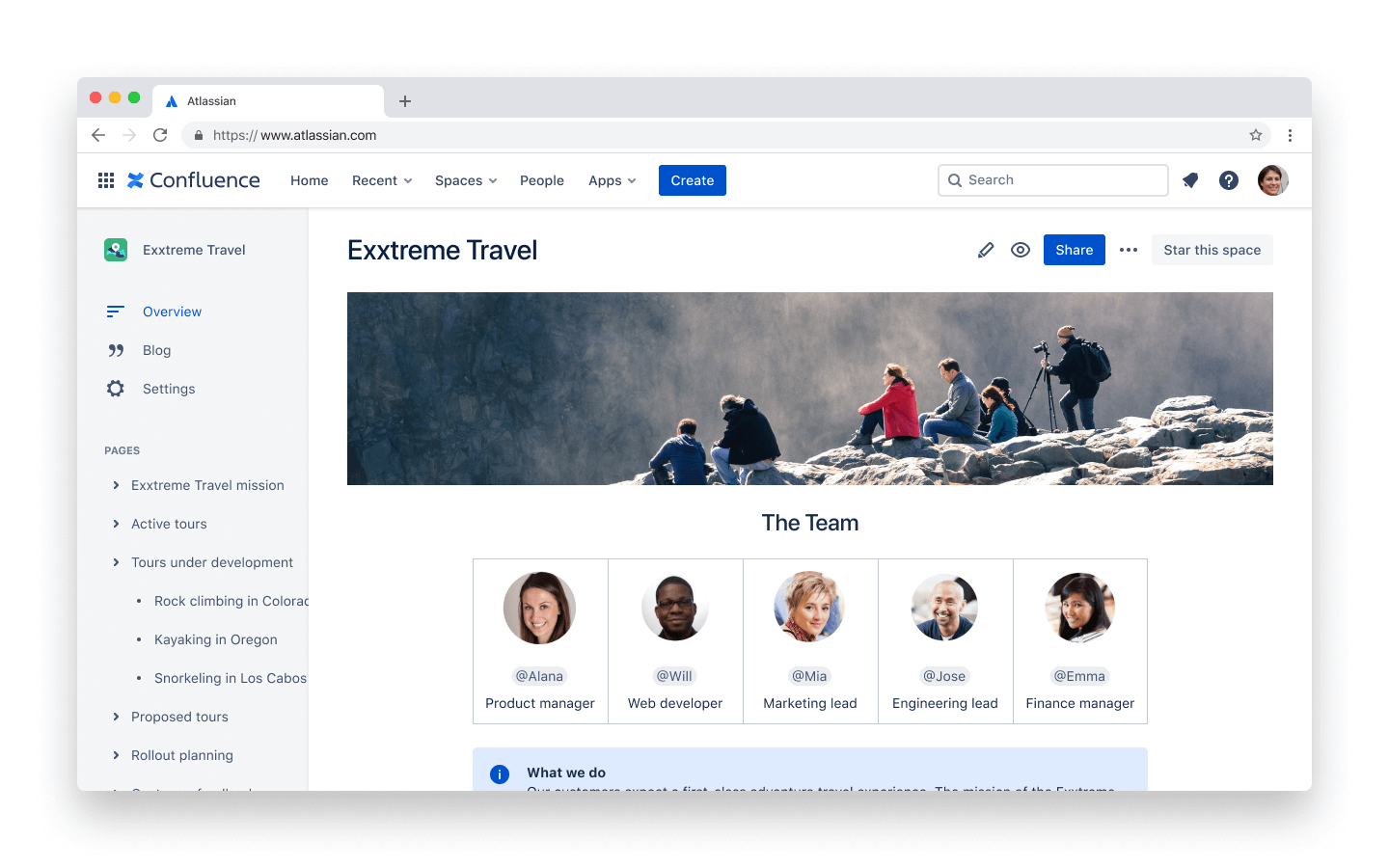
Confluence is about creating and collaborating on documents.
All of these are known as system of work apps, carrying a work record in the database, which matters for their AI assistant, called Rovo, since it draws from that record to answer questions.
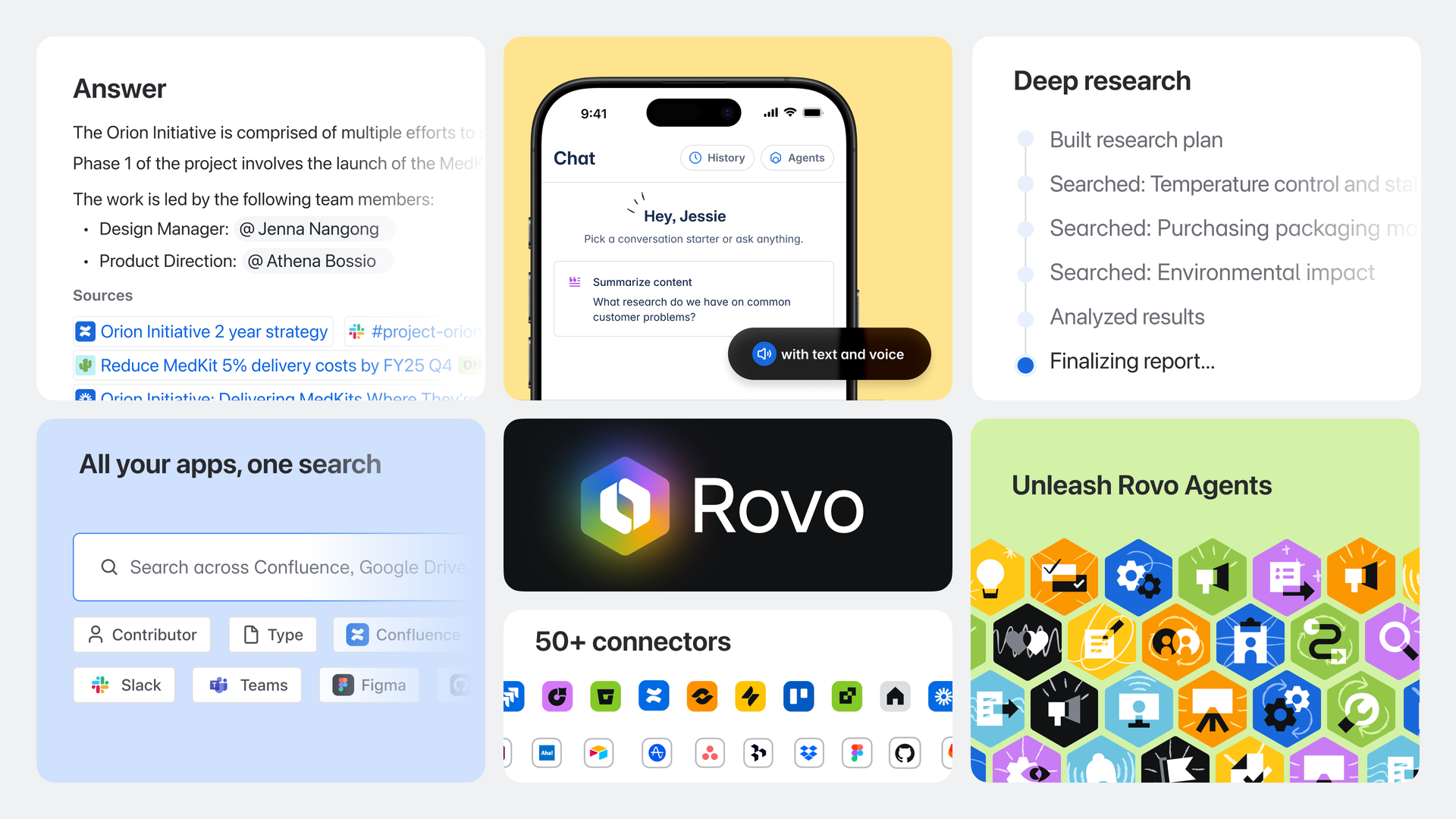
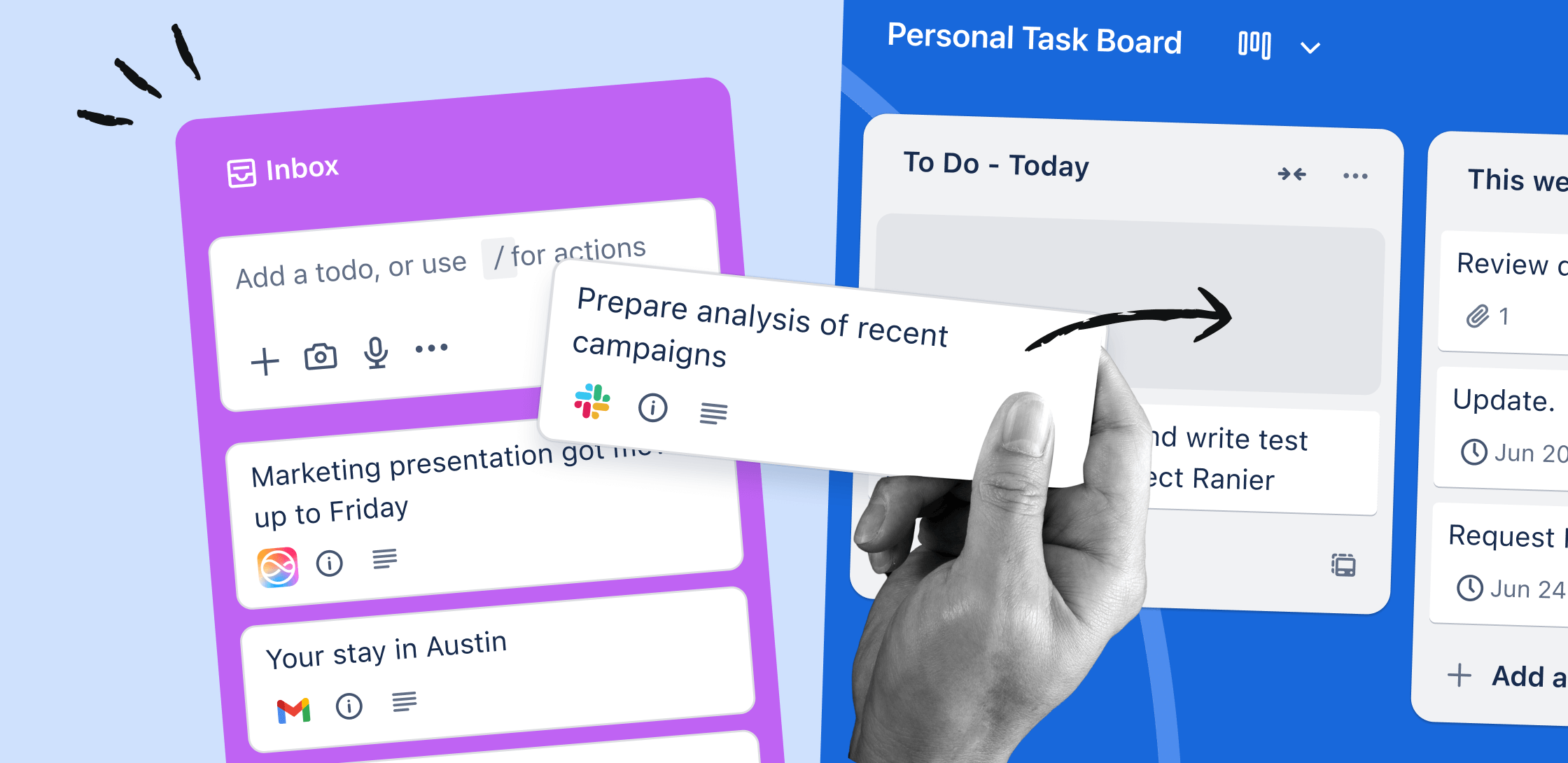
Other apps include Loom, for recording asynchronous videos, and Trello, a visual management tool with boards.
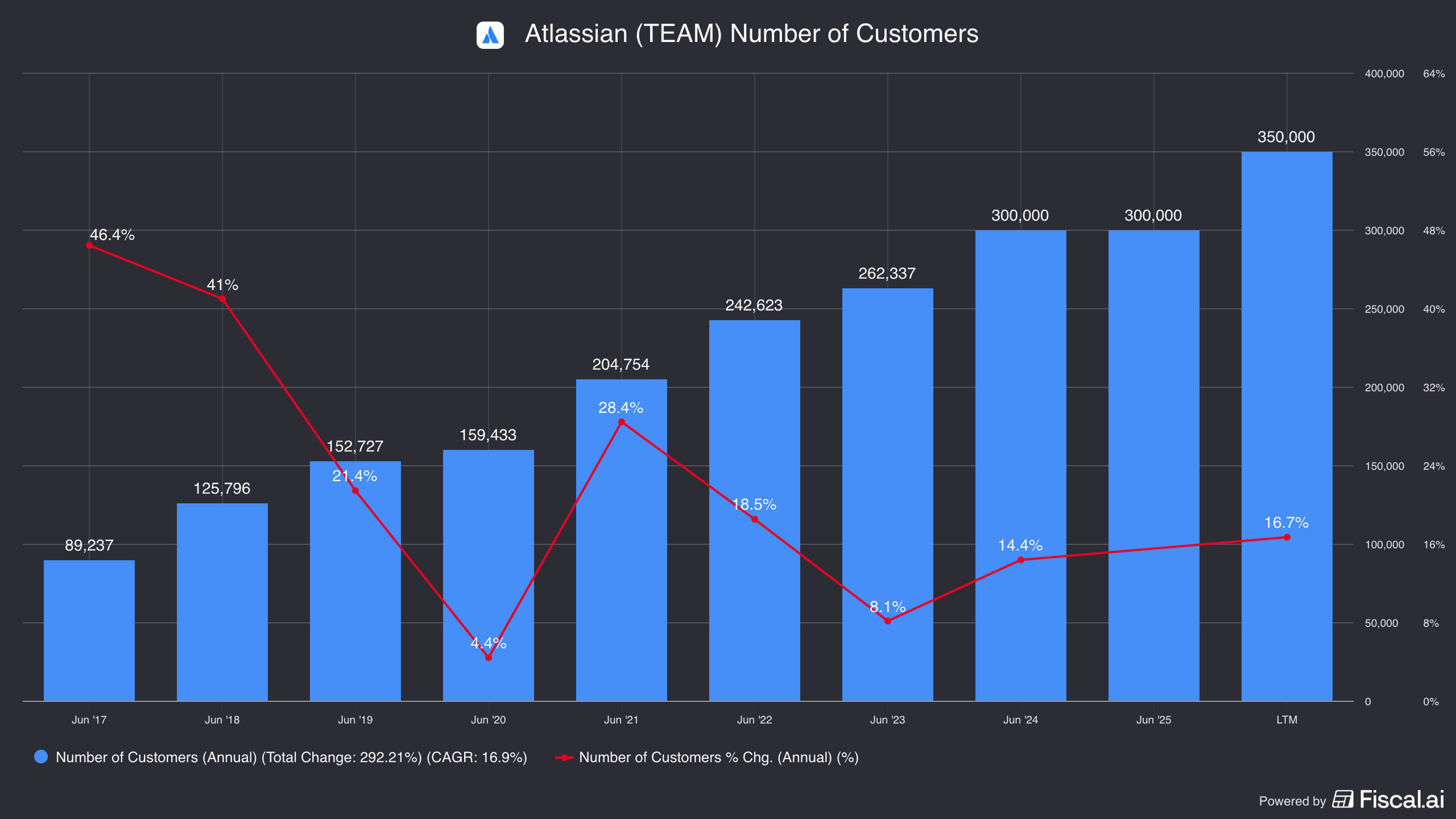
Right now they have 350,000 customers, and at least one person at 80% of Fortune 500 businesses uses one of their apps.
They use freemium, per-seat pricing, roughly $8 a month for basic Jira, $15 for premium, and $15-30 for bundles of multiple apps.
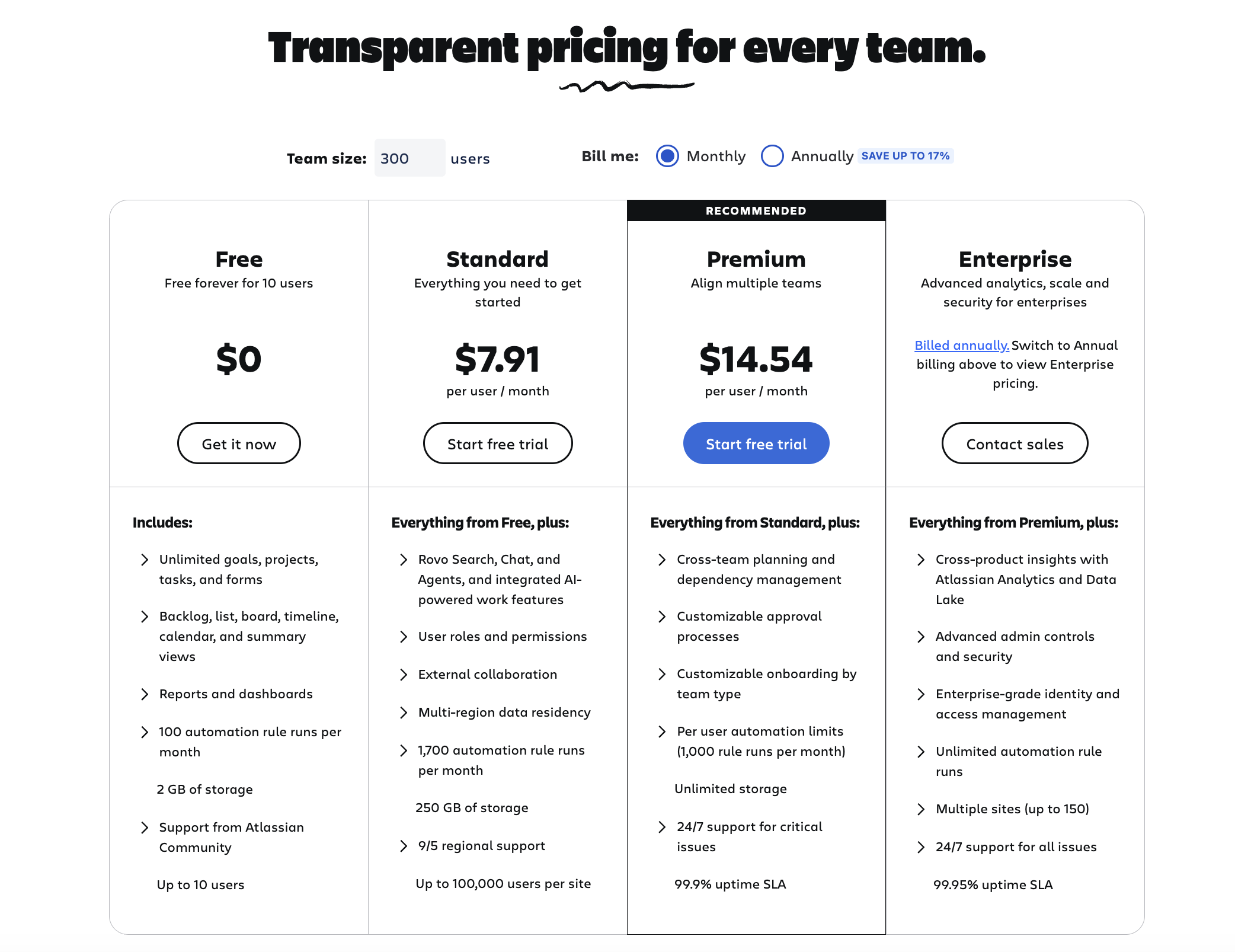
Not terribly expensive, but it adds up across hundreds of employees, and a CTO looking at the tech budget could feel death by a thousand cuts, though Atlassian is already thought of as one of the lower cost players.
The pricing model being per-seat matters, because the value is tied directly to individual employees, unlike some other software companies where a business can still get more value even with fewer employees using the tool.
If a company has half as many employees using project management tools because AI agents are doing the work, Atlassian's value didn't go up, they weren't the reason for the productivity gain.
Their AI assistant Rovo can answer questions and synthesize information from the work record, but it's not really doing work for you the way AI agents from ServiceNow, Microsoft, and Salesforce aim to.
That's an important distinction as we think about per-seat pricing coming under pressure, though seats have actually been growing so far, so this is still a hypothetical risk.
Operating Segments.
They have three operating segments.
1. Cloud at $4.1bn in revenues, growing 29% y/y.
2. Data Center at $1.7bn in revenues, growing 44% y/y
3. Marketplace & Services is 7% of revenues, for about $315mn in revenue.
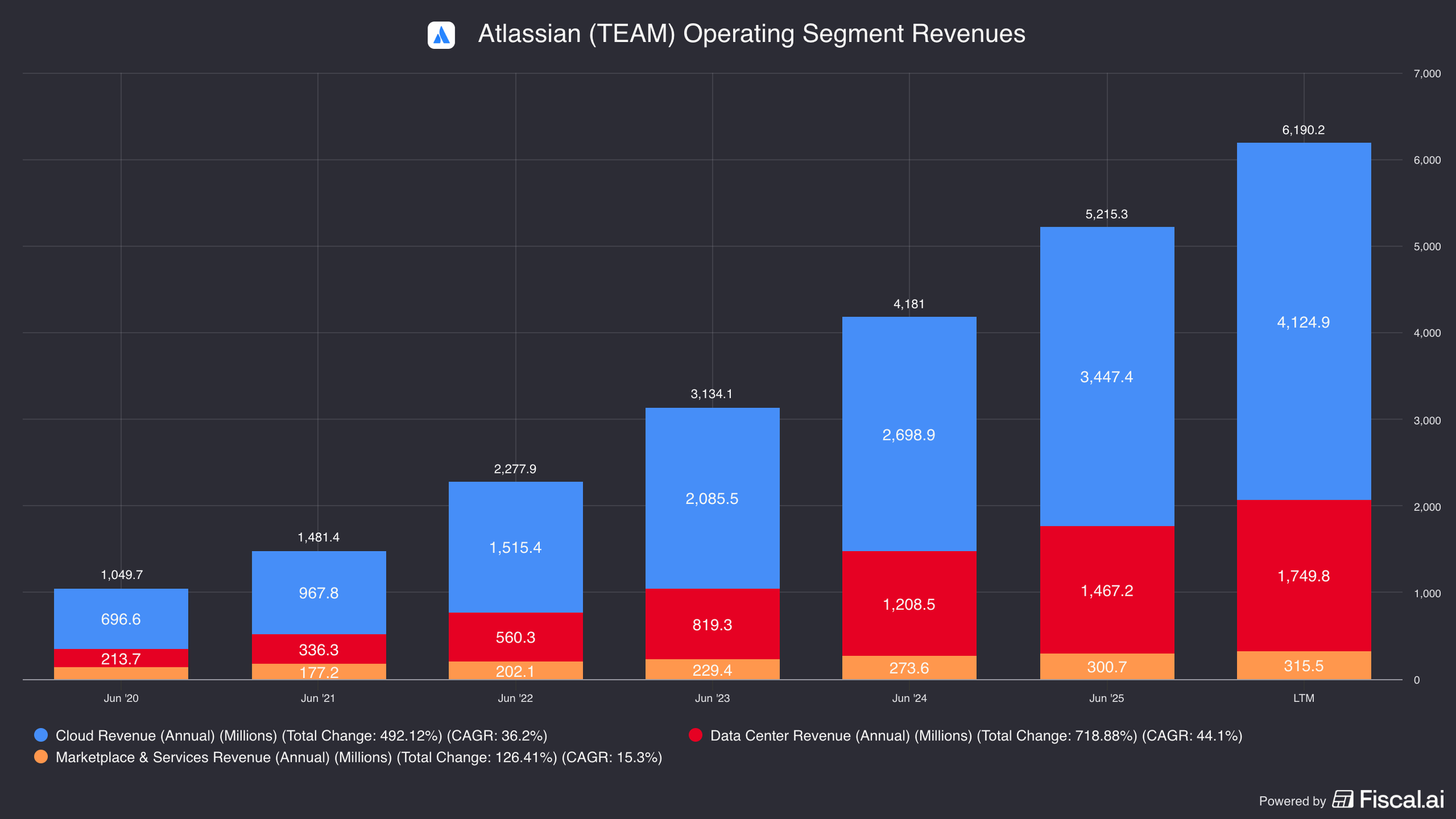
They've announced they're pushing everyone to the cloud, with high price hikes for those staying on data center, and they'll stop supporting it by 2029.
What's happened is a lot of companies re-signed for data center rather than migrate, which boosted overall revenue growth last quarter, but they expect that to decrease, potentially go negative, the following year, since it was a one-time re-up before an eventual, lower-priced cloud migration.
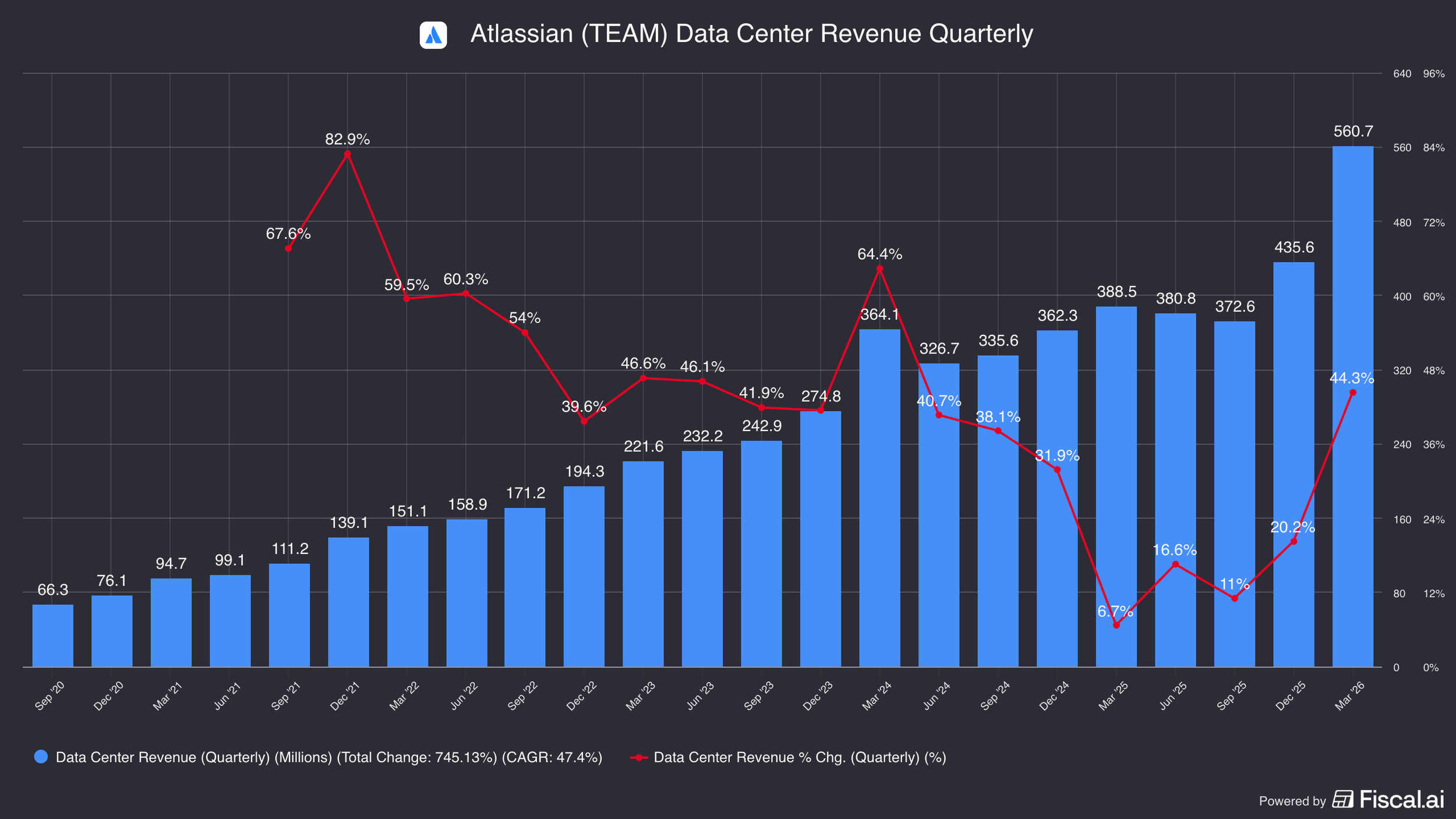
This migration is a potential churn event, since going through the headache might make a customer look at alternatives, but generally people have been migrating because the product is still sticky if employees use it every day.
If a hundred employees use a product daily at $15-20 each a month, you're not getting rid of that for no reason.
It's a habit, and productivity would go down without it, which is why it's sticky and not that much of a cost focus when companies look to save money.
Competition and Growth.
There are a lot of competitors, and Atlassian has a right to maintain rather than a right to win with existing customers.
It's a legacy product, a little slow and bloated, but if you've used it for years, you're used to it and don't want anything else, so you really have to mess it up to get someone to leave, which lines up with that 120% net revenue retention among cloud customers.
Four Places Growth Can Come From.
1. Growth in seats among an existing client: getting more people within a company already using Jira to also use it.
2. Cross-selling or bundling: adding Confluence, Trello, and Loom with a discount.
3. Increasing prices, which they've been doing.
4. Entirely new customers: businesses with none of Atlassian's software yet.
The fourth category is going to be the hardest for them to grow in the future.
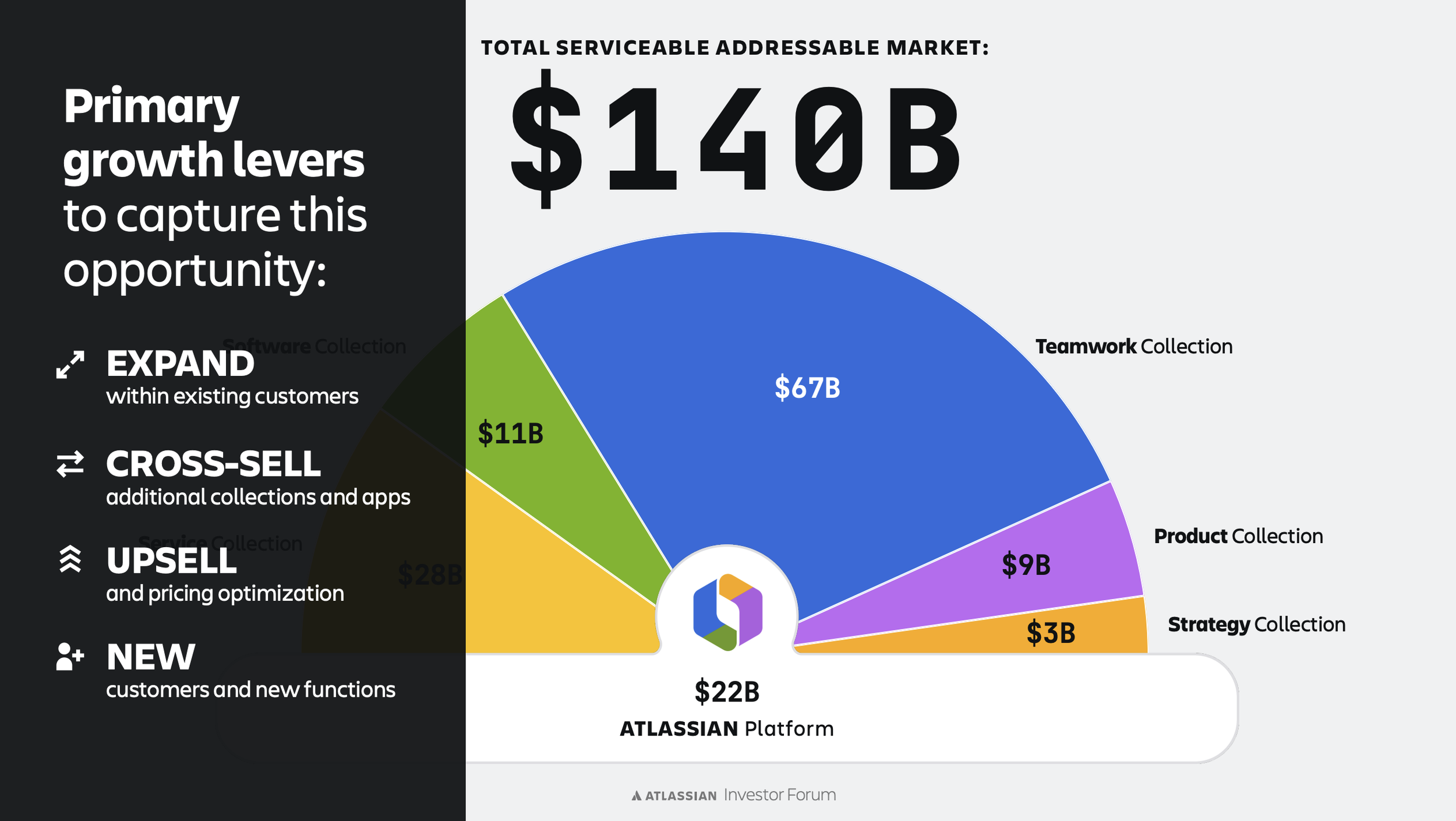
Their prospects are best among existing customers, growing seats, raising pricing, and bundling, while new customers will be much harder to win, and that's already showing up in the numbers.
Customers with over $10,000 in ARR have been slowing for basically the past nine quarters to 10%, down from 20% two and a half years ago and closer to 30% a year before that.
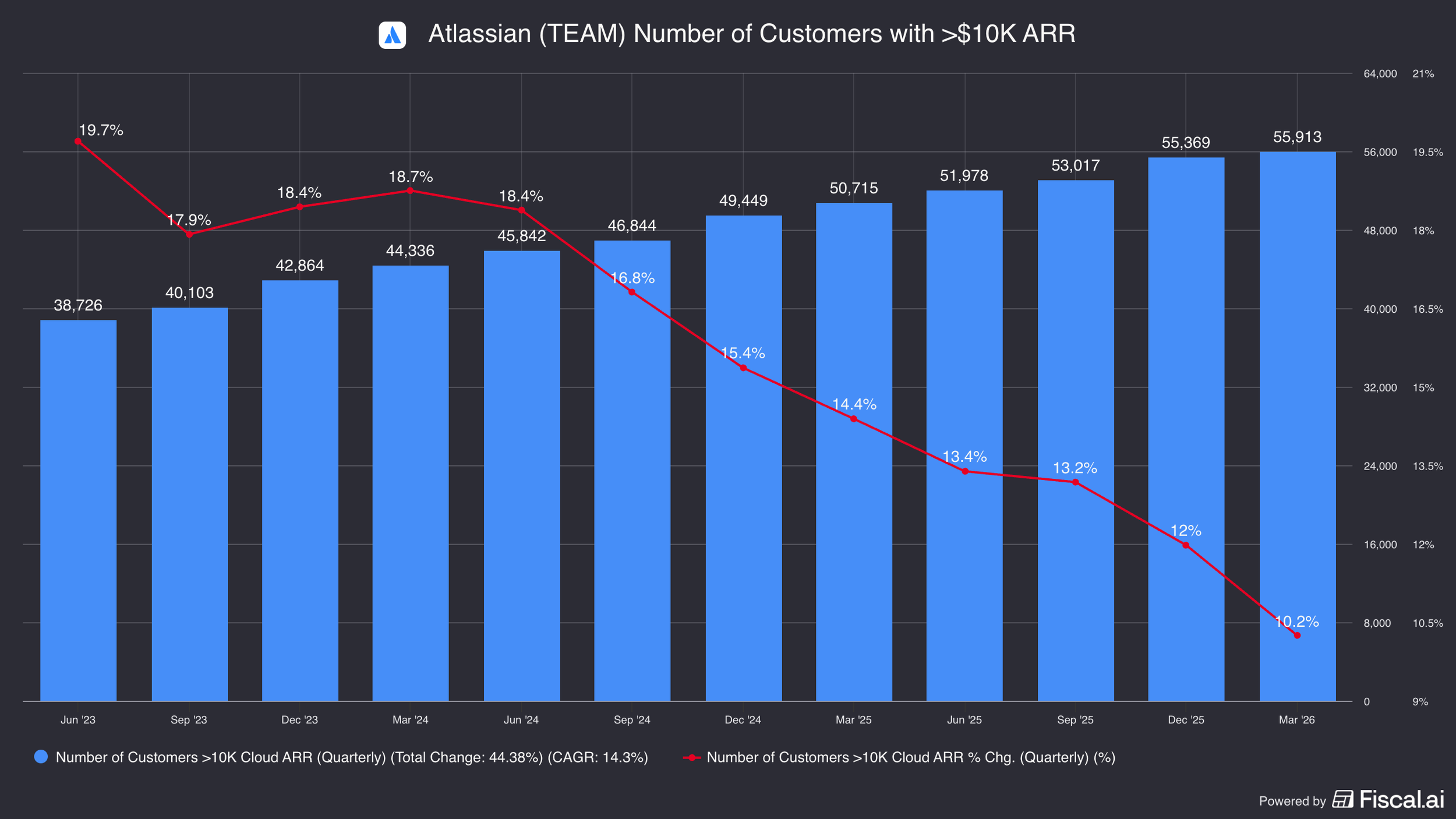
That's largely due to new competition and simply not having the best product anymore.
Within existing customers, growth is also pushing them to more expensive plans.
From 2021 to 2025, the percent on a standard plan went from 74% to 33%, while enterprise went from 3% to 26%.
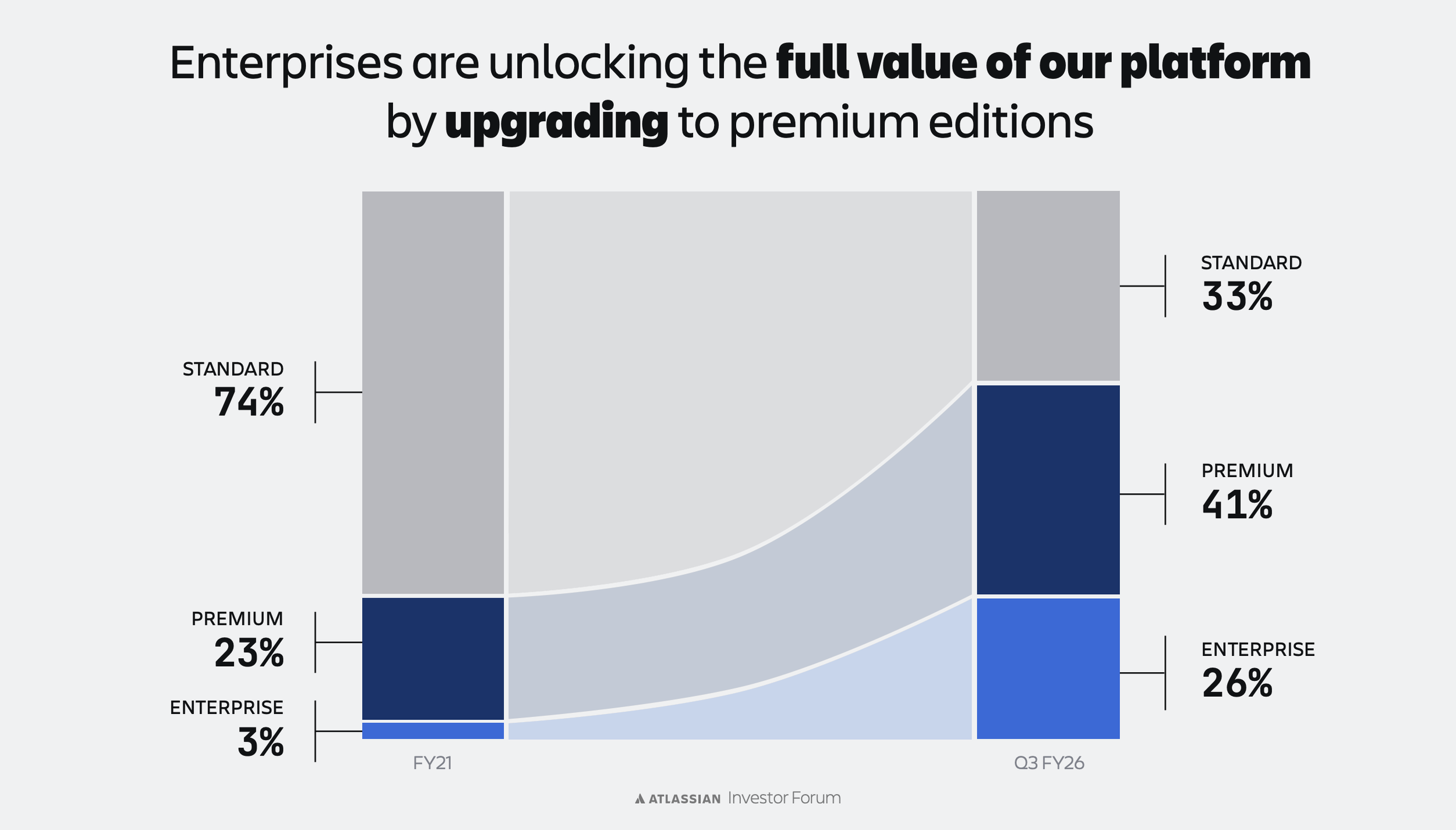
That's a more limited growth factor going forward, since you can only push people up so much, and a lot of that growth lever has already been used.
There's still room in seat expansion and pricing, but that will likely get harder with more competitors and AI fears, leaving new customer wins as the remaining lever, which is going to be harder given the competitive landscape.
Jira Competition.
On the Jira product, there's a lot of competition from a new tool called Linear, built by developers who left Atlassian frustrated with how bloated and complicated the product had become, wanting a leaner version for software developers.

It's become pretty popular, especially with new startups.
There's also GitHub, owned by Microsoft, and GitLab, where more of this planning is happening directly.
Monday.com and Asana are both formidable and growing.
Confluence Competition.
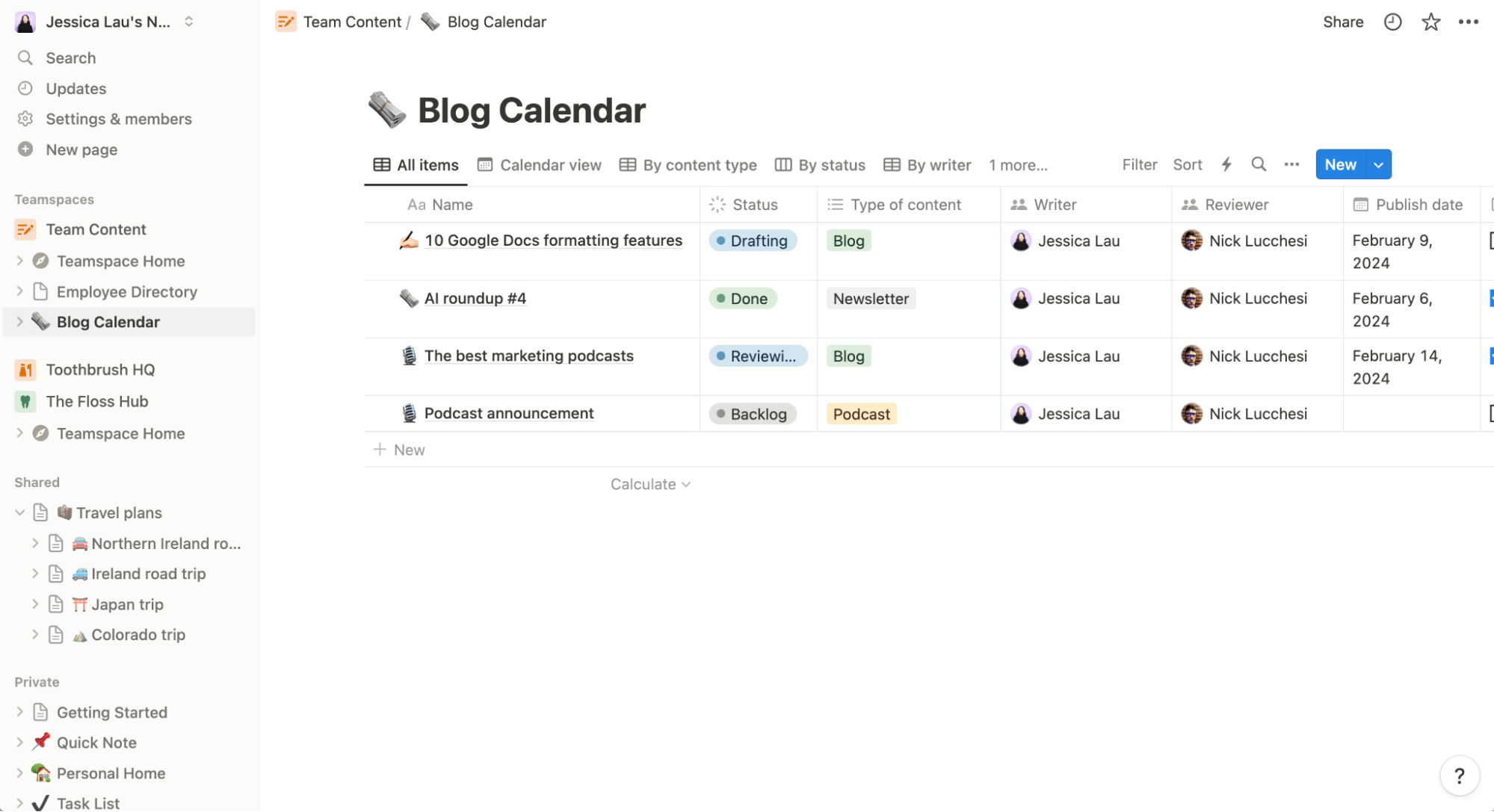
Confluence faces Notion, a similar freemium product, plus Microsoft SharePoint, Loop, and Coda.
Jira Service Management Competition.
Jira Service Management competes with ServiceNow, Freshworks, and Zendesk.
Monday.com, and ClickUp.
Many of these came after cloud became standard, so they don't carry the same legacy tech debt.

Competition has been weighing on their ability to attract new customers.
I don't believe they have a best top-tier product anymore, though the bundle of multiple apps still gives them wins on price competition, and they're still growing customers 10%, even if that's been cut in half in just a couple years.
The Messy P&L and the AI Risk.
This was a product that seemed to be having issues being stale even before AI, with customers complaining it doesn't change much and new features don't work quite as well.
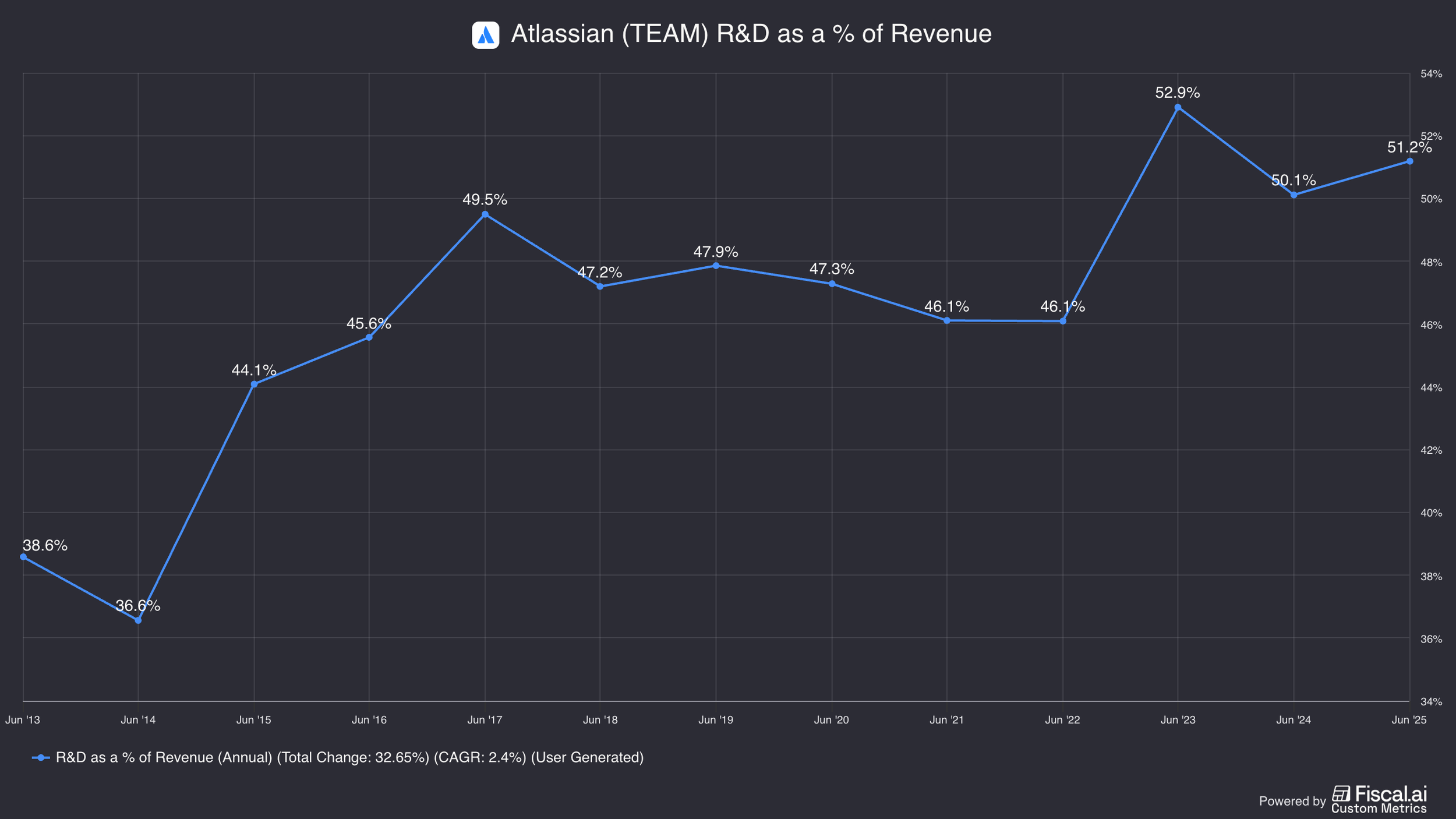
In response, they're hiring a lot more developers, spending 50% of revenue on R&D, a number that's increased a lot in the past couple years, funded heavily with stock-based comp that's diluting shareholders.
Stock-based comp as a percent of revenue is 25%!
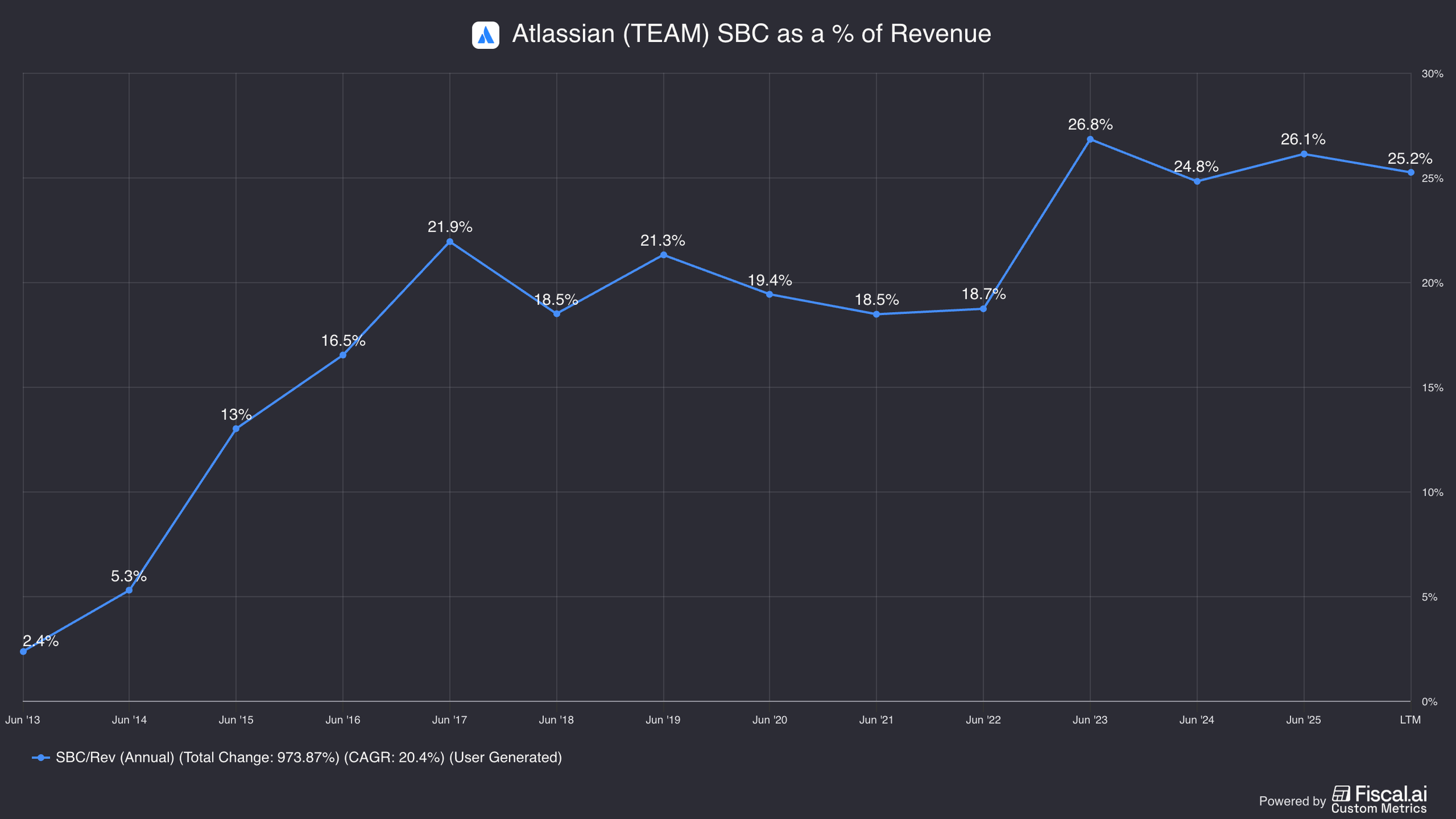
Backing that out of cash flows, they're heavily cash flow negative still, and that percentage has actually increased from 18% a few years ago, itself already high, to almost 25% on much larger revenue.
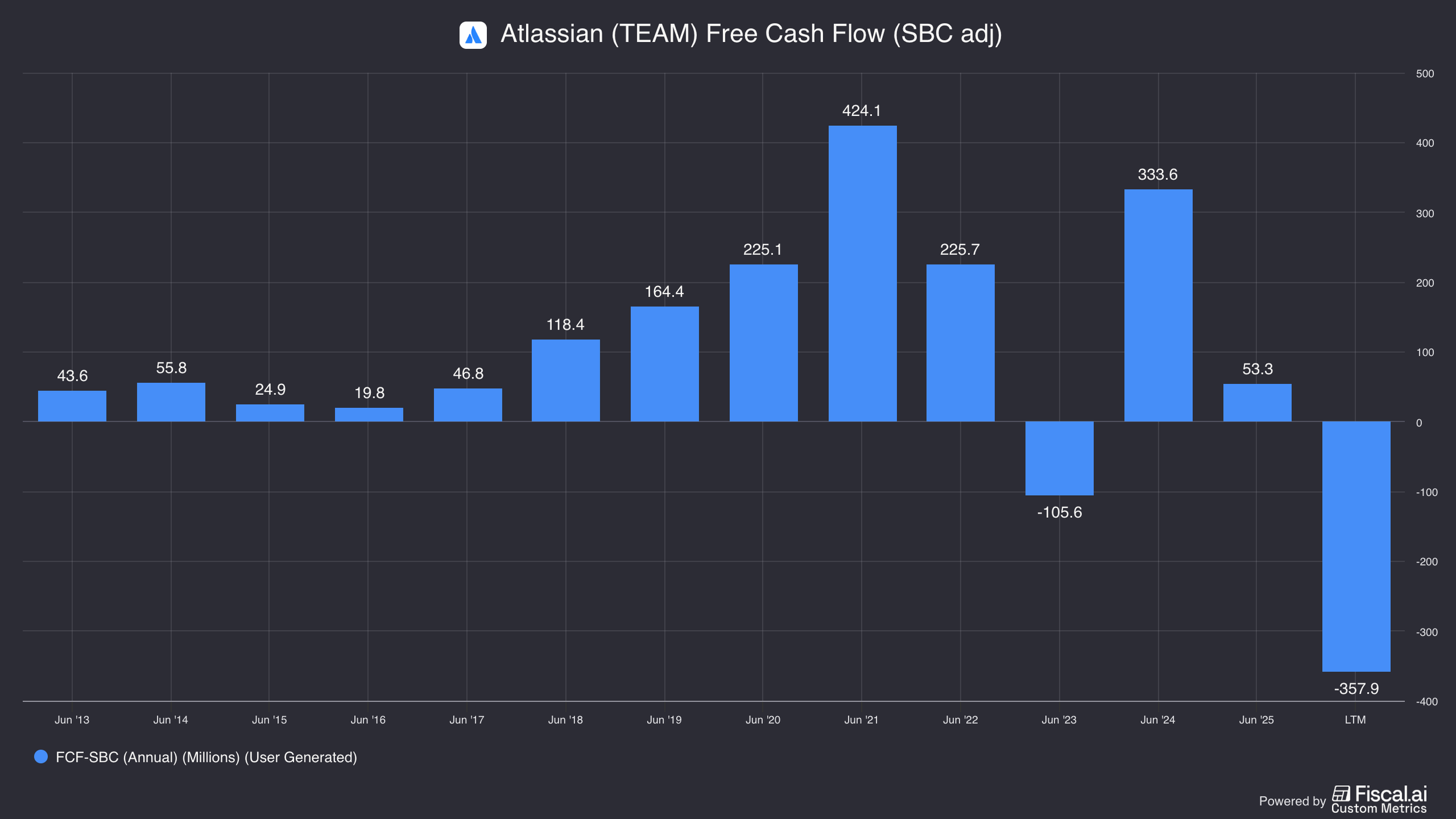
A big portion of this R&D has gone to AI efforts, and I'm honest that I don't know they have a ton to show for it.
Why AI Is a Bigger Threat Than Opportunity.
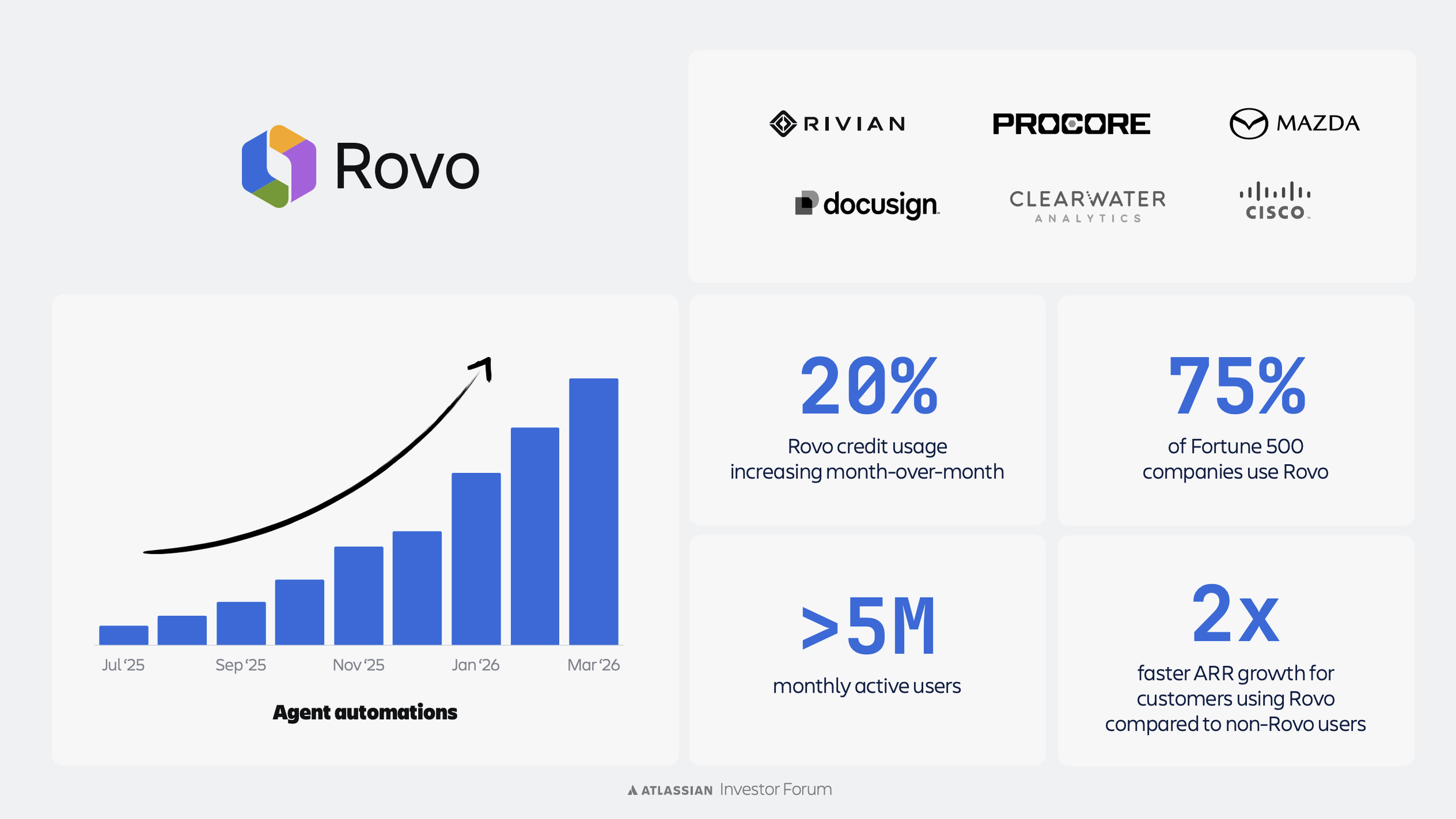
Customers using Rovo have ARR growing twice as fast, though the cost of running it, including token costs, isn't clear.
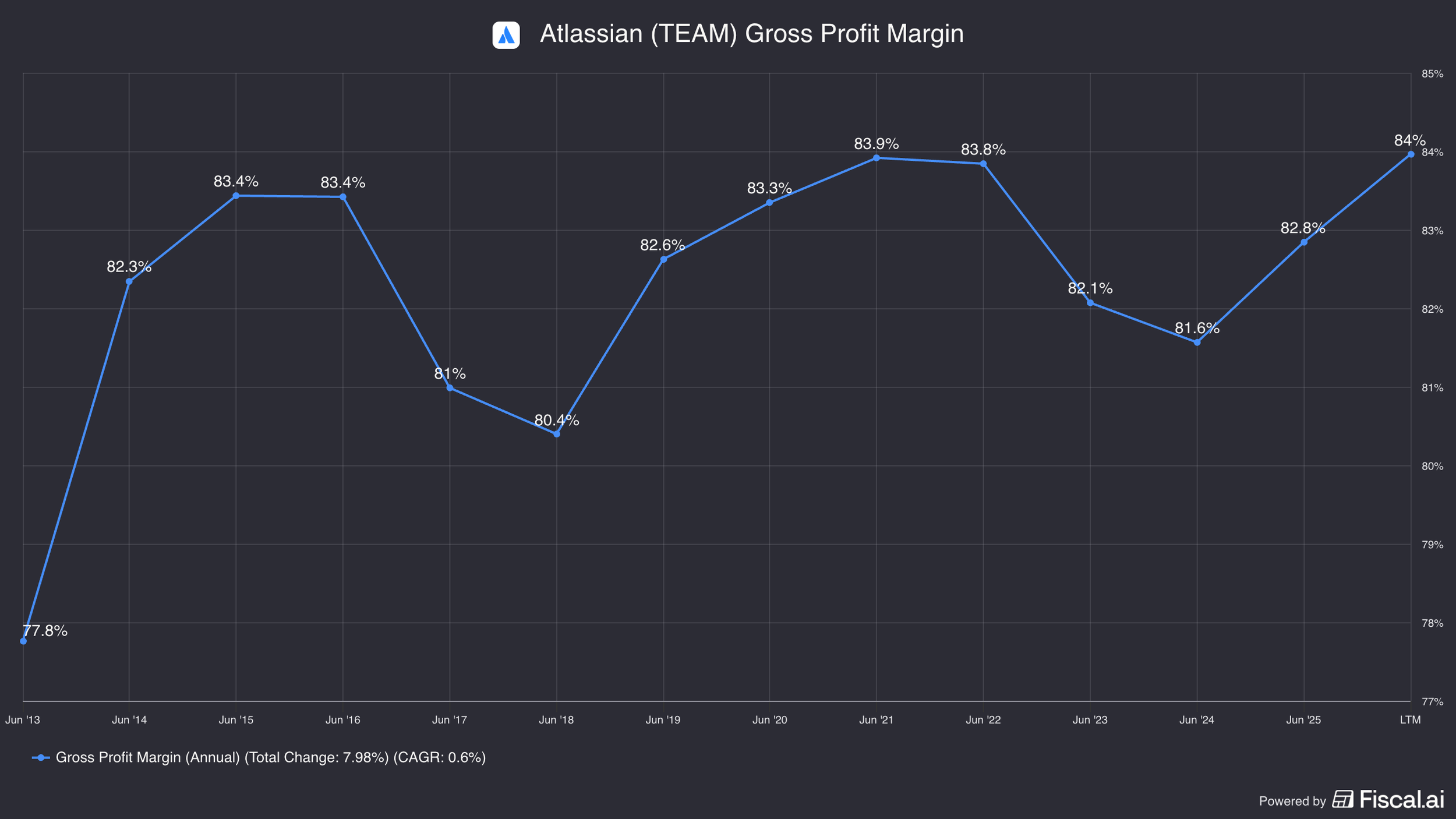
Gross margins are pretty high, mid-80s percent, about as high as a SaaS company gets, but none of it flows to the bottom line.
The general AI idea is a context or teamwork graph of work history with an AI assistant layer on top.
I think AI is more a threat to them than an opportunity.
You can charge a usage fee for the AI layer and take pricing up a bit, but the existential risk is worse, that workflows stop starting in a project management tool like Jira at all, and instead start in an AI chatbot or agent layer that fills out and coordinates tasks directly.
That shift in how customers interact with the product is particularly scary for them, even if nothing changes overnight, since a company's valuation is the discounted sum of future cash flows, and that shift is scarier for Atlassian than for a lot of other businesses.
The Browser Company Acquisition.
A couple of their recent acquisitions show how scary AI can be for them.
One was The Browser Company for $610mn, a company that built an internet browser, and Atlassian wants to integrate their products directly into it, since people are increasingly going to chatbots online for anything work related.
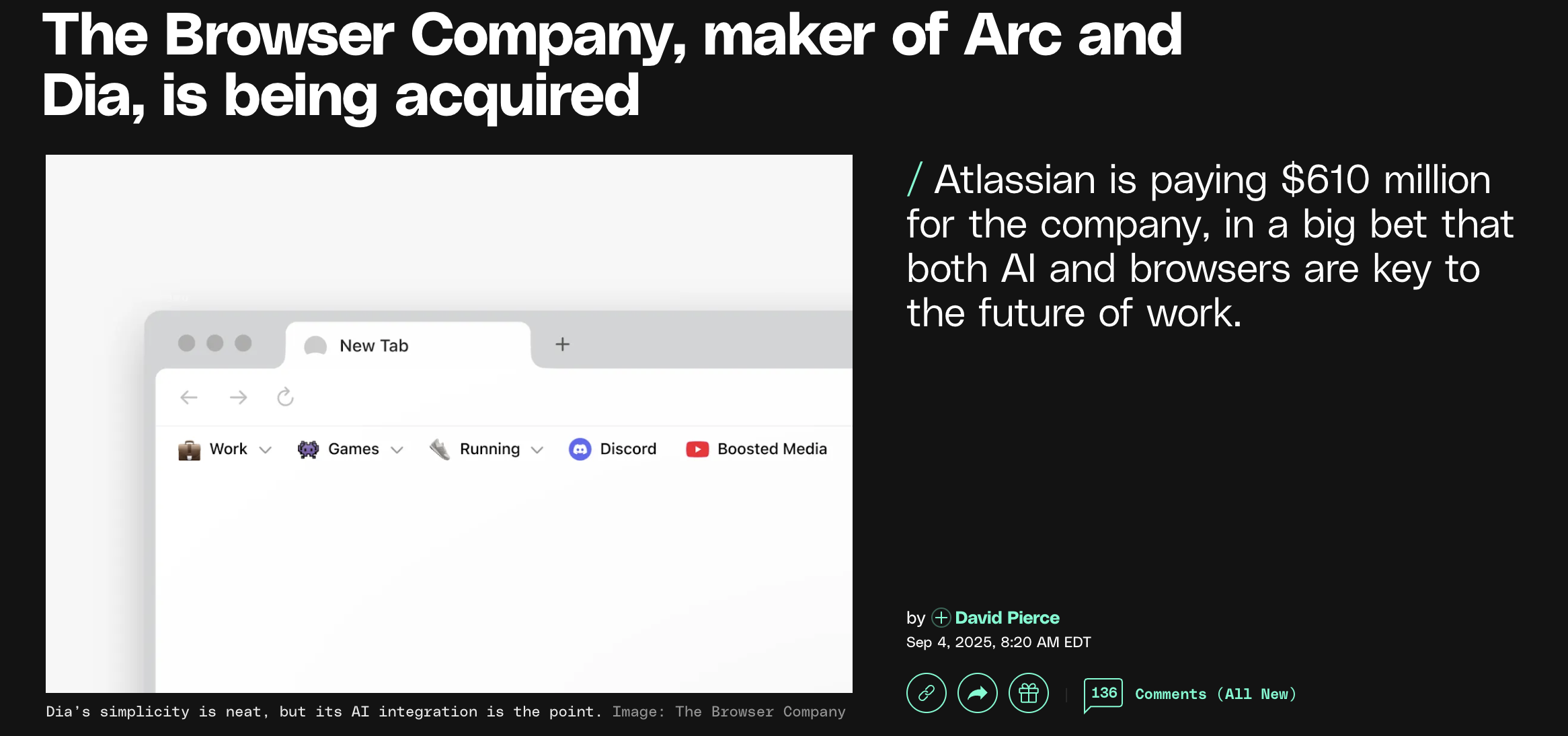
I think it was a pretty bad idea, because it's not clear what customer wants Atlassian's apps to be the center of their internet browser.
Enterprises are really particular about what browser they use, since that's a huge security risk, and it doesn't seem likely people are replacing Chrome, Edge, or Safari for a browser from Atlassian.
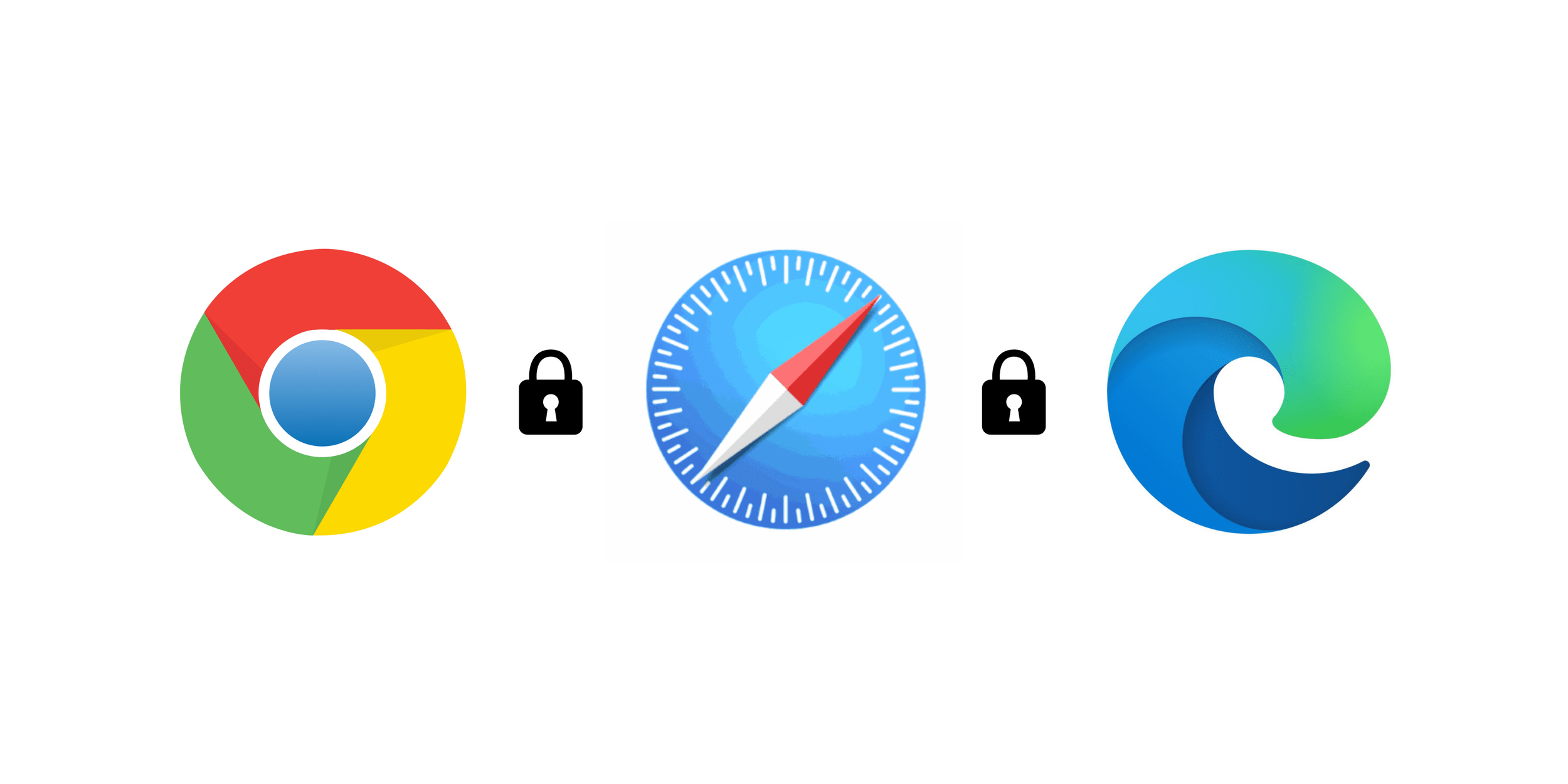
To me it's an admission that they're scared, since Jira could become a headless pipeline that still holds the workflow record but is never directly interacted with, while a different AI layer sits on top, and that layer could come from many companies, Microsoft with Copilot, ServiceNow trying to be the AI control tower, Salesforce too.
It doesn't seem likely that layer runs through an Atlassian browser.
Distracted Leadership.
In addition, the co-CEO structure ended in 2024 after 23 years, leaving Mike Cannon-Brooks as the sole leader after Scott left, officially to spend time with family and philanthropy, though rumors floated about disagreements on strategic direction, plus a weird story about the two of them fighting over adjoining multi-million dollar mansions and permission for a renovation.
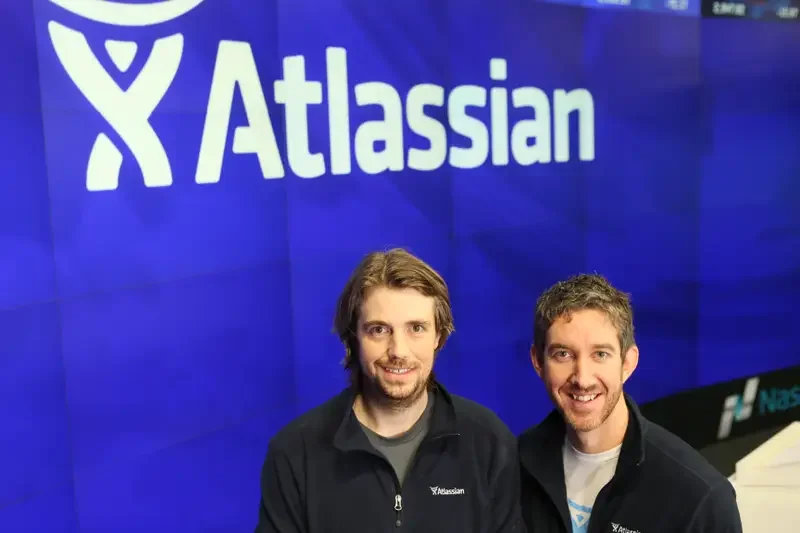
Around the same time, Mike bought a stake in an NBA team, and it all seemed like distracted leadership at the moment this AI threat became central.
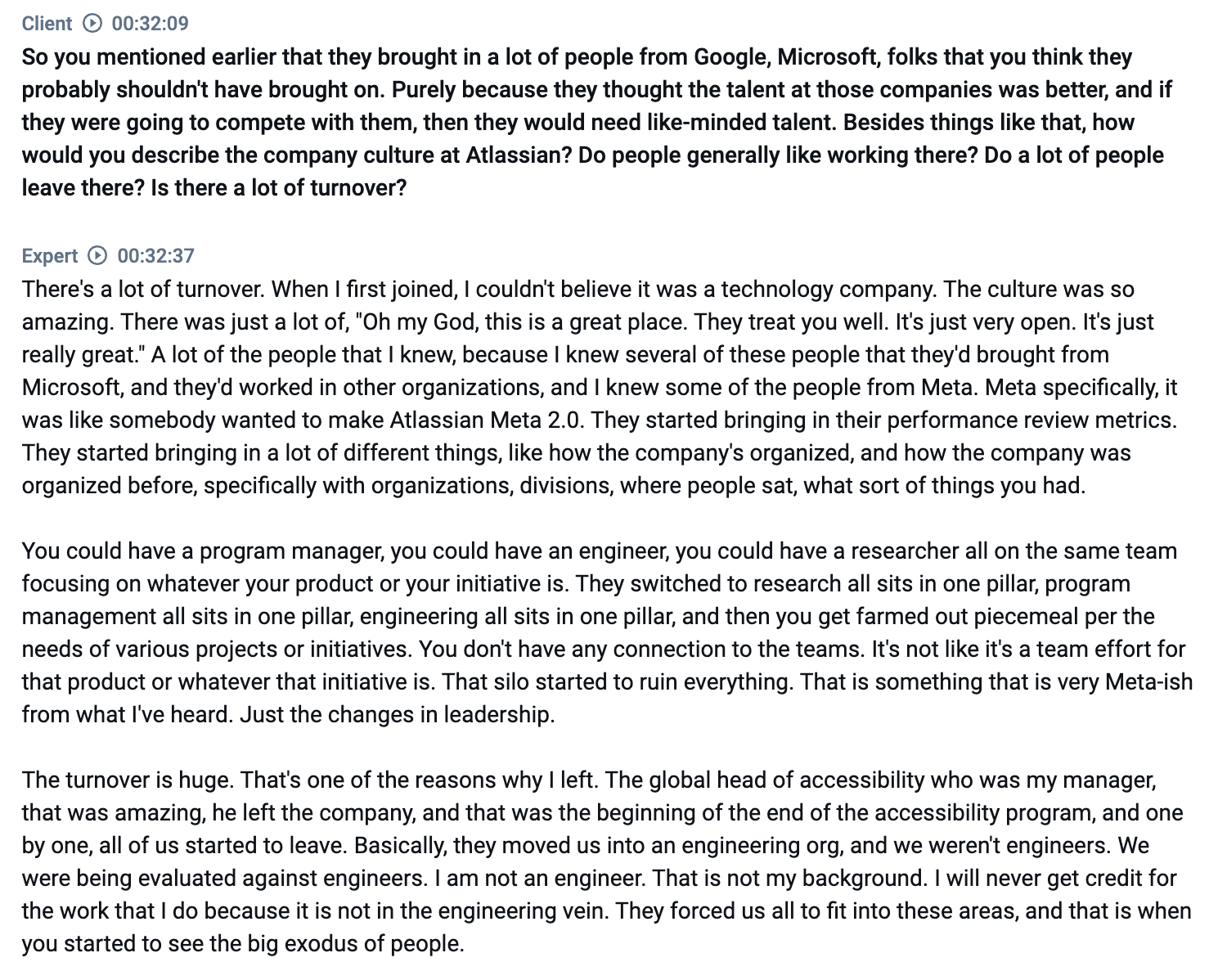
Scuttlebutt from expert call transcripts suggests the product feels stitched together internally, with complaints it isn't being updated well and a lack of clear strategic direction.
It also suggests they made odd hiring decisions, paying up to poach talent from Meta, Google, and Amazon, but getting middle managers rather than top talent, which lines up with stock-based comp rising even as revenue also increased.
An Ugly Income Statement.
Their income statement is one of the more disgusting ones out there.
In 2021, they had $1bn in revenue and about $100mn in GAAP profit.
Fast forward 5 years to today and they are generating $6.2bn in revenue, a huge increase, but instead of operating leverage, they're now losing $230mn a year on a GAAP basis.
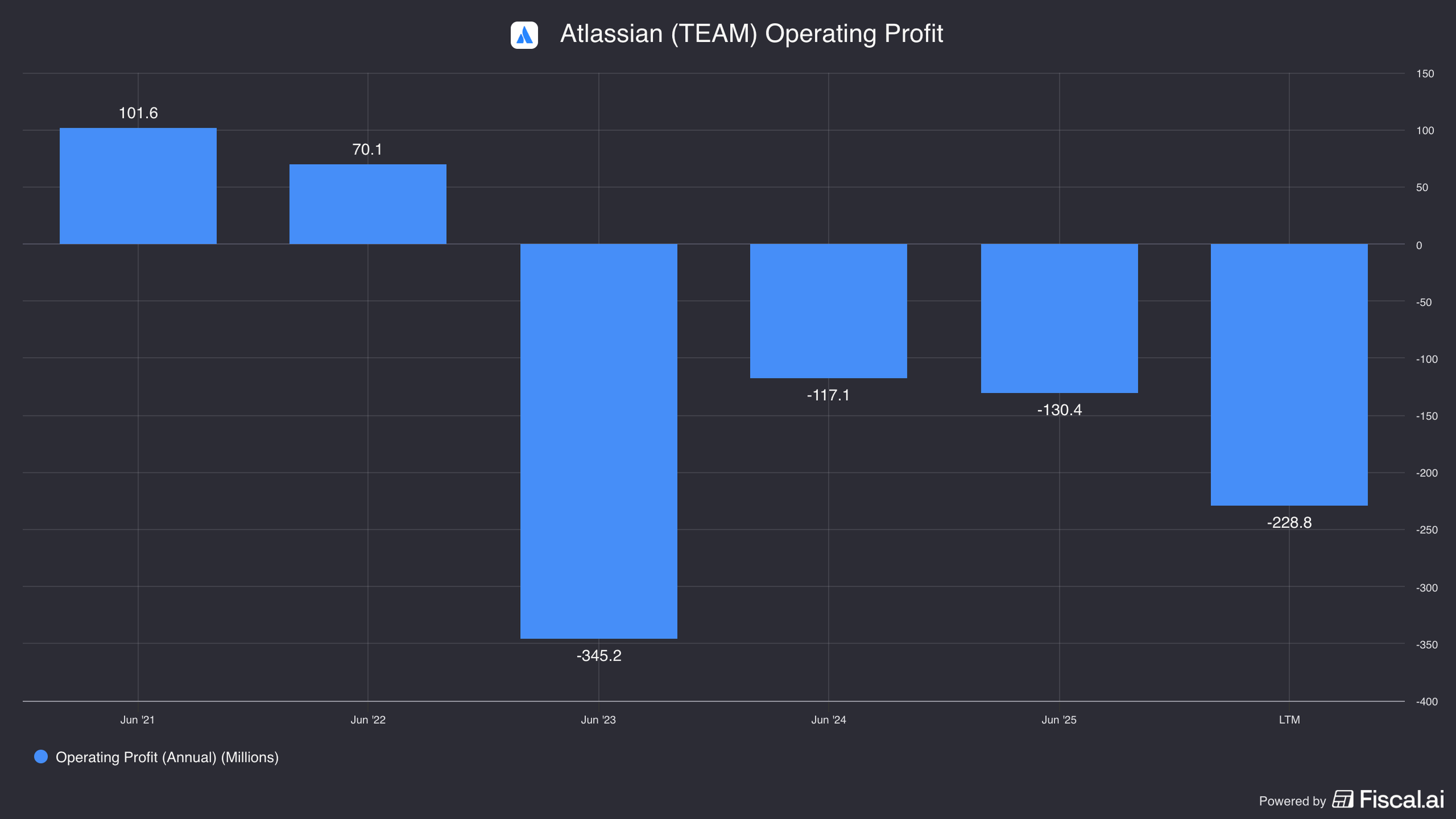
That's an odd way to manage a company at a time when other software companies are getting their stock-based comp under control and showing real GAAP profits, the way Salesforce, long the poster child for egregious stock-based comp, has reversed course to become GAAP profitable.
They spend $2.5bn on acquisitions over the last few years, on top of the R&D spend, an odd combined strategy versus a company like ServiceNow, which does acquisitions but repurposes them back onto its own platform.
One acquisition that made more sense was DX, a developer intelligence platform meant to integrate with Jira and Jira Service Management to help companies figure out the ROI of their AI spend.
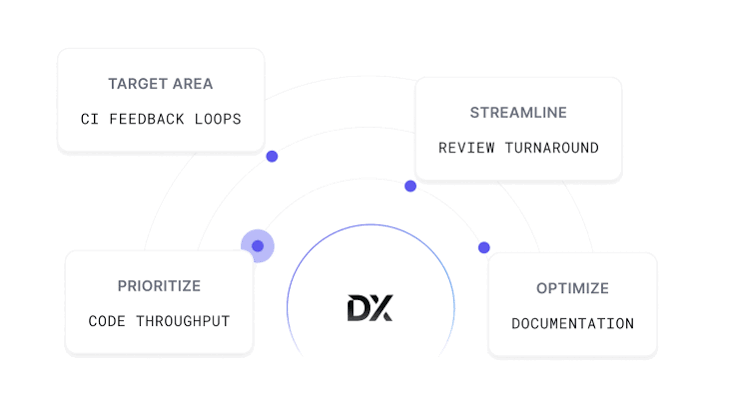
That makes sense as a product, but it doesn't seem like it should be the prime focus right now, versus getting the core product to a place customers love again, especially with a smaller competitor like Linear seemingly much more loved by its customers.
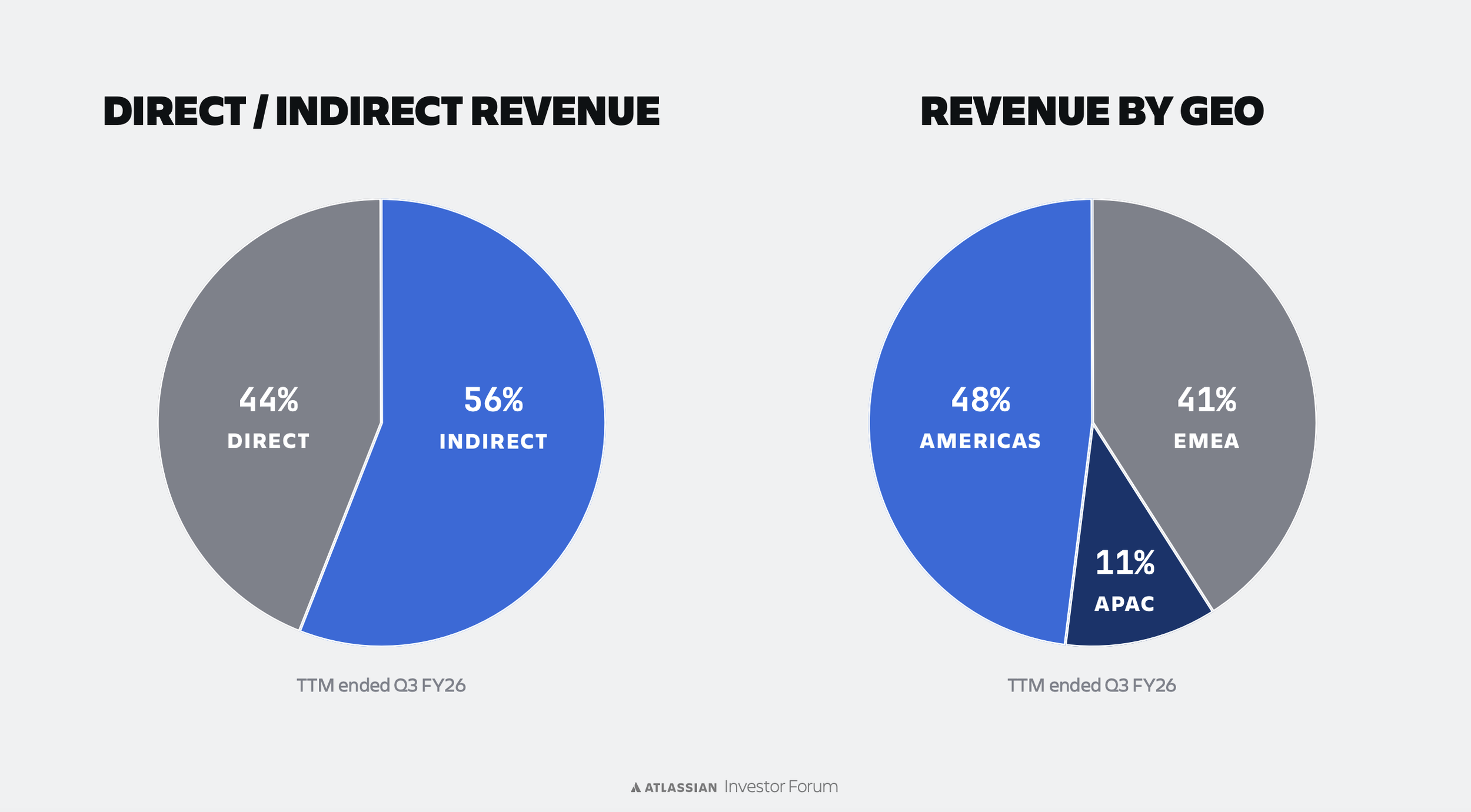
Netting this out, the product should stay sticky, they should keep being able to upsell and hold some pricing power, and about half of revenue is indirect, coming through consultants recommending the product, which will keep running.
But it feels like they're burning through customer goodwill without solving anything new for customers, focused more on business problems like the browser and DX than what customers are actually asking for.
I don't think the company is going to die, but competition is weighing on growth, some of the easier growth levers are gone, and there's a real AI existential risk if workflows move elsewhere, even if it takes a while and doesn't happen to everyone at once.
Valuation.
Ultimately the question is what's priced in, since at a cheap enough price you could accept these risks.
The stock is down over 80% from 2021 highs, 70% from February 2025, at $90 a share and a $23 billion market cap.
With $6.2bn in revenue, that's a little below 4x sales, which would have looked cheap to a software investor a few years ago given their high gross margins, but in this environment we value businesses on earnings and cash flow, of which Atlassian has none, and meaningful profits don't seem imminent.
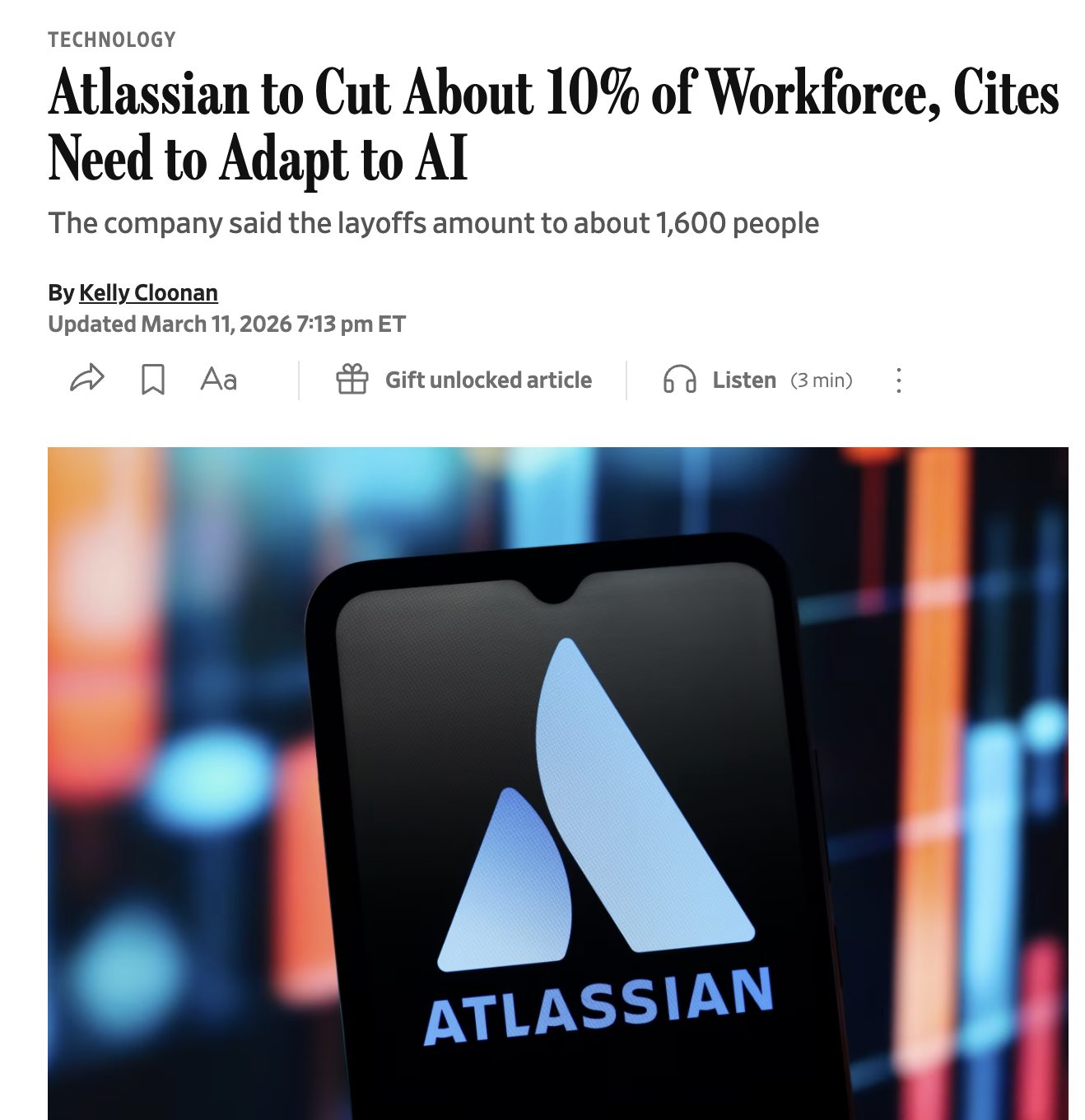
They did announce a layoff of 10% of the engineering workforce and a loose commitment to GAAP profitability, around 4.5%, still not strong, with no long-term GAAP margin targets, unlike ServiceNow, which has given implicit long-term stock-based comp targets.
I want to look at this business on a mature margin basis, assuming they stop growing as much and just do enough to keep existing customers happy.
This matters because when you put a multiple on a company, you're valuing existing cash flows, and if those are depressed by growth investment, you're implicitly assuming that spending continues forever, which isn't realistic, the way even Amazon, once infamous for reinvesting instead of showing profit, now shows strong GAAP profits and free cash flow.
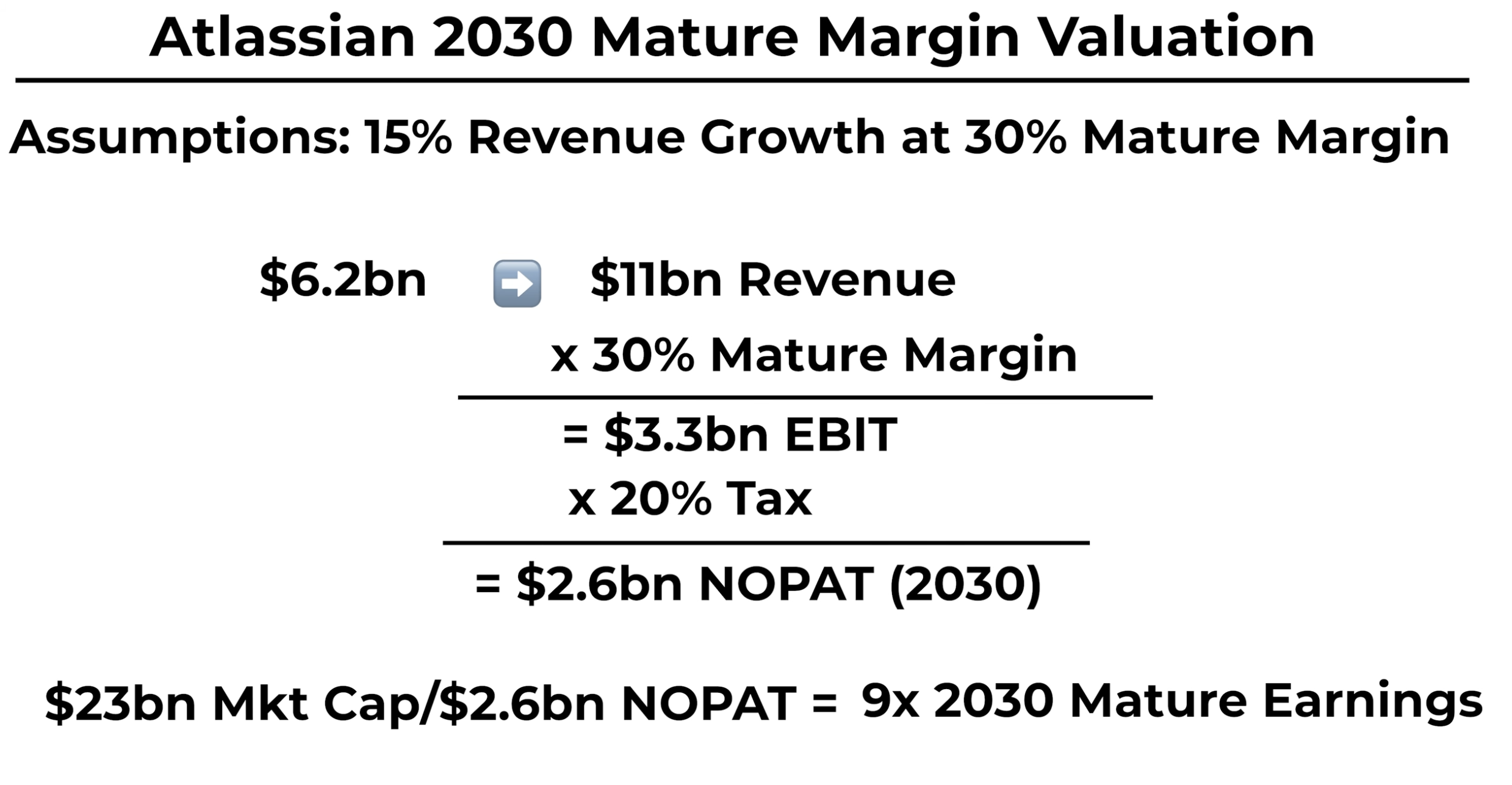
Looking at their P&L, with S&M around 20% and R&D around 50%, there seems to be room to squeeze out a 30% margin if growth slowed to something like 5 to 10%.
If we assume revenue growth of 15% and 30% mature margins, that gets us to $2.6bn in NOPAT, for a 9x 2030 NOPAT multiple.
Then the question is what multiple is fair.
If they're extracting profits at low single digit growth, maybe 15 times is right, which is 66% upside from today.
If they're growing mid to high single digits, maybe 20 times, which is 122% upside.
Higher growth would support a higher multiple still.
This all assumes they still have strong positive growth expected well after 2030, since otherwise you wouldn't put much of a multiple on it at all, the way Adobe trades at just ten times because the market doubts its future growth.
You have to take your own view on whether Atlassian is still a strong growth company by then, or whether competition and AI have pulled the growth levers away, in which case a lower multiple, even ten times, might be more appropriate.
It's also worth noting that even though this 30% mature margin should theoretically be achievable, practically it doesn't seem like they're on that trajectory or focused on it.
And if growth materially slows, there's little downside valuation protection, since they aren't GAAP profitable and continue diluting shareholders with heavy stock-based comp.
That combination could make for a bad outcome.
Ultimately it's up to you to decide what assumptions you're comfortable with, and whether you believe in the management team enough to make that journey.
For more on Atlassian, check out this video below.
Nothing in this newsletter is investment advice nor should be construed as such. Contributors to the newsletter may own securities discussed. Furthermore, accounts contributors advise on may also have positions in companies discussed. Please see our full disclaimers here.
