SpaceX Business Breakdown

Get smarter on investing, business, and personal finance in 5 minutes.
Business Breakdown

Welcome to the fifth edition of Five Minute Money!
The largest private company in the world.
Potentially the first trillion dollar IPO ever.
One of the most complex businesses in the world—it literally is rocket science.
And a company with a ton of potential….
And very little profits to show for it currently….
Is Space going to be every be a real business?
Or just a never ending cash drain.
Love or hate Elon Musk, he has made a lot of investors very wealthy.
And SpaceX could be bigger than Tesla.
But enough conjecture, let us get into the actual business of SpaceX and how they can actually make cash flows for investors
The Background.
Most of us have heard the stories.
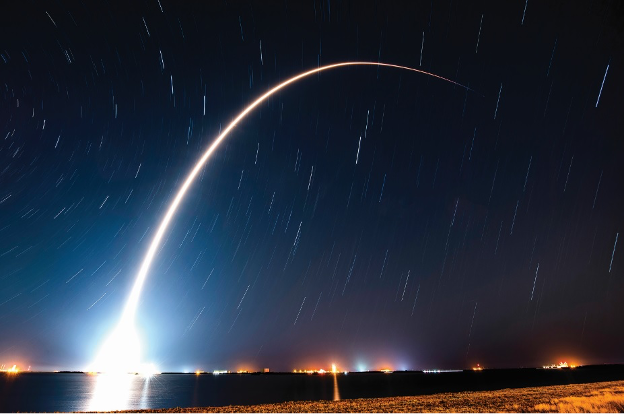
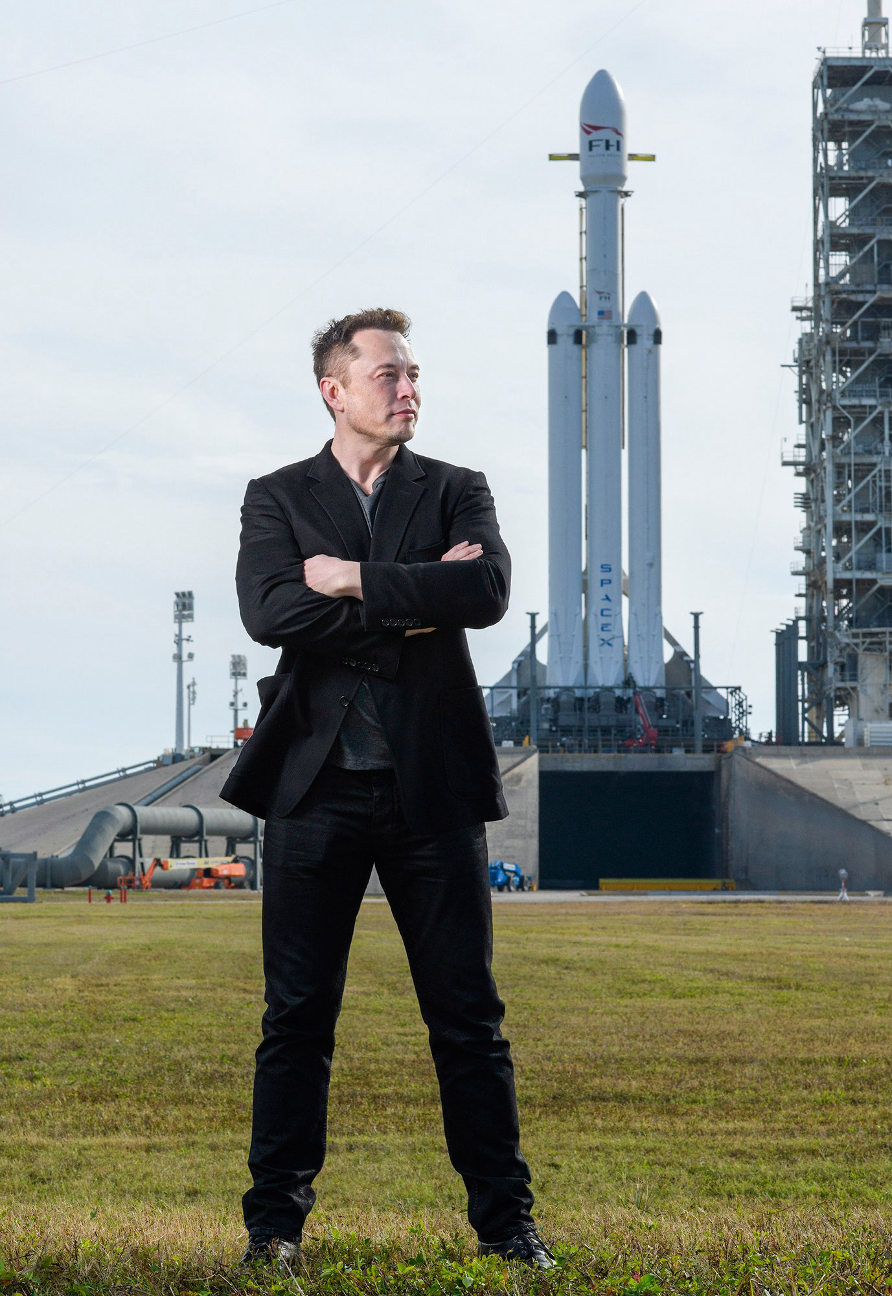
After Elon Musk was literally spat on by a Russian rocket scientist when trying to buy a Russian rocket, he decided to build his own in 2002.
After 3 rocket explosions and 6 years of cash drain that cost Musk $100 million, he had to literally borrow money to pay his rent.
With no runway left, everything was riding on the launch of their fourth rocket.
It was successful. They were the first private company to ever send a rocket into orbit.
And a few months later ,they got a $1.6 billion contract from NASA.
Because of their scrappiness and reengineering a rocket launch from the ground up on a cheap budget, NASA saved at least 50% going with SpaceX, which was especially important for budgets during the financial crisis.
In one example, they reached out to a space vendor for a space-grade radio and were quoted $100k.
Instead, they built one for $5k.
And the biggest cost savings was in their idealism.
Instead of creating rockets that could only be used once, they aimed for the extremely ambitious idea of reusable rockets.
When they were able to achieve it (with many, many, many rocket explosions along the way), they were able to offer launches at a fraction of the cost of competitors or even governments.
All of this makes for a great story. But is it a great business?
The Business.
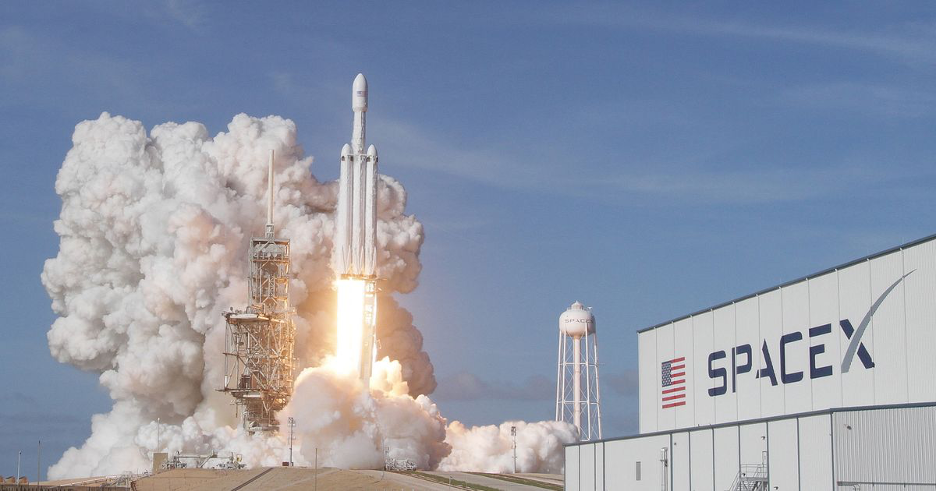
SpaceX has 3 main ways of making money today.
(Caveating a lot of these numbers are best estimates)
1. Launch for Hire
In this business, they are contracted by customers to launch payloads into orbits (usually satellites).
They charge about $70 million per launch. HOWEVER, their cost are estimated at less than $20 million per launch. They can charge such a premium to their cost because they are still the cheapest option available.
In total they are estimated to currently make $3.5 to $4 billion a year off launching rockets for external customers.
2. Starlink
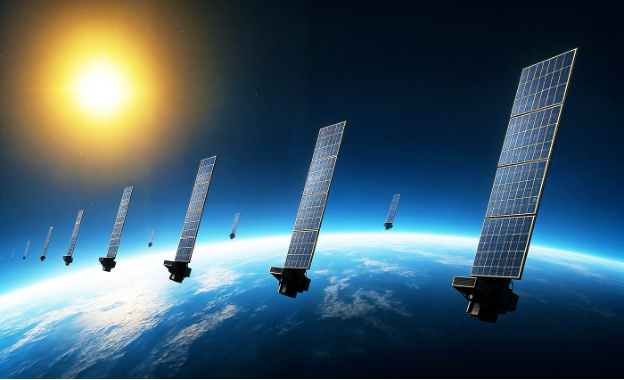
Starlink is their satellite communications network that offers internet to consumers and businesses.
Their satellites last about 5 years and cost about $1 million each. They can carry ~25 of them per launch. That means each satellite cost about $360k a year. With over 9,000 in orbit, that costs them about $3.3 billion a year.
They currently have about 9 million customers that subscribe to the service. Some customers are airlines and cruises that pay more, but the average is around $120/month, which comes out to $13 billion a year.
This is a surprisingly high gross margin of 75%.
3. NASA and Government Contracts
While we don’t know how much revenue is “earned” in a given year here, there are several large contracts we know about.
$5.9 billion contract with the National Security Space Launch Program
$4 billion contract with NASA for the Artemis unmanned and manned missions to the moon
$1.8 billion deal with the US National Reconnaissance Office for a network of spy satellites called “Starshield.”
There are also older contracts that keep getting extended with NASA and a handful of smaller ones.

In total, they are on track for about $18 billion in run-rate revenues.
However, their last private valuation was at $800 billion and they are rumored to want to IPO at $1.5 trillion
That is a whopping 83x sales.
While their engineering feats are no doubt impressive, how can that be justified?
Some Math.
Starlink is the most likely cash generator for them currently.
If they get their planned 42k satellites in orbit, they could support over 150mn home internet connections.
They could also have a new business connecting mobile phones directly to satellites (they could contract with the big telecom carriers to as “insurance coverage” for dead zones or go direct). They could theoretically support over a billion mobile devices.
Throwing some numbers out there, this could be a $200 billion a year business.
150mn houses at $50 a month and 1 billion phones at $10 a month. (The price is lower because it would be for gap coverage and possible charged to the carrier).

The launch business (which would be harder to scale up), could generate similar revenues if we want to be (very) optimistic.
That ultimately would depend on how big the “Space Economy” gets.
Getting (Even More) Scifi.
Space Mining.
Space Data Centers.
Space Manufacturing.
Space Colonies.
Space Travel.
Earth travel (through space). Think a 30 minute trip from Tokyo to New York City.
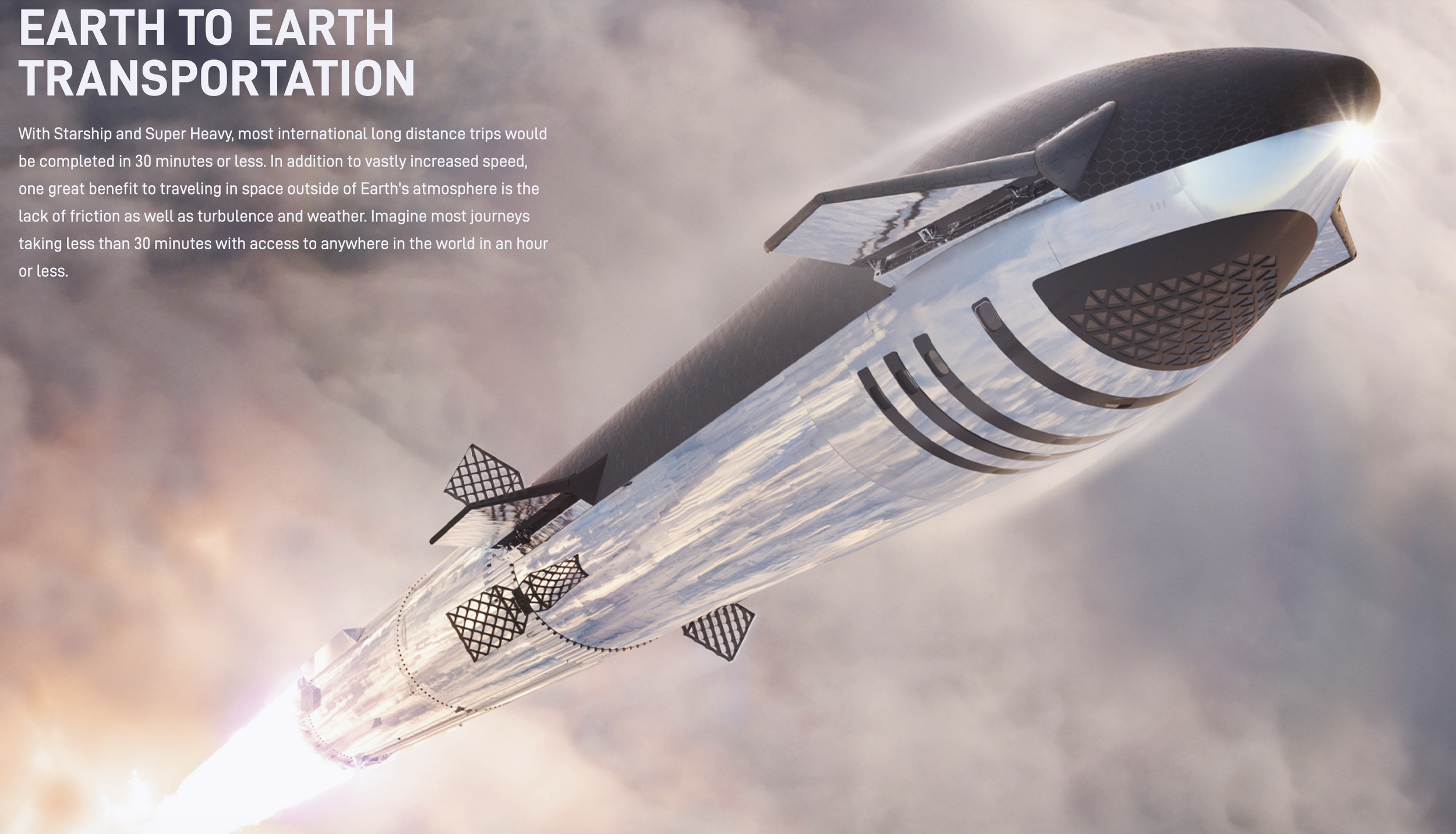
All of these may seem very fanciful, but there are already efforts to do much of this today.
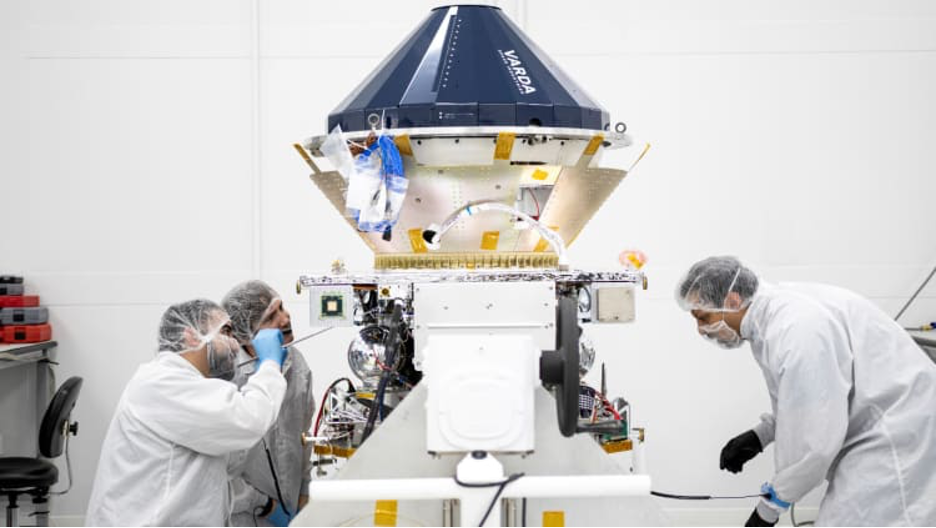
A company called Varda Space Industries is currently testing pharmaceutical manufacturing in space.
Rationale: space’s lack of gravity allows them to make compounds that you can’t on Earth.
Astroforge is currently launching craft to reach metal rich asteroids to mine them and send the materials back to Earth.
Rationale: A single asteroid can carry billions of dollars of precious metals.

Nvidia and Google are backing projects to launch data centers in space
Rationale: the sun provides nonstop energy and there are no regulations. The big issue is figure out cooling though. Yes, space is cold, but it is also a vacuum, so there is no medium to carry the heat. There are some potential solution,s though and figuring this out would be a much more resource-efficient data center since it wouldn’t use water.
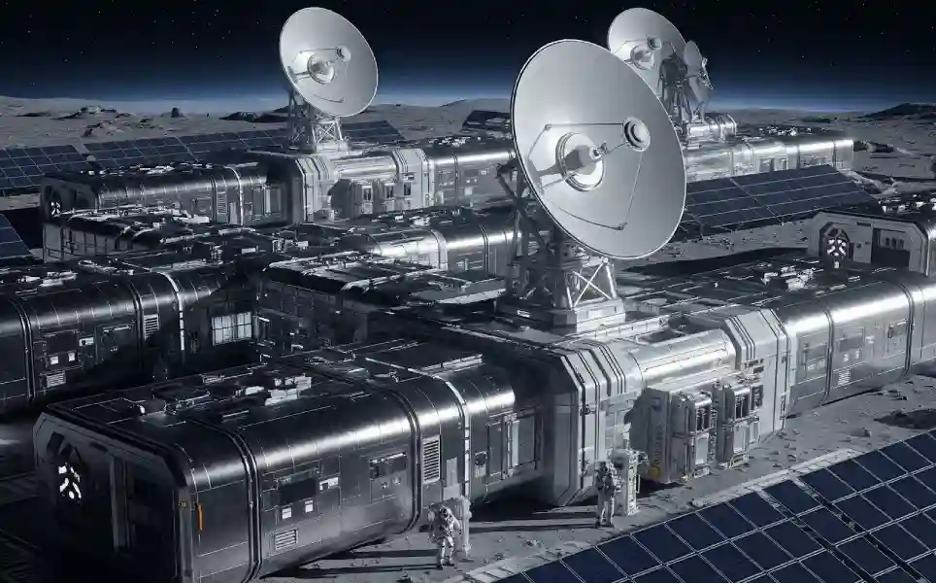
SpaceX themselves has a space data center project called “Project Heart of the Galaxy: to launch data centers in space and is going to have Musk’s xAI be a first customer.
Then of course is there efforts to build bases on the moon and ultimately Mars.
Ultimately, SpaceX wants to become Space Infrastructure for an entire space economy.
Sounds great if not fanciful. But what about that pesky thing that tends to happen when you have a good idea…
Competition.
While SpaceX has a large lead with 80% market share of the launch market, competitors have taken note of their success.
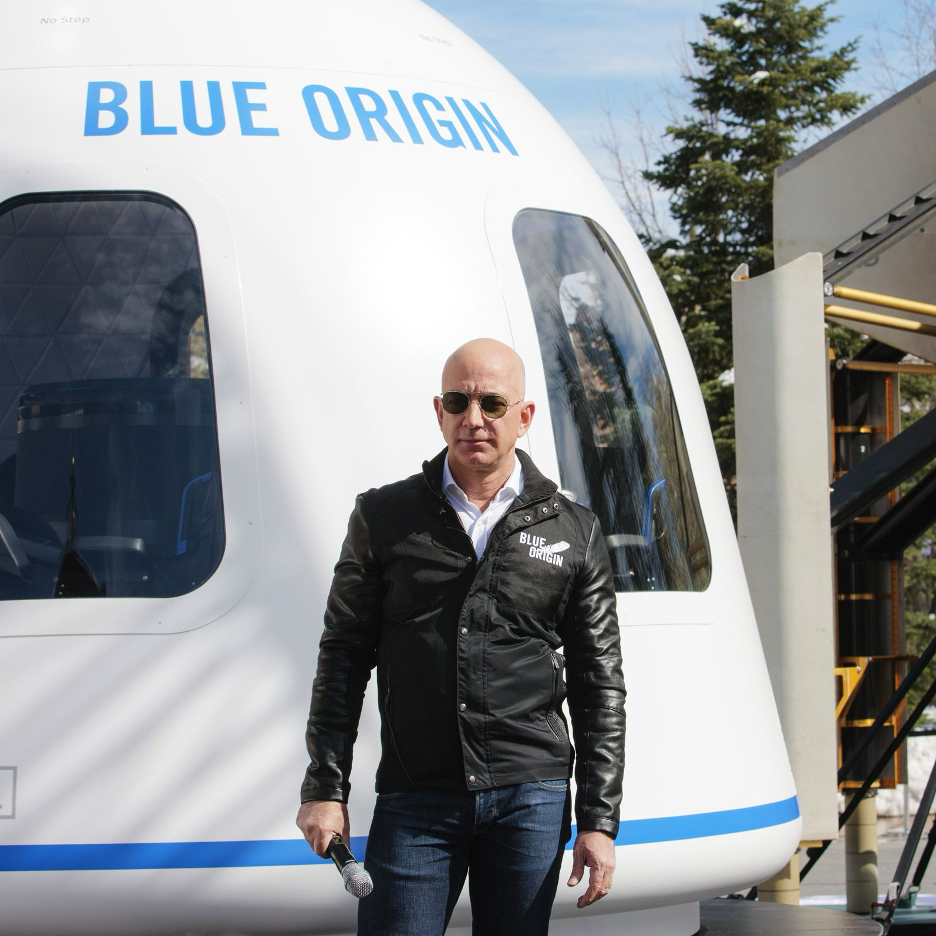
Jeff Bezos’s Blue Origin has already had success with relaunchable rockets and with Amazon is rolling out Project Kuiper to host 3,200 satellites in low earth orbit.
Rocket Lab is a $40 billion public company that is already launching rockets twice a month.
China also has several start-ups that are trying to clone SpaceX.
And there are still legacy players that are spending prodigiously to catch up.
And no doubt once there is proven to be more economic viability of “space” more competitors will pop up.
Tesla proved the market for EVs, but BYD now makes 50% more cars then them a year now.
Although, it doesn’t need to be a winner takes all market in order for SpaceX to win.
And despite what you think of Elon Musk and his management styles, he has been able to accomplish already what many have thought impossible.
And given how technically complicated this field is, plus their lead and attraction of top talent, it isn’t impossible that there only a handful of players and SpaceX remains the biggest.
Final Thoughts.
Even if all of this ends up happening, it could cost way more than expected and on a much longer timeline than appreciated.
And at a potential $1.5 trillion valuation, a lot of optimism is already priced in.
At a 1.5 trillion valuation, an investor would probably want at least a 5x return in a decade given the risk (17% compounded return).
That means in 10 years they need to be worth $7.5 trillion.
In order to support that valuation, let’s say they would need $250 billion in profits.
This assumes a 30x, which may not be high enough if you are uber bullish on the Space economy, but I think it’s fair.
It is hard to know how profitable they would be at maturity, but the gross margin leverage they have already exhibited on existing launches and Starlink is pretty strong.
Of course, competition could eventually weigh on pricing.
If you are willing to assume they will be able to achieve half of their ambitions with Starlink, a 25-40% mature margin seems plausible.
Taking the midpoint, that is $770 billion in revenues, they need to support that valuation.
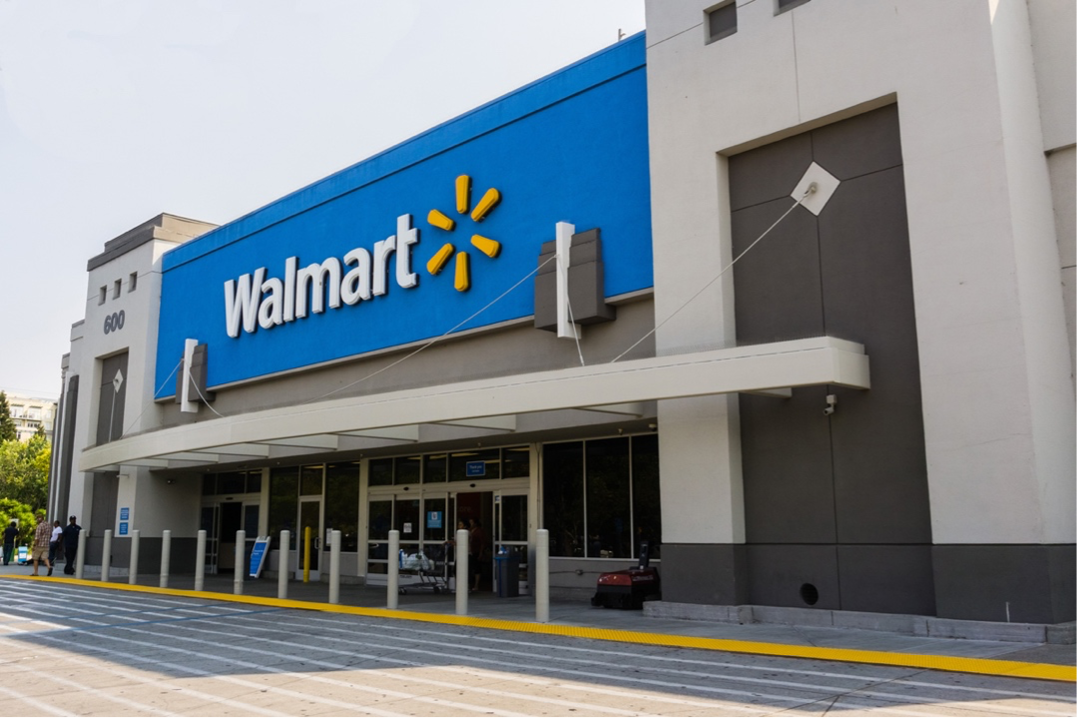
It sounds like a lot, but someone very bullish on Space might note that that is just a bit more than Walmart does today. And certainly “Space” is going to be bigger than a retailer, right?
That is not for me to decide for you…
But it is no easy feat growing revenues at 140% a year for a decade.
And in fact, no business has ever grown that quickly after surpassing a billion in revenues.
Can Musk do the impossible again?
For more details, check out this video below, where I expand on the opportunities and risks for SpaceX here.
YouTube FAQ
What is the right discount rate to use?
My short answer is whatever return you want for the risk you see inherent in the investment. For a riskier investment, you should increase the return you demand. For something safer, you can accept a lower return.
There is no real formula though, and this is where judgment comes in.
I picked that number because there is a good amount of risk in this investment (implies 20% IRR which would be a pretty high equity risk premium vs treasuries at 4%)
Ultimately, whatever you pick, it should be high enough that if you have a portfolio of stocks and some go against you, overall your return is still satisfactory
Is it possible to buy SpaceX shares?
The short answer, no. Google does have about a 10% stake in them though so you can get some indirect exposure that way.
Otherwise, you have to buy private shares from existing investors, which is expensive.
Nothing in this newsletter is investment advice nor should be construed as such. Contributors to the newsletter may own securities discussed. Furthermore, accounts contributors advise on may also have positions in companies discussed. Please see our full disclaimers here.