Retailer Case Study: Zara & Shein

Get smarter on investing, business, and personal finance in 5 minutes.
One of the hardest businesses in the world is a clothing retailer.
They go bankrupt so often there’s industry lingo for it.
“Chapter 22” — a retailer that goes through Chapter 11… twice.
So the question is:
Why are traditional apparel retailers so fragile…
…and how did Zara build a $200 billion business with software-like margins?
And how did Shein take the same idea and push it even further?
Let’s break it down 👇
The Traditional Retailer Model
A traditional apparel retailer sells clothes.
Mostly through physical stores.
They design a seasonal assortment.
They place orders with manufacturers.
The inventory shows up months later.
Then they distribute it across stores and hope people buy it.
That’s the model most mall brands follow.
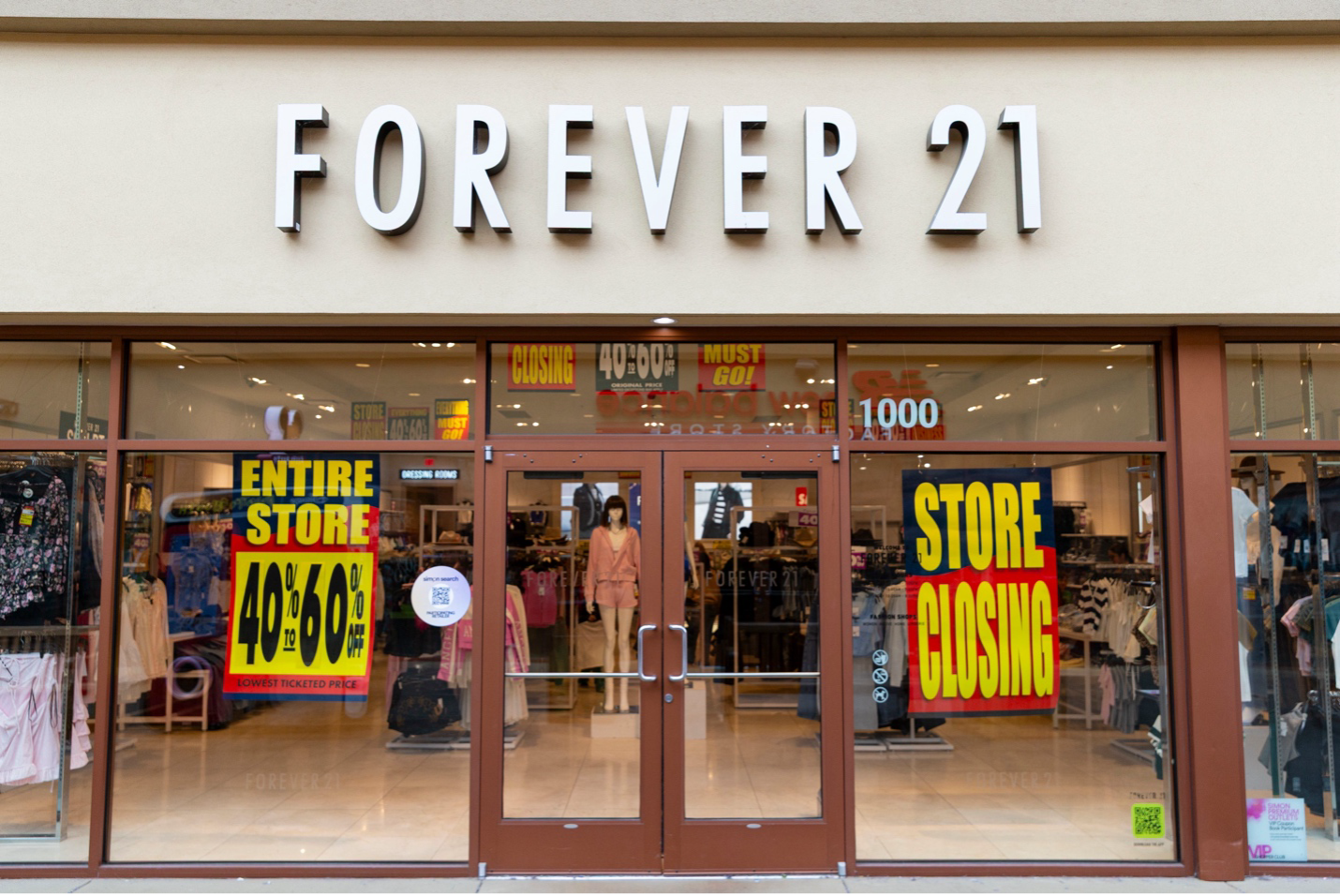
Gap.
Old Navy.
Forever 21.
And a long list of brands that don’t exist anymore.
Why Traditional Retail Fails
The core problem in traditional apparel retail is buying inventory.
And it comes from one fact:
You must buy inventory, before you know if it will sell.
In fact, the only way a retailer can know if something is popular… is after it sells.
But they can’t know if it will sell before they buy the inventory.
And hence they have a real problem.
The key business activity they must get right is simple:
Guess demand accurately.
In practice though, that is near impossible.
Because consumers are fickle.
Trends change fast.
And you can’t see what competitors are releasing until after the fact.
They are basically driving blind hoping the car gets to the right place.
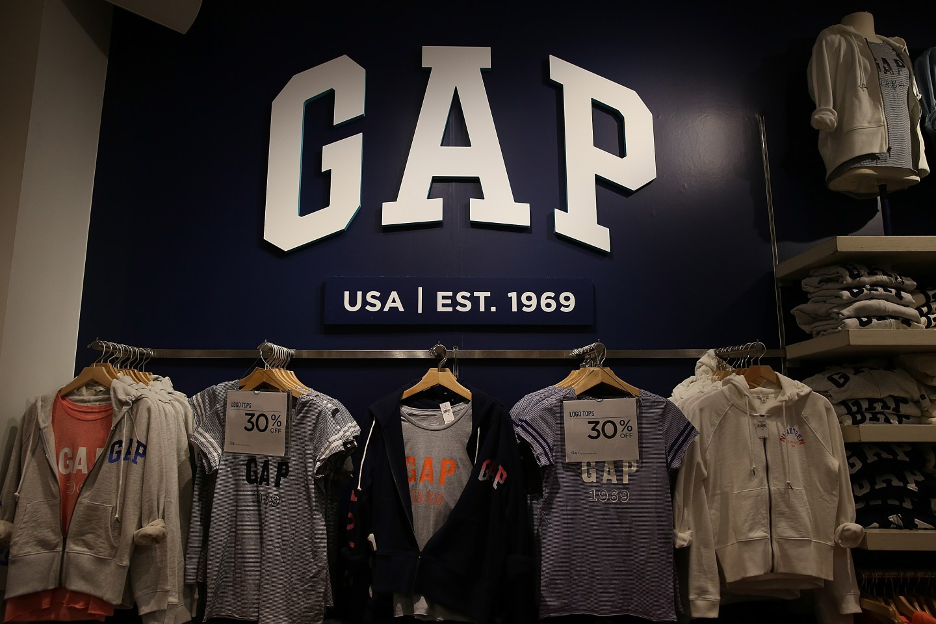
Here’s what happens in practice:
You order a season’s worth of styles 3–6 months ahead of time
You coordinate overseas manufacturing, sampling, revisions
You place a massive order (often hundreds of thousands of units)
You distribute inventory across stores
You hope you guessed the right styles, colors, and sizes
And if you guessed wrong…
You’re stuck with a new set of problems.
Because unsold inventory isn’t neutral.
It takes up selling space.
It ties up cash.
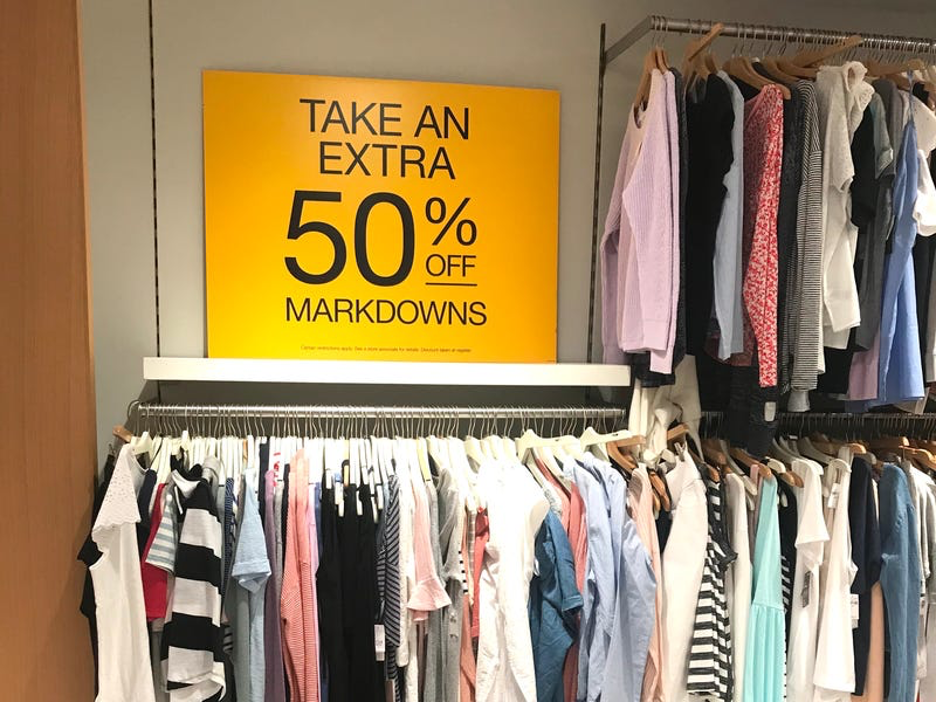
And it forces you to discount.
Discounting feels like a solution.
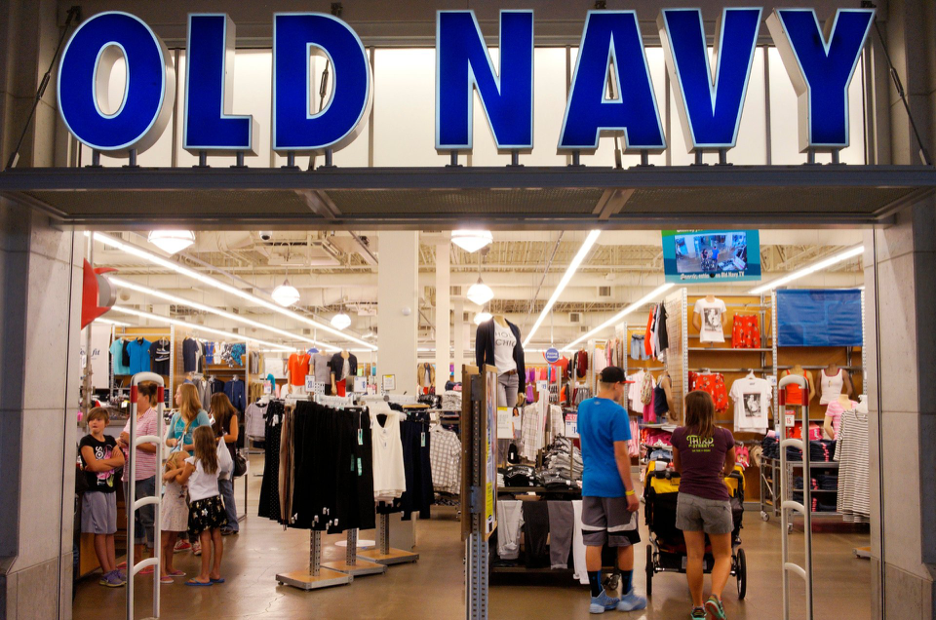
But it’s also a trap.
When you discount, you don’t just lower price.
You train customer behavior.
You tell customers:
“Wait. This will be cheaper later.”
And once customers learn that…
They defer purchases.
And when purchases get deferred, two bad things happen:
Some purchases never happen
The ones that do happen, happen at lower margins
TLDR: Discounting clears inventory today, but it can steal demand tomorrow.
That’s why the model is so fragile.
If you could redesign this model…
You’d try to do one thing:
Stop betting big before you have information.
Because the only real signal in retail is a sale.
A customer either buys it…
…or they don’t.
So the opportunity is:
• Shorten lead times so you can produce what is already popular
• Test with smaller batches so you have less capital tied up
• Gather information from sales and redirect resources
• Scale only what works.
• And avoid needing to be put in the position where you have to discount.
That’s the system Zara built.
And it’s what Shein later reiterated on.
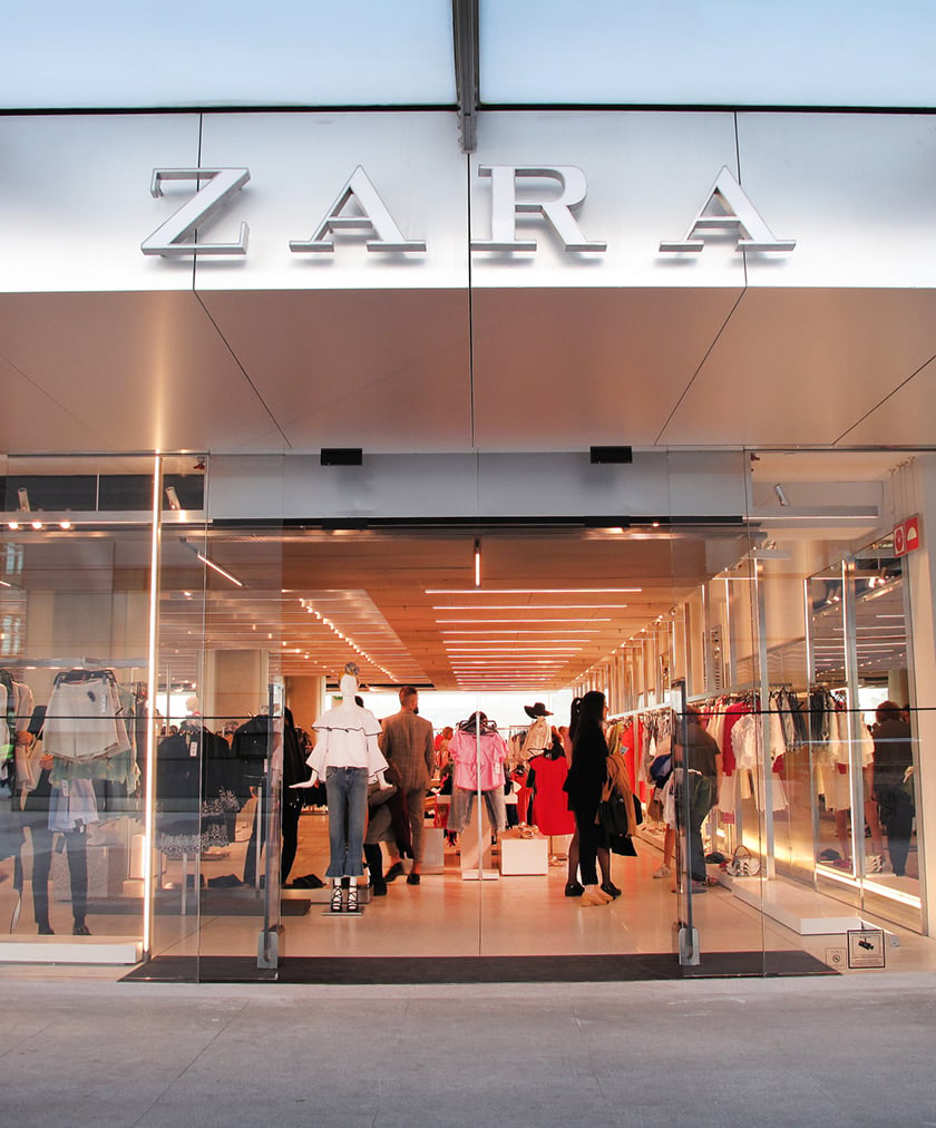
How Zara Rebuilt Retail
Amancio Ortega (Zara’s founder) basically said:
A 3–6 month lead time is unacceptable.
You cannot guess that far ahead and hope.
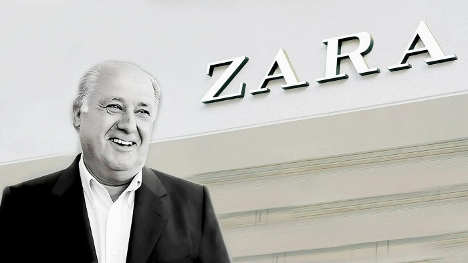
So Zara rebuilt the operating system.
Not by making better fashion calls…
…but by making the company faster.
The key change was vertical integration.
Design and manufacturing are close together.
More in-house production.
Less back-and-forth with overseas suppliers.
That shrinks lead times to 2–4 weeks.
And once lead times shrink, everything downstream changes.
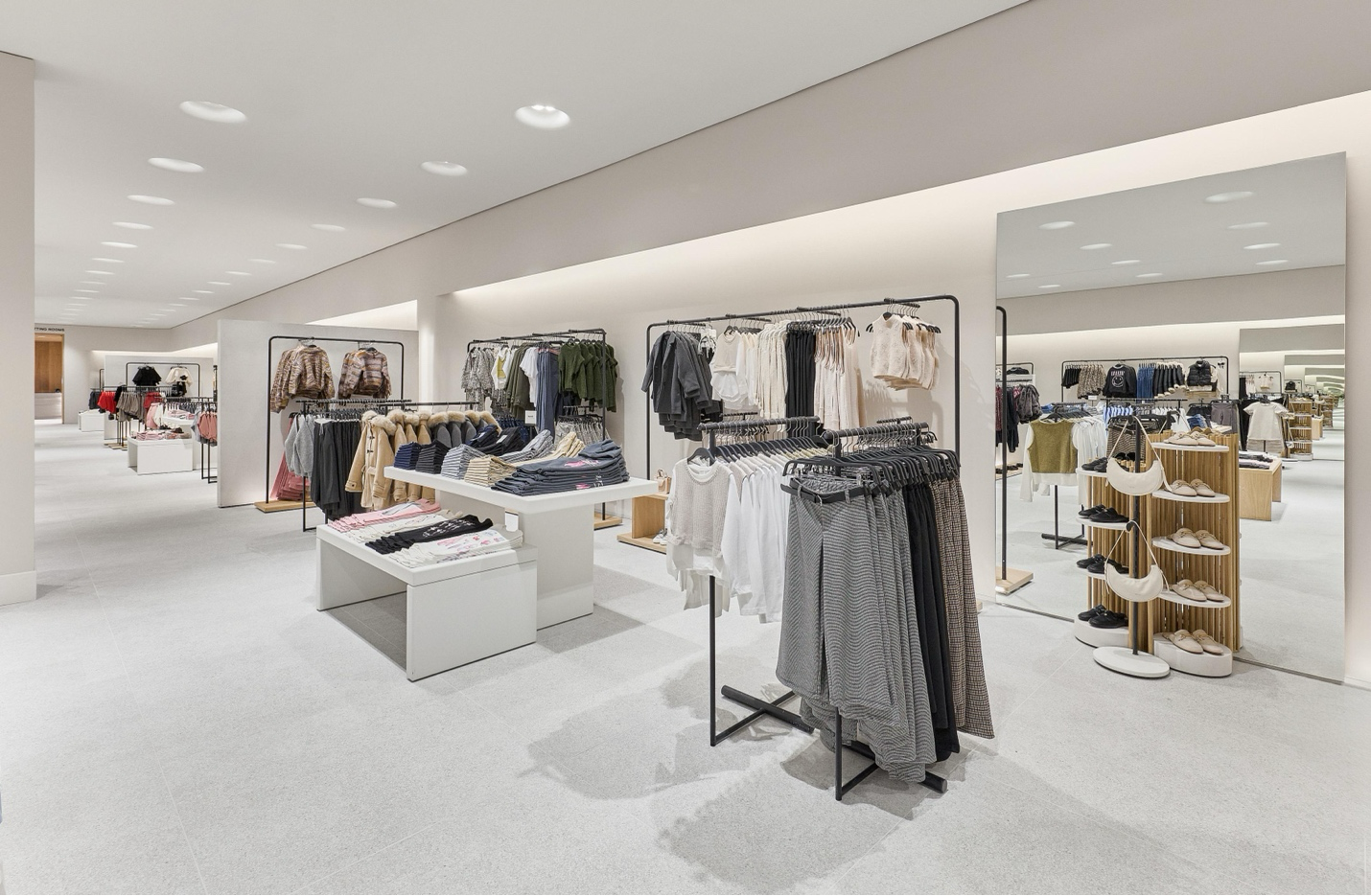
Why This Model Works
Smaller Orders, Greater Feedback Loop
Unlike traditional retailers, they don’t “go all in” on a design upfront.
They place smaller initial orders.
Let the store test it.
Then reorder winners quickly.
That means misses are smaller.
Copying Reduces Risk
Yes, Zara copies others and it’s controversial.
But strategically, it reduces uncertainty.
They’re not trying to invent what people want.
They’re reacting to what’s already working elsewhere.
It’s less “prediction” and more “rapid response.”
Could that change someday? Sure.
But as a system, it increases hit rate.
Capital Efficiency Improves
Fast turnover creates scarcity.
With traditional retailers, customers think:
“I’ll wait for a sale.”
With Zara, customers think:
“If I don’t buy it now, it’ll be gone.”
That behavior shift is huge.
This leads to inventory turns of 4x, doubled that of traditional retailers.
And it’s not about guessing demand better.
It’s about not needing to guess because they get better information sooner.
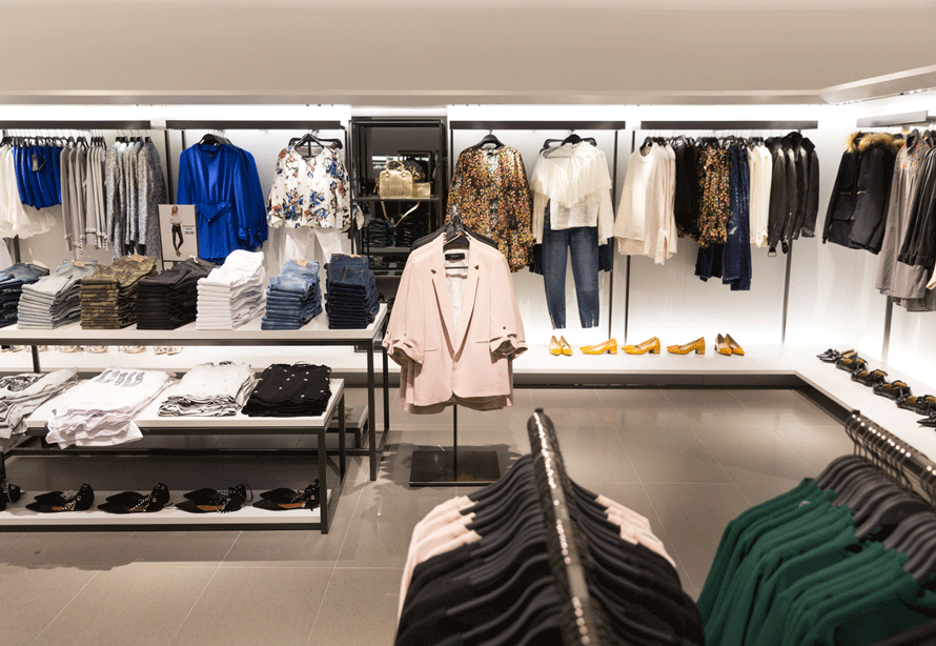
The Shein Step-Change
Shein took the Zara idea and went a step further.
Zara might have thousands of units behind a SKU.
Shein might have ~100.
It’s like TikTok for fashion.
Test to a small audience.
If it works, order more.
If it doesn’t, it disappears.

That model only works because Shein is:
Online-first (unlimited shelf space)
Extremely close to manufacturers
Running massive experimentation across SKUs
They’re estimated to list 300,000+ SKUs.
That’s impossible in physical retail.
Influencers can search the massive catalogue and post about any design they like.
Instead of Shein producing inventory ahead of time, they can wait for the orders to start to come in…
Then go to the manufacturer to scale up production.
Also, since Shein ships from warehouses, not stores, they save on retail space.
And since it is an online purchase, usually done compulsively, consumers don’t mind waiting 1-2 weeks.
All of this drives their inventory turns to an estimated 8–12x.
That’s the punchline.
The best fashion retailer is one that doesn’t actually have any idea what their customers want.
Why don’t incumbents copy this?
This is where the “Piton Network” framework comes in.
For the record, I hate the name, but love the metaphor.
The idea is that a decision that can enable part of a business, can limit it in respect to a different aspect.
Just think of the definition of what a Piton is:
A mountain climbing tool, a metal spike that is driven into the side of a mountain to act as an anchor. A climber will place a Piton into the mountain in order to continue to climb up; however, placing a Piton also restricts potential upward movement.

Businesses make early decisions that become constraints—or Pitons.
A mall retailer has:
a physical store footprint
a brand promise and existing customer expectations
a legacy sourcing and planning process
teams built around that process
To copy Zara/Shein, they’d have to unwind a lot of what they are.
They’d have to “pull out Pitons” so to speak, which could lead to them falling.
Because you’re not just changing tactics.
You’re changing what you are optimizing your entire business for.
So most incumbents don’t “pivot.”
They optimize the old system.
And that seldom is enough.

Closing Thoughts
Traditional apparel retail is hard because it requires a crystal ball.
Long lead times force big bets.
Big bets create excess inventory.
Excess inventory forces discounting.
Discounting trains customers to wait.
And that erodes the whole model.
Zara won by shortening feedback loops.
Shein won by making the whole thing programmable.
The lesson isn’t “fast fashion is good.”
It’s simpler:
The best businesses don’t predict demand. They design systems that learn demand quickly.
It is not about answering the question of what demand is going to be,
It is about not needing to in the first place.
For more on how Zara and Shein disrupted the clothing retail industry, check out this video below
Nothing in this newsletter is investment advice nor should be construed as such. Contributors to the newsletter may own securities discussed. Furthermore, accounts contributors advise on may also have positions in companies discussed. Please see our full disclaimers here.
